English
한국어
English
Español
中文
हिंदी
Home
News
Community
Dictionary
English
한국어
English
Español
中文
हिंदी
View list
Jinpeorisae
Molinia japonica
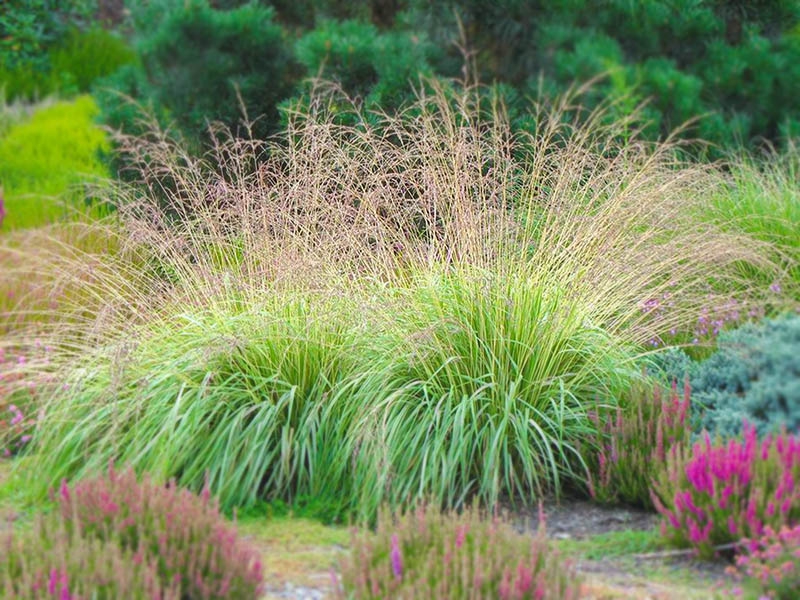
Molinia japonica is a perennial grass native to East Asia, including Korea and Japan. The following describes the growth characteristics, propagation methods, cultivation methods, garden uses, major pests, and control methods of Molinia japonica. Growth Characteristics - Growing Environment: It prefers moist soil and partial shade, and is relatively resistant to cold. - Height: It typically grows from 30 cm to 1 m, although flower stalks can grow even taller. - Leaves: It has slender, long leaves that turn a beautiful golden color in autumn, giving it high ornamental value. Propagation Methods - Seed Propagation: Mature seeds can be harvested and sown in early spring. - Division Propagation: Propagating by dividing the roots in spring or autumn is an effective method. Cultivation Methods - Soil: It prefers well-drained soil rich in organic matter. - Water Management: Continuous watering is required, and care must be taken to prevent the roots from drying out. - Fertilizer: Providing an appropriate amount of slow-release fertilizer in spring and early summer promotes growth. Uses in the Garden - Due to its beautiful leaves and inflorescences, Japsae japonica is used as a decorative element in the garden. - It is suitable for waterside or wetland gardens and is effective for creating a natural garden landscape. Important Pests and Control Methods - Diseases: While generally resistant to diseases, root rot may occur if the soil becomes excessively wet. Proper watering is necessary to prevent this. - Pests: While specific pest damage is rare, mites may appear if excessive moisture persists. Control them using appropriate insecticides if necessary. Based on the information above, you can grow Japsae japonica healthily and utilize it for various garden purposes.
Plant Family
Poaceae
Height
30∼110cm
Colors
Green, brown
Bloom Period
June to August
Water Needs
commonly
Exposure
Sunny
Freezing Resistance
-20°C
dog flea
Moehringia lateriflora
Molinia cairulea subsp. arundinachea
Molinia caerulea
subsp.
arundinacea