English
한국어
English
Español
中文
हिंदी
Home
News
Community
Dictionary
English
한국어
English
Español
中文
हिंदी
View list
Single-flowered deer's foot
Moneses uniflora
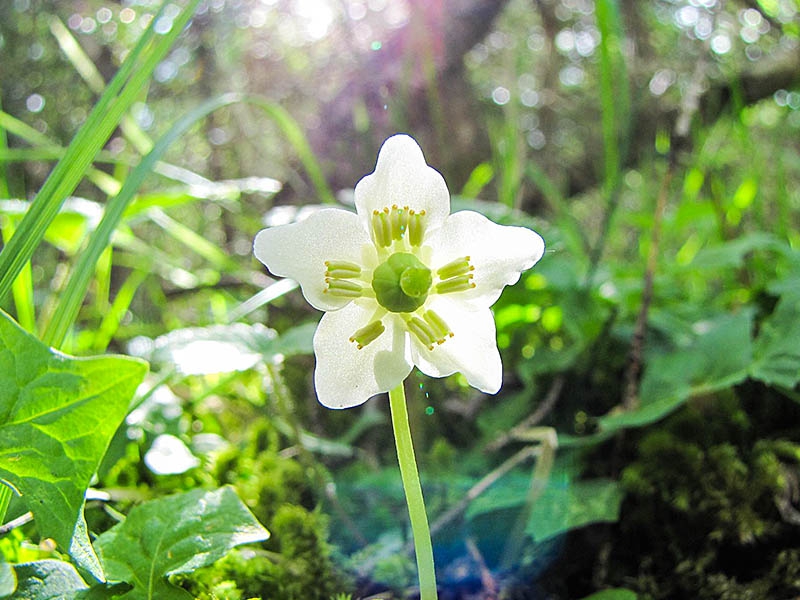
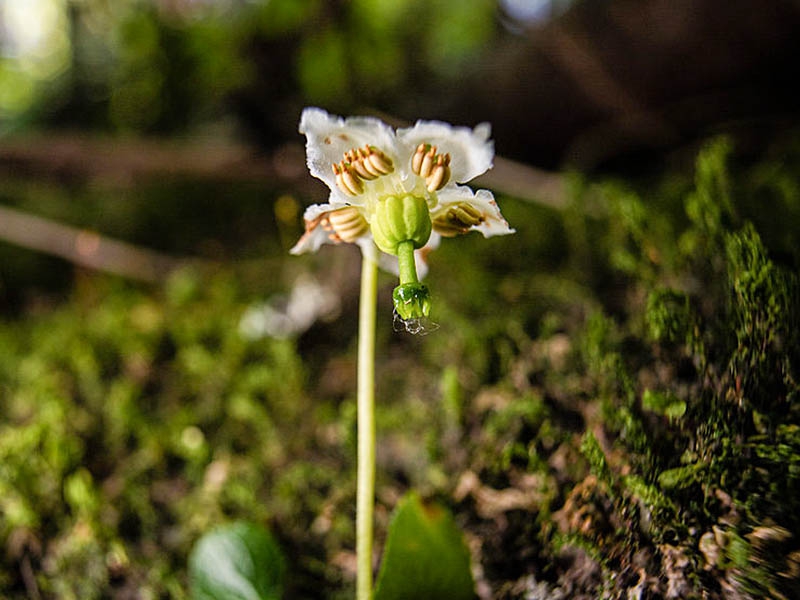
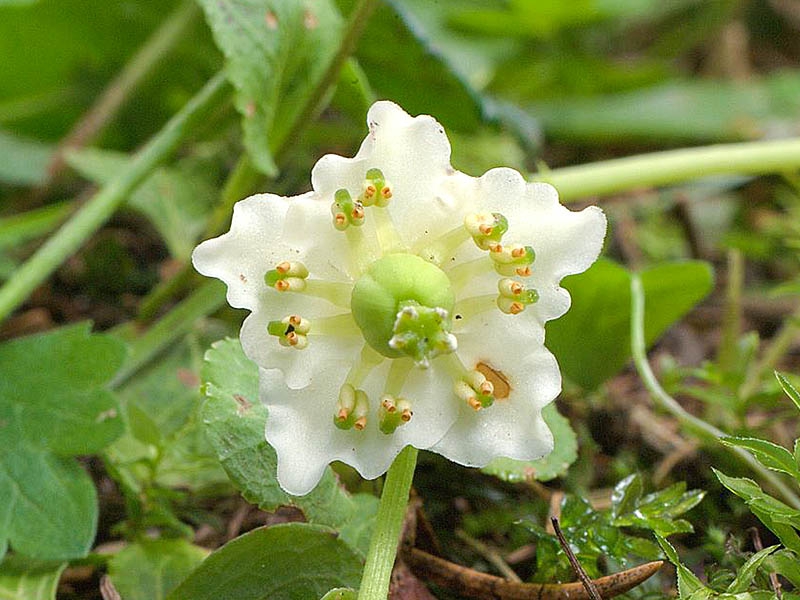
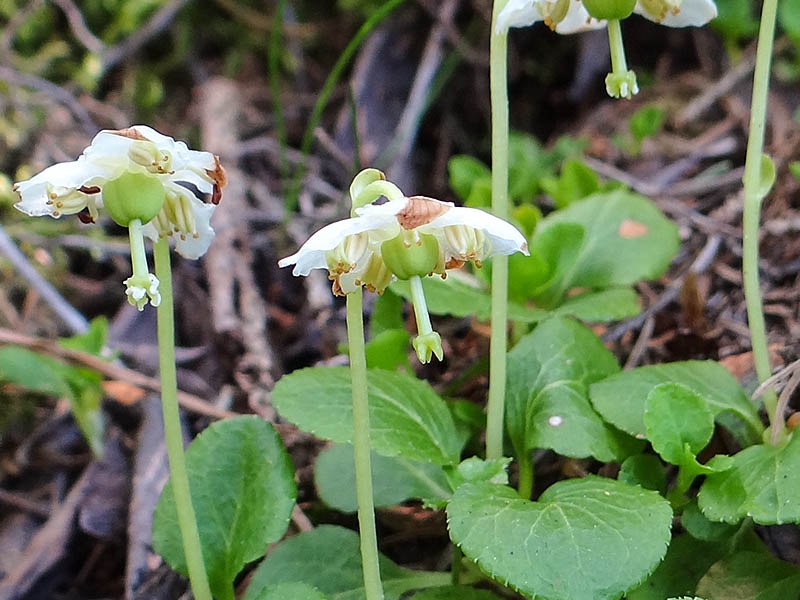
Growth Characteristics Moneses uniflora is a perennial herbaceous plant distributed in the temperate and cold regions of the Northern Hemisphere. It is primarily found in shady areas within forests and prefers acidic soil. The leaves are arranged radially in a rosette form, and flowers bloom individually, mainly during the summer. The white flowers are small, with a diameter of approximately 2–3 cm, and have a slight fragrance. Propagation Methods Moneses uniflora is mainly propagated by seeds and division. Seed propagation occurs naturally, while division is performed in late autumn or early spring. When dividing, cut the root portion and plant it in a new location. Cultivation Methods - Soil: It thrives in acidic, well-drained soil. Add compost as needed to supplement nutrients. - Location: It prefers partial shade, but it is acceptable to receive sunlight as long as the direct sunlight is not strong. - Watering: Water consistently to prevent the soil from drying out. However, overwatering should be avoided. 4. Temperature: It is resistant to cold climates, but it is advisable to provide some shade during very hot summers. Uses in the GardenSingle-flowered Deer's Foot is useful for creating a natural atmosphere when planted in forest gardens or shaded flowerbeds. It harmonizes well with small flowering plants or other shade-loving plants, allowing for diverse arrangements. Important Pests and Control MethodsSingle-flowered Deer's Foot is relatively resistant to pests and diseases, but mold may occur in humid environments. In such cases, it is important to improve ventilation and maintain appropriate spacing. Fungicides may be used as needed, and it is recommended to remove any pests or diseases immediately if they appear. Regular observation and care can help reduce the occurrence of pests and diseases.
Plant Family
deer's foot family
Height
10cm
Colors
white
Bloom Period
July
Water Needs
commonly
Exposure
semi-shaded area
Freezing Resistance
-40°C
Monardella Odoratissima
Monardella odoratissima
Moniraria moniliformis
Monilaria moniliformis