English
한국어
English
Español
中文
हिंदी
Home
News
Community
Dictionary
English
한국어
English
Español
中文
हिंदी
View list
slender water hyacinth
Monochoria vaginalis
var.
angustifolia
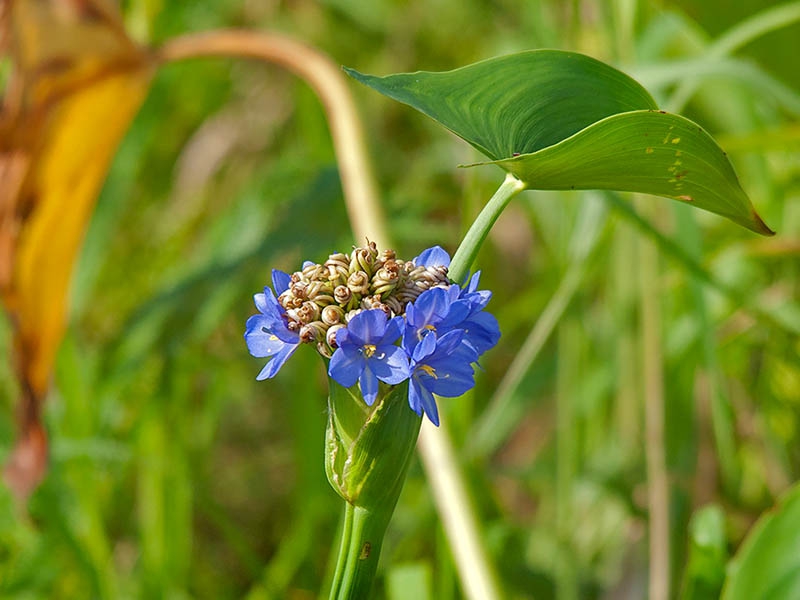
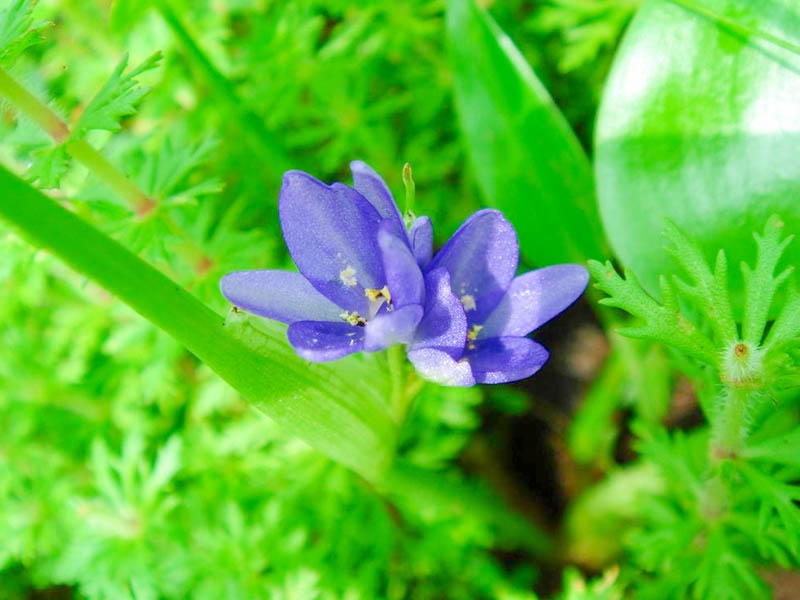
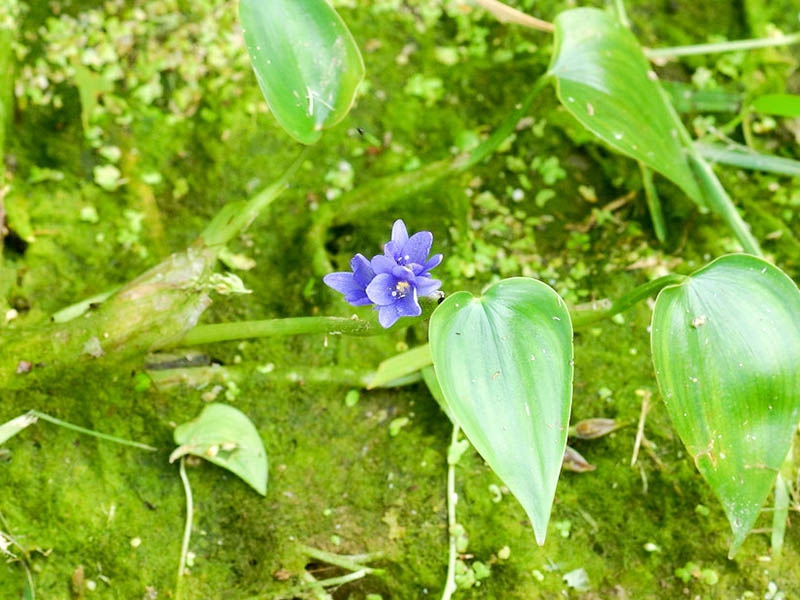
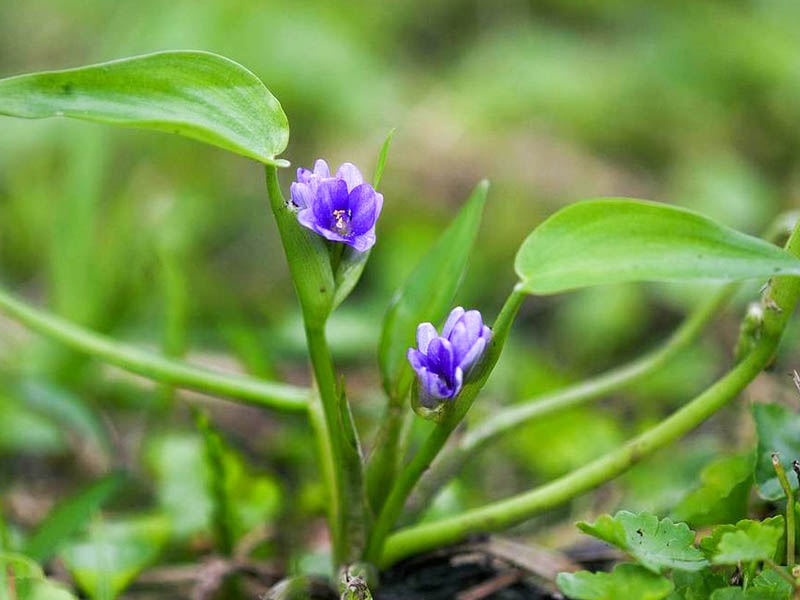
Monochoria vaginalis is a riparian plant that primarily grows in wetlands or around rice paddies. The following outlines the plant's growth characteristics, propagation methods, cultivation techniques, garden uses, and pest and disease control. Growth Characteristics - Monochoria vaginalis prefers humid environments and grows vigorously mainly during the summer. - It grows to a height of approximately 30–90 cm; its leaves are broad, thin, and deep green. - Flowers bloom from summer through autumn and are bluish-purple or purple. Propagation Methods - It is primarily propagated by seeds, but it can also be propagated by plant division. - For seed propagation, mature seeds can be collected in the autumn and sown immediately, or germinated indoors in the spring. Cultivation Methods - It is best to cultivate it in areas where water collects well or in wetlands. - It grows healthier when grown in a sunny location. - Since a lack of water can hinder growth, the soil must always be kept moist. Uses in the Garden- It blends well in waterside gardens alongside other plants that require a lot of water. - As an aquatic plant, it is also suitable for decoration in aquariums or artificial ponds. Important Pests and Control Methods- Although Monochondriac vaginalis is relatively resistant to pests and diseases, it can occasionally be damaged by them. - To prevent pests, periodic plant inspections are necessary, along with immediate removal of any pests that may appear. - It can be managed in an eco-friendly manner by utilizing natural pest control methods such as natural insects or lime. Grow healthy Monochondriac vaginalis by always maintaining soil moisture and preventing the occurrence of pests and diseases.
Plant Family
Water lilies
Height
10∼20cm
Colors
purple
Bloom Period
September
Water Needs
well
Exposure
Sunny
Freezing Resistance
-5°C
Water lilies
Monochoria korsakowi
Korean bellflower
Monotropa hypopitys