English
한국어
English
Español
中文
हिंदी
Home
News
Community
Dictionary
English
한국어
English
Español
中文
हिंदी
View list
Nadosujeongcho
Monotropastrum humile
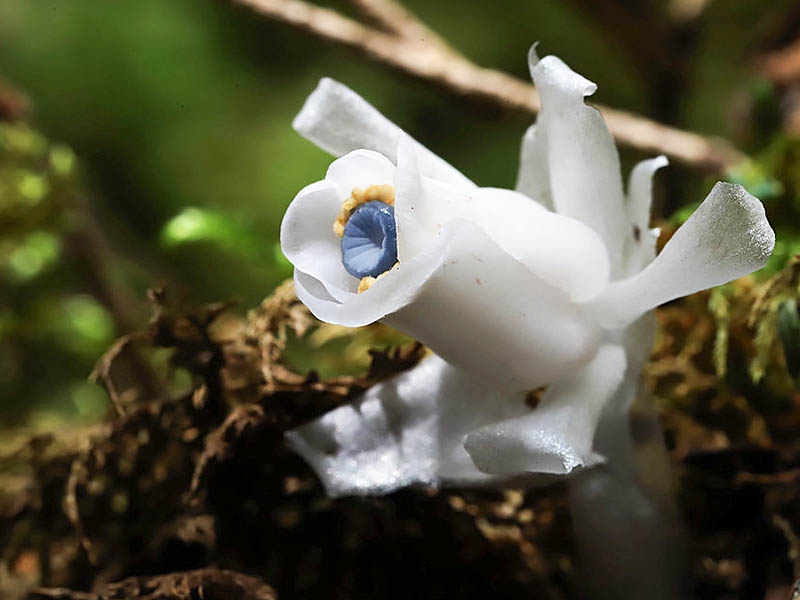
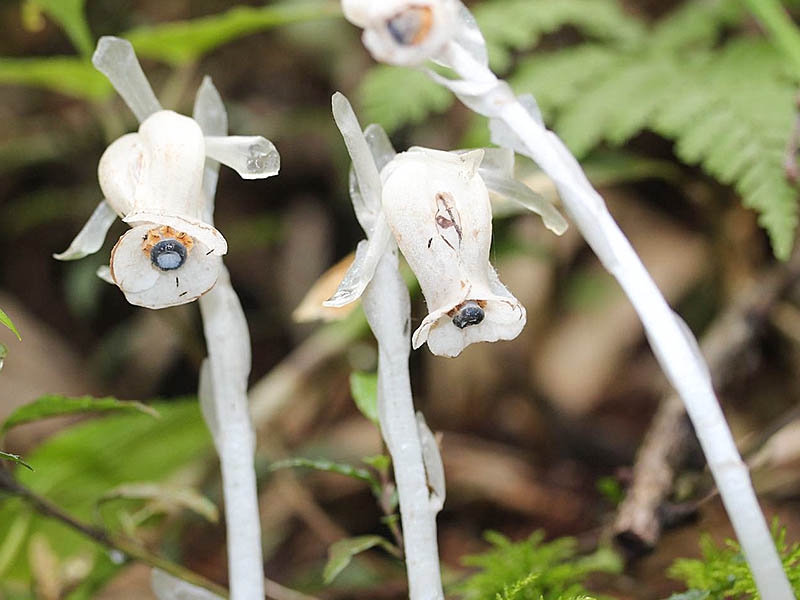
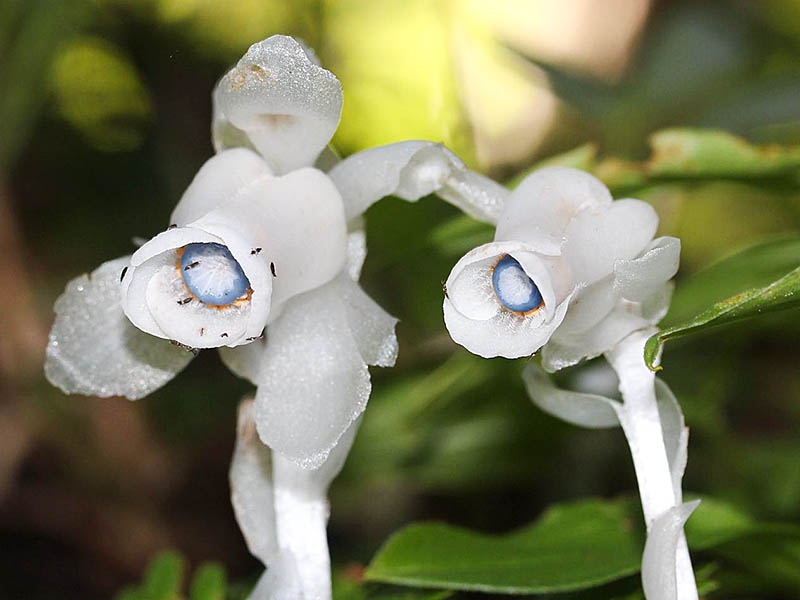
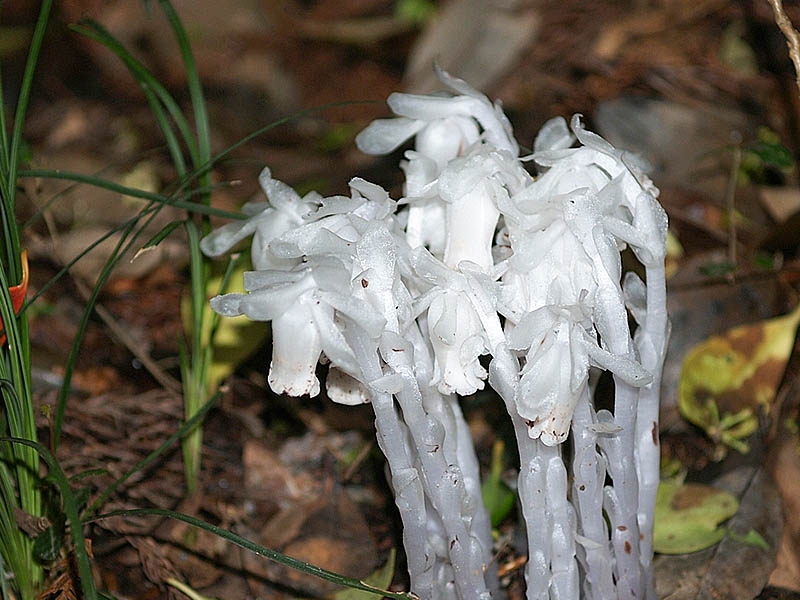
Monotropastrum humile is a perennial herbaceous plant that grows primarily in shady, moist forest areas. The following describes the growth characteristics, propagation methods, cultivation methods, garden uses, and major pests and control methods of Monotropastrum humile. Growth Characteristics - Growing Environment: It mainly grows in shade and prefers high-humidity environments. - Soil: It thrives in well-drained, moist soil. - Growth Cycle: It grows from spring to summer and produces small flowers during the summer. Propagation Methods - Seed Propagation: While it propagates via seeds in its natural state, artificial seed propagation can be difficult. - Root Division: Propagation by separating the root portion is a common method with a high success rate. Cultivation Methods - Planting: Plant in a shady location and use well-draining soil. - Temperature Management: Avoid high temperatures and maintain moderate moisture. - Watering: Water regularly, taking care not to keep the soil dry. Uses in Gardens - Landscape Plant: Provides a beautiful landscape in shady gardens or humid areas. - Naturalistic Gardens: Can contribute to creating a natural atmosphere in gardens that aim to maintain a natural state. Important Pests and Control Methods - Diseases: While generally resistant to diseases, root rot may occur if the soil is excessively wet. - Control: Prevention is achieved through proper drainage management and ventilation. - Pests: Generally, it has strong resistance to diseases and pests. However, pests such as aphids may appear. - Control: If aphids occur, they can be removed using soapy water or pesticides. Pterocarya japonica is a plant that can be particularly useful in shady gardens. It can be grown healthily if the growing environment and proper care methods are followed.
Plant Family
deer's foot family
Height
10~30cm
Colors
white
Bloom Period
July~August
Water Needs
commonly
Exposure
shade
Freezing Resistance
-10°C
Korean bellflower
Monotropa hypopitys
Monstera Pertusa
Monstera pertusa