English
한국어
English
Español
中文
हिंदी
Home
News
Community
Dictionary
English
한국어
English
Español
中文
हिंदी
View list
Monstera
Monstera deliciosa
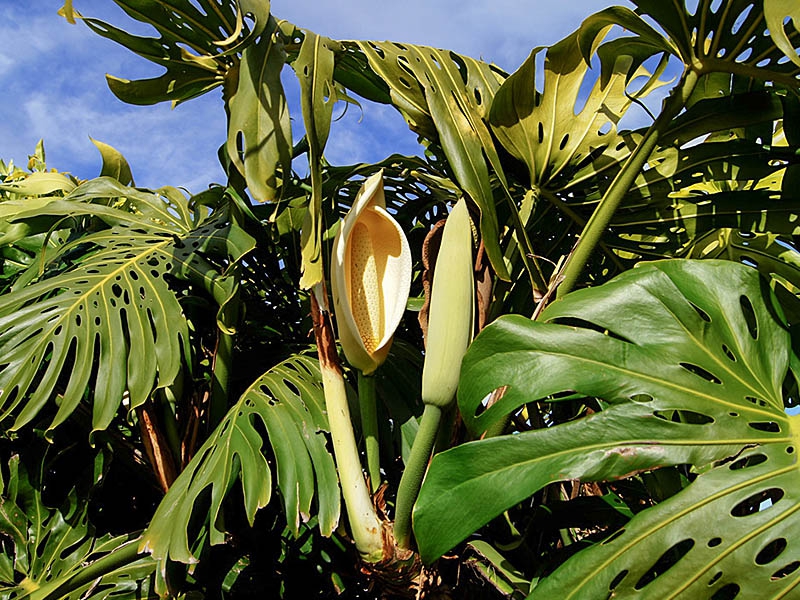
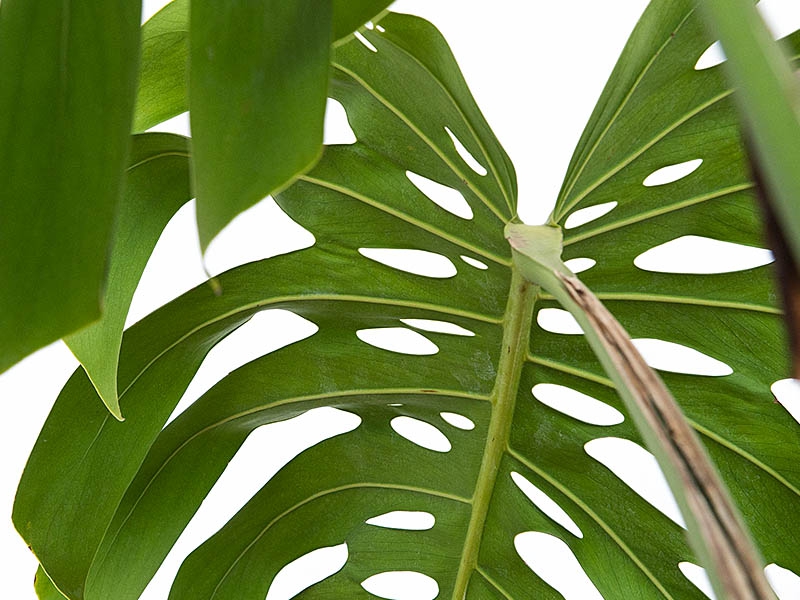
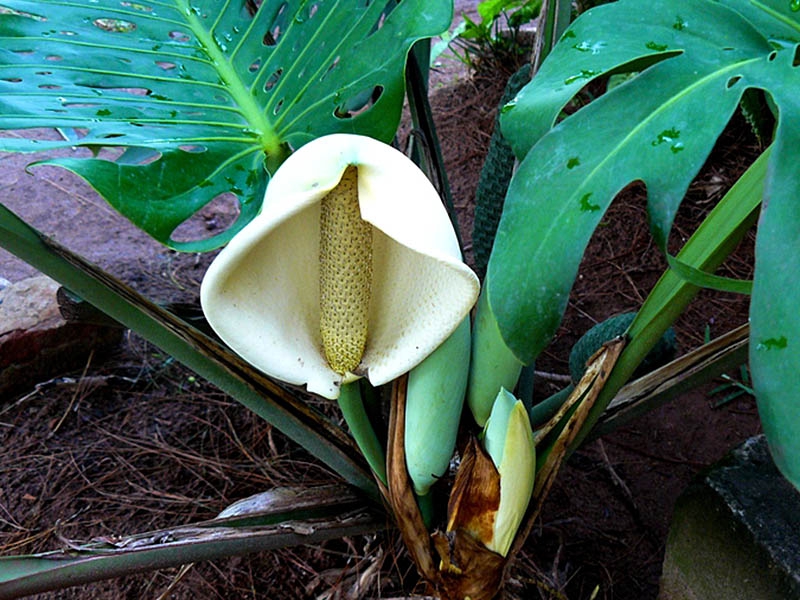
Monstera deliciosa is a vining plant native to tropical America and is very popular as an ornamental foliage plant. Below, we explain the growth characteristics, propagation methods, cultivation methods, garden uses, major pests and diseases, and control methods for Monstera deliciosa. Growth Characteristics - Light Conditions: It prefers partial shade, and direct sunlight should be avoided. Indirect light is most suitable. - Temperature: The optimal growth temperature is 18–30°C. Care must be taken to ensure the temperature does not drop below 10°C, especially during the winter. - Humidity: It likes high humidity, so it is recommended to maintain humidity by watering frequently. - Soil: It is recommended to use leaf mold or peat moss with good drainage. Propagation Methods - Cuttings: Insert a cut part of a stem into water or moist soil to encourage rooting. Place it in a bright location and maintain appropriate humidity to help the roots develop well. - Aerial Roots: You can encourage exposed aerial roots to grow into new plants by pushing them into the soil. Cultivation Methods - Watering: Water thoroughly when the surface of the soil dries out, but ensure excellent drainage. Overwatering can cause root rot. - Fertilizer: During the growing season (spring and summer), it is recommended to apply liquid fertilizer every two weeks. - Pruning and Care: Repot every spring, and frequently wipe dust off the leaves with a damp cloth. Uses in the Garden - Monstera is typically used as an indoor foliage plant, but it thrives in shaded outdoor gardens during the summer. It can create a tropical atmosphere when placed alongside other plants. Important Pests and Control Methods - Aphids and Scale Insects: These can be prevented by using natural insecticides along with regular wiping of the leaves. - Mold: Prevent this by avoiding overwatering and ensuring good ventilation around the plant. - Root Rot: Use well-draining soil and wait until the soil is completely dry after watering to avoid overwatering. If you follow the care instructions properly, Monstera deliciosa will become an excellent plant that can beautifully decorate your space with its attractive leaves.
Plant Family
Araceae
Height
7~8m
Colors
white
Bloom Period
September to October
Water Needs
commonly
Exposure
semi-shaded area
Freezing Resistance
-5°C
Monstera Friedrix
Monstera friedrichsthalii
Montia Perpoliata
Montia perfoliata