English
한국어
English
Español
中文
हिंदी
Home
News
Community
Dictionary
English
한국어
English
Español
中文
हिंदी
View list
wild mulberry tree
Morus bombycis
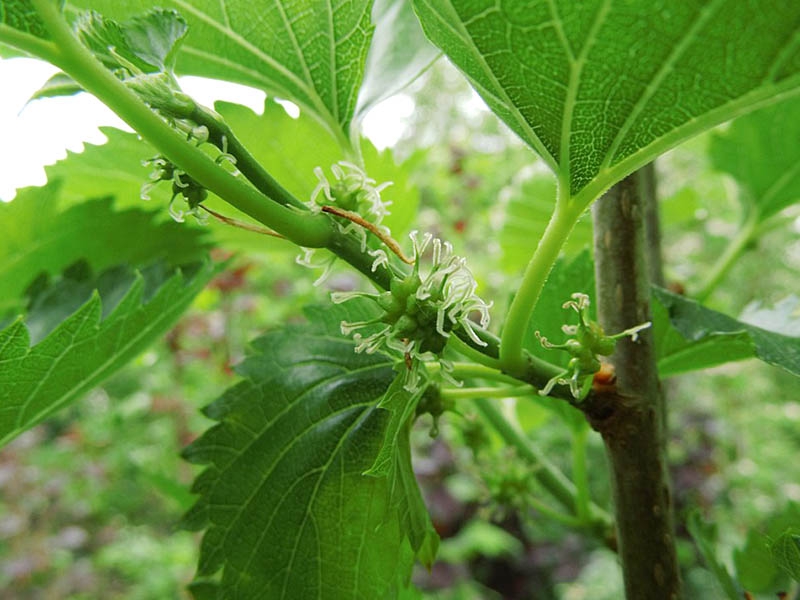
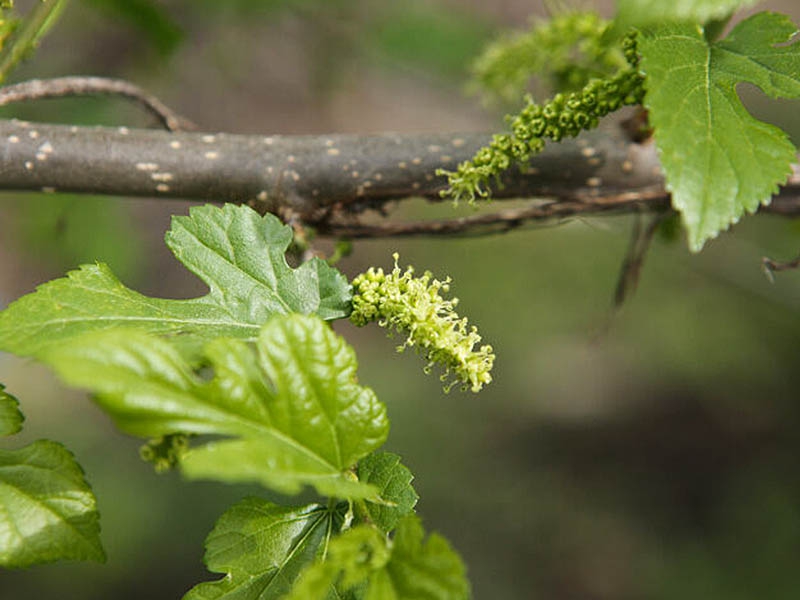
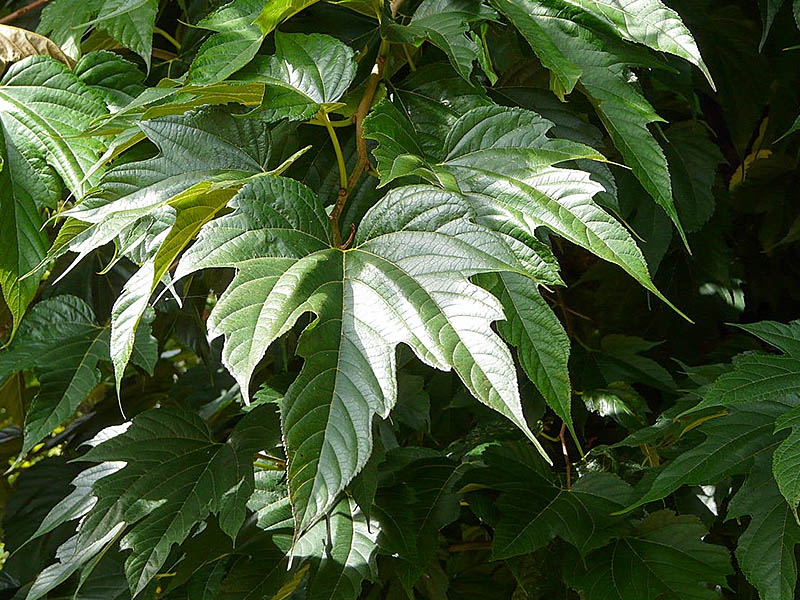
Growth Characteristics, Propagation Methods, Cultivation Methods, Garden Uses, Major Pests and Diseases, and Control Methods of Morus bombycis #Growth Characteristics Morus bombycis is a deciduous tree that thrives in temperate climates and can grow up to 10 meters tall. This tree prefers sunlight and grows well in well-drained soil. It also possesses a rapid growth rate and excellent cold and drought tolerance. #Propagation Methods Morus bombycis is primarily propagated by cuttings and sowing. Cuttings are taken from branches pruned in the spring, while sowing is done by collecting seeds from mature fruits. To increase germination rates after sowing, it is recommended to subject the seeds to natural cold treatment outdoors during the cold winter. #Cultivation Methods - Soil: Morus bombycis prefers well-drained soil. Slightly acidic to neutral soil is suitable. - Watering: Provide sufficient water during the initial stages, but it grows well even in dry soil after maturity. - Fertilizer: During the growing season, use nitrogen fertilizer as the primary fertilizer, and apply compound fertilizer as needed. #Uses in Gardens Wild mulberry trees provide shade and windbreaks. With their large, beautiful leaves, they are suitable for garden landscaping. Additionally, they are resistant to pollution, allowing them to thrive even in urban gardens. #Important Pests and Control Methods - Diseases: Brown spot and anthracnose are major issues. To prevent these, proper ventilation and humidity control are necessary. Regularly spraying fungicides is helpful. - Pests: Pests such as ladybugs can cause problems. To prevent this, inspect the trees frequently to remove pests, and use insecticides if necessary. Wild mulberry trees possess high environmental value as well as ornamental value, making them suitable for various uses. When cultivating, it is important to provide optimal conditions by considering the growing environment.
Plant Family
Moraceae
Height
7~8m
Colors
green
Bloom Period
April~May
Water Needs
commonly
Exposure
semi-shaded area
Freezing Resistance
-15°C
Noni
Morinda citrifolia
mulberry tree
Morus alba