English
한국어
English
Español
中文
हिंदी
Home
News
Community
Dictionary
English
한국어
English
Español
中文
हिंदी
View list
mulberry tree
Morus alba
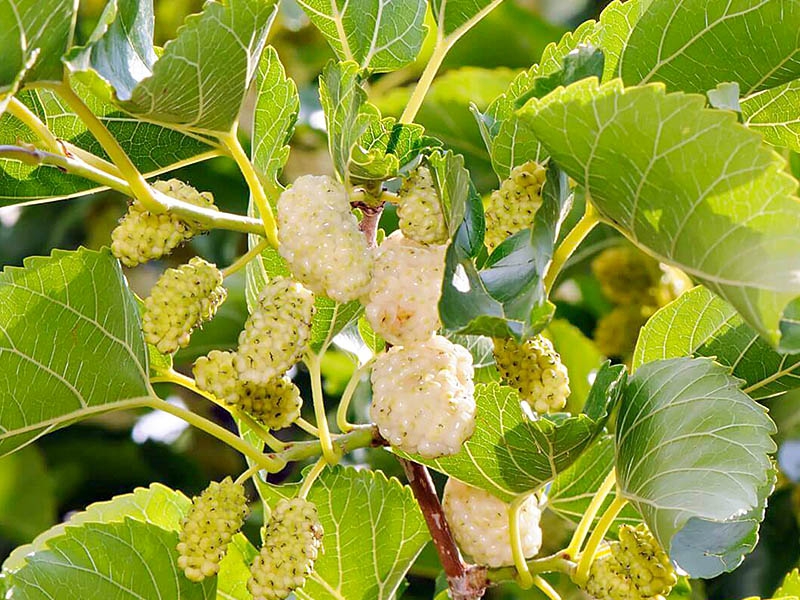
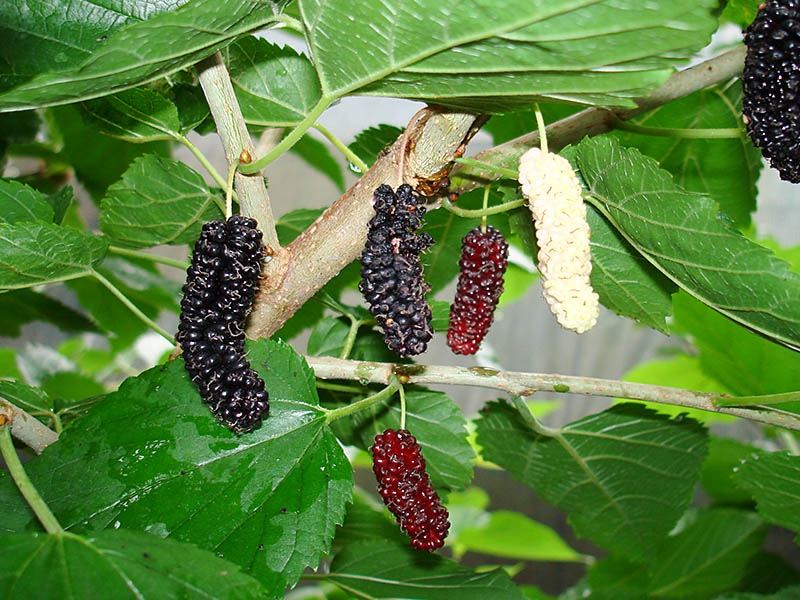
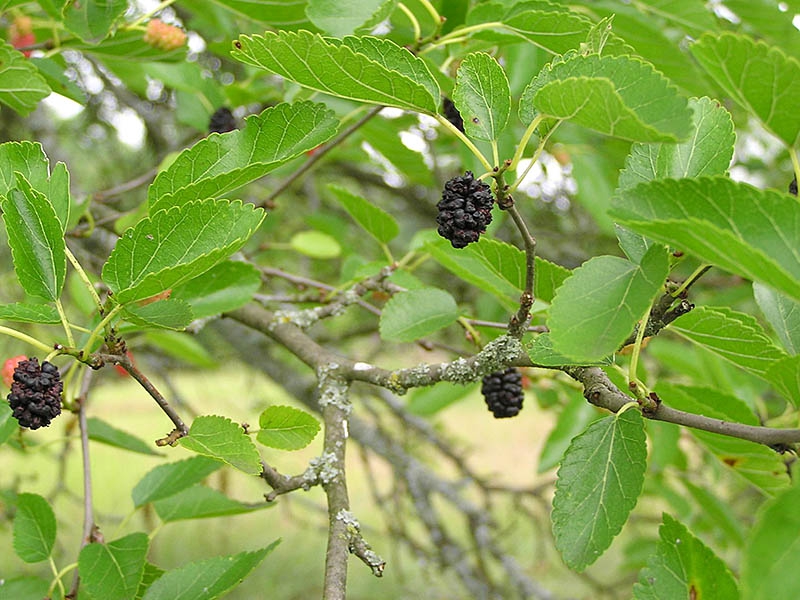
Morus alba is a common tree in Korea, better known by the name Ppongnamu. Due to its various benefits, it is widely used in gardens and agriculture. Growth Characteristics - Environment: The mulberry tree thrives in sunny locations and can adapt to various soil conditions. However, it shows optimal growth in well-drained soil. - Size: Mature trees can grow up to 10 to 20 meters in height, with a wide-spreading crown. - Lifespan: It is a long-lived tree, typically surviving for over 100 years. Propagation Methods - Seed Propagation: Propagation is possible using mulberry seeds. Seeds can be collected from mature fruits in the autumn and planted immediately, or planted in the spring. - Cuttings: Cutting branches to grow new trees is also a commonly used method. Cultivation Methods - Planting: It is best to plant in the spring or autumn. Select a location that ensures proper drainage and sufficient sunlight. - Water Management: Initially, sufficient watering is necessary to stabilize the roots, but once growth begins, the plant can thrive even in dry conditions. - Fertilizer: Adding organic fertilizer annually can lead to better growth. Uses in the Garden - Ornamental: Mulberry trees are suitable for providing shade and decoration; their dense foliage offers cool shade during the summer. - Fruit: The fruit can serve as food for humans and animals, and is particularly important as a food source for silkworms in the sericulture industry. Major Pests and Control Methods - Diseases: The most common diseases affecting mulberry trees are mulberry leaf blight and leaf mold. Proper ventilation and a clean growing environment help with prevention. - Pests: Major pests include aphids and mulberry leaf beetles. It is recommended to use eco-friendly insecticides or natural predators that feed on them. - Control: Regular inspections and prompt action are crucial in preventing the spread of pests and diseases. While chemical pest control methods may be used if necessary, an eco-friendly approach is recommended. Mulberry trees are recommended as garden trees because they provide shade during the summer, and their fruit and leaves can be used for various purposes. Grow them healthily with proper care and maintenance.
Plant Family
Moraceae
Height
3~10m
Colors
yellow
Bloom Period
June
Water Needs
commonly
Exposure
Sunny
Freezing Resistance
-30°C
wild mulberry tree
Morus bombycis
Mongolian mulberry
Morus mongolica