English
한국어
English
Español
中文
हिंदी
Home
News
Community
Dictionary
English
한국어
English
Español
中文
हिंदी
View list
Weeping mulberry
Morus alba
f.
pendula
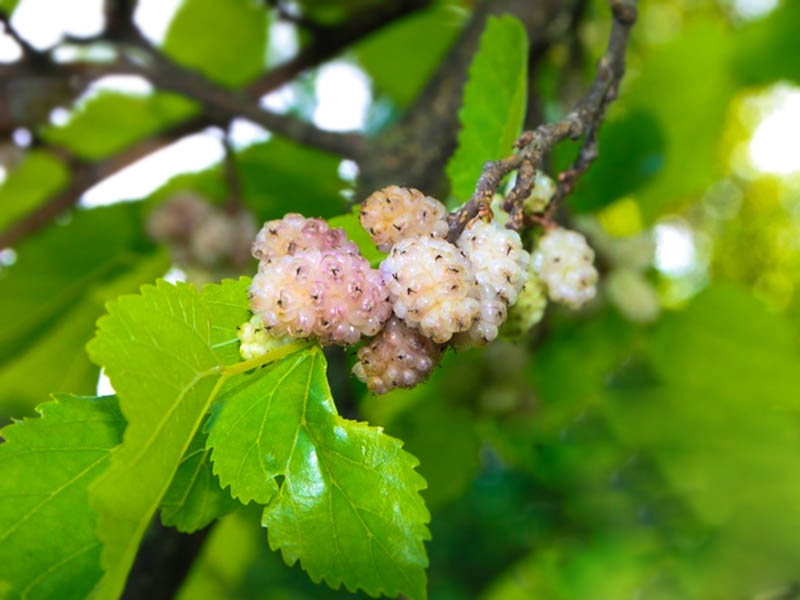
The Weeping Mulberry (Morus alba f. pendula) is a popular garden tree due to its attractive drooping branch shape. I will explain this tree's growth characteristics, propagation methods, cultivation techniques, garden uses, and important pests and diseases and control methods. Growth Characteristics It prefers sunlight and thrives in well-drained soil. It can grow healthily if watered properly and soil fertility is maintained. Growth is generally fast, and since the branches grow in a drooping form, maintenance may be required. Propagation Methods Propagation is primarily possible via cuttings. In early spring or spring, cut branches to a length of about 15–20 cm, apply a rooting hormone, and plant them in well-draining soil. Rooting is relatively easy if appropriate humidity and temperature are maintained. Cultivation Methods It grows well in warm climates and can withstand some cold during the winter. Regular pruning allows you to maintain the desired shape, which helps with ventilation and sunlight penetration. Applying organic fertilizer during the spring growing season is most effective. Uses in the GardenIt provides shade and offers excellent decorative appeal, making it a great focal point in the garden. It can be utilized in various garden designs, and planting it near water or on slopes creates a natural atmosphere. Important Pests and Control Methods While generally resistant to pests, it can be damaged by leaf mold, powdery mildew, and pests such as aphids and moth larvae. Regular pruning and debris removal are necessary for prevention, and appropriate pesticides can be used to control diseases in their early stages. As an eco-friendly method, periodically spraying with soapy water is also effective for preventing pests. Based on this information, properly caring for the Weeping Mulberry will make it a wonderful focal point in your garden.
Plant Family
Moraceae
Height
3m
Colors
red
Bloom Period
June
Water Needs
commonly
Exposure
Sunny
Freezing Resistance
-30°C
Stone mulberry tree
Morus cathayana
black mulberry tree
Morus nigra