English
한국어
English
Español
中文
हिंदी
Home
News
Community
Dictionary
English
한국어
English
Español
中文
हिंदी
View list
wild sesame
Mosla japonica
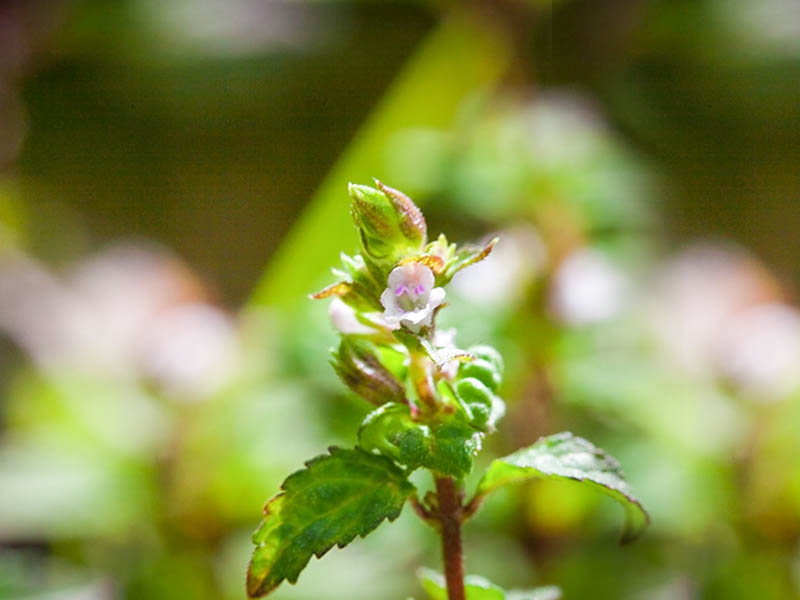
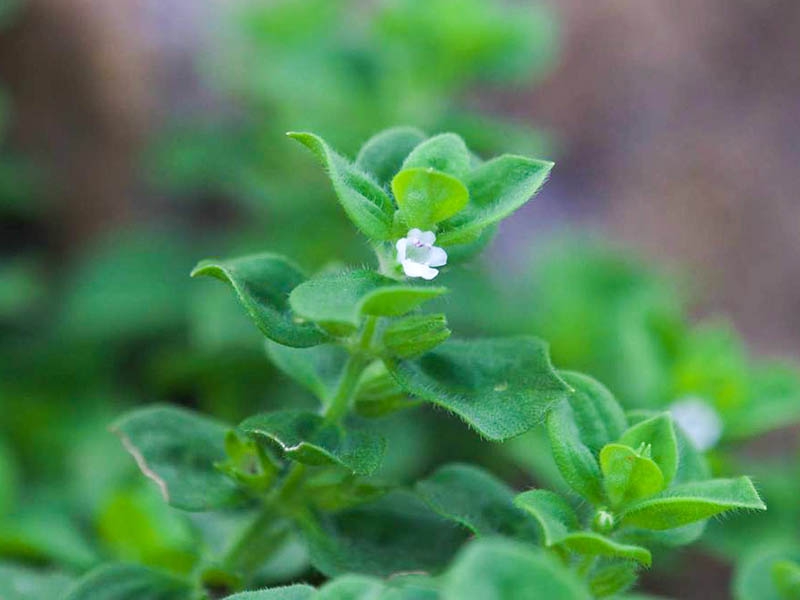
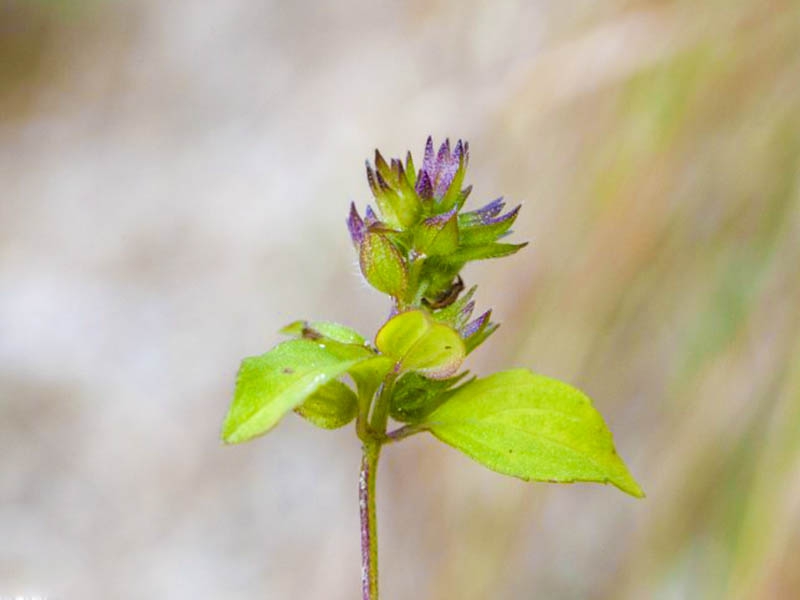
Mosla japonica is a perennial herbaceous plant belonging to the Lamiaceae family, primarily found in mountainous regions of Korea, Japan, and China. The following is information regarding this plant's growth characteristics, propagation methods, cultivation methods, garden uses, and major pests and diseases and control methods. Growth Characteristics - Environment: Mosla japonica thrives in partial shade and prefers well-drained soil. - Size: It typically grows to a height of 30–60 cm. - Flowers: Small white or light purple flowers bloom between summer and autumn. Propagation Methods - Seeds: Seeds can be sown directly in the spring or planted from seedlings. - Cuttings: Stems can be cut in spring or autumn for propagation. Cultivation Methods - Soil Preparation: Prepare well-drained, slightly acidic soil. - Planting: Plant in a location with adequate sunlight in the spring. 3. Care: Be careful not to overwater, but manage watering to prevent the soil from drying out. - Fertilization: Apply an appropriate amount of organic fertilizer in the spring. Garden Uses - Ornamental: Its lush foliage makes it excellent for use as a ground cover in the garden. - Fragrance: The leaves and flowers have a pleasant scent, adding fragrance to the garden. Major Pests and Diseases & Control Methods - Diseases: Root rot can occur due to improper drainage; therefore, pay attention to drainage to prevent this. - Pests: Aphids or mites may occur; to prevent this, inspect the leaves periodically and use control methods such as soapy water or natural predators if necessary. Perilla japonica is a plant that is relatively easy to care for, making it suitable for beginners to cultivate. It is important to provide the right environment and care to ensure healthy growth.
Plant Family
Lamiaceae
Height
10∼40cm
Colors
amethyst
Bloom Period
July–August
Water Needs
commonly
Exposure
Sunny
Freezing Resistance
-20°C
Perilla
Mosla scabra
mouseweed
Mosla dianthera