English
한국어
English
Español
中文
हिंदी
Home
News
Community
Dictionary
English
한국어
English
Español
中文
हिंदी
View list
Narrow-leaved crape myrtle
Zinnia angustifolia
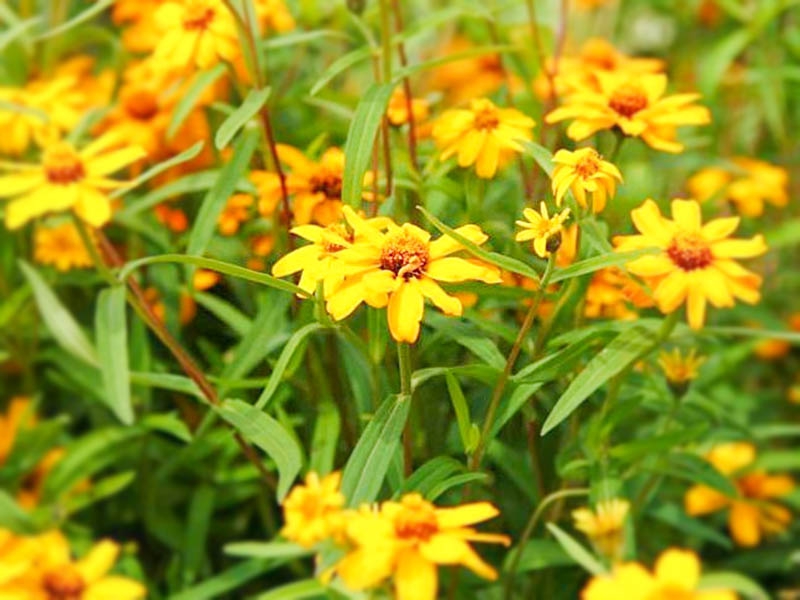
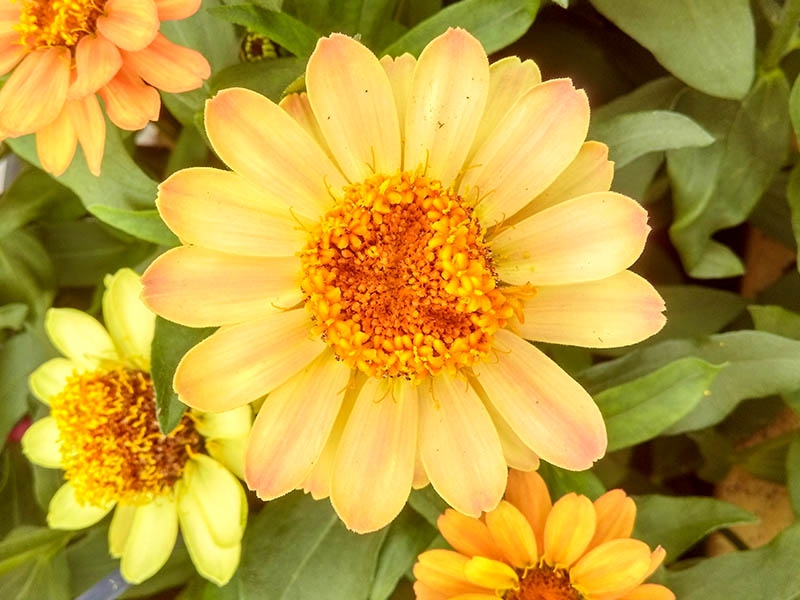
Growth Characteristics of Zinnia angustifolia Zinnia angustifolia is an annual plant belonging to the Asteraceae family, native to Mexico and the southern United States. This plant grows to a height of 30 to 50 cm and thrives in warm, sunny environments, as it prefers hot climates and sunlight. The leaves are long, narrow, pointed at the tips, and slightly hairy. Flowers bloom from summer to autumn and come in a variety of colors, mainly orange, white, and yellow. Propagation Methods Zinnia angustifolia is primarily propagated by seeds. Seeds should be sown in the spring to allow for flowering in the summer. Direct sowing is possible in warm regions, but in colder regions, it is recommended to grow seedlings indoors before transplanting them outdoors. Cultivation Methods - Soil: It prefers well-drained soil. It grows well in sandy soil or fertile soil. 2. Watering: It grows quickly and likes water, but be careful as excessive moisture can cause root rot. Water when the soil begins to dry out. - Sunlight: It is best to grow it in a sunny location. It requires at least 6 to 8 hours of sunlight per day. - Temperature: It prefers a warm climate and is sensitive to frost. Wait until the frost has passed before planting outdoors. - Fertilizer: Generally, additional fertilizer is not needed in fertile soil, but in nutrient-deficient soil, it is recommended to use fertilizers containing phosphorus and potassium. Uses in the Garden Zinnia angustifolia is excellent for garden flowerbeds and borders due to its diverse colors and long blooming period. It also grows well in pots, making it easy to cultivate on terraces or balconies. Important Pests and Control Methods Zinnia angustifolia is relatively resistant to pests and diseases, but there are a few things to keep in mind. 1. Fungal Diseases: Fungal diseases can occur in hot and humid environments. To prevent this, plant in a well-ventilated area and avoid keeping the plants wet. - Aphids: Aphids may appear on leaves and flowers. If detected early, wash with soapy water or use an appropriate insecticide to control them. - Scab: Scab may appear as small, spreading spots on the leaves. Immediately remove any affected areas and disinfect them. With proper care, you can grow healthy plants and bring vitality to your garden.
Plant Type
Plant Family
Asteraceae
Height
25~50cm
Spread
Colors
white, orange
Bloom Period
July to October
Water Needs
commonly
Exposure
Sunny
Freezing Resistance
-10°C
Zinnia
Zinnia elegans
Zinnia 'Zahara Starlight Rose'
Zinnia marylandica 'Zahara Starlight Rose'