English
한국어
English
Español
中文
हिंदी
Home
News
Community
Dictionary
English
한국어
English
Español
中文
हिंदी
View list
Wild daisy
Myosotis laxa
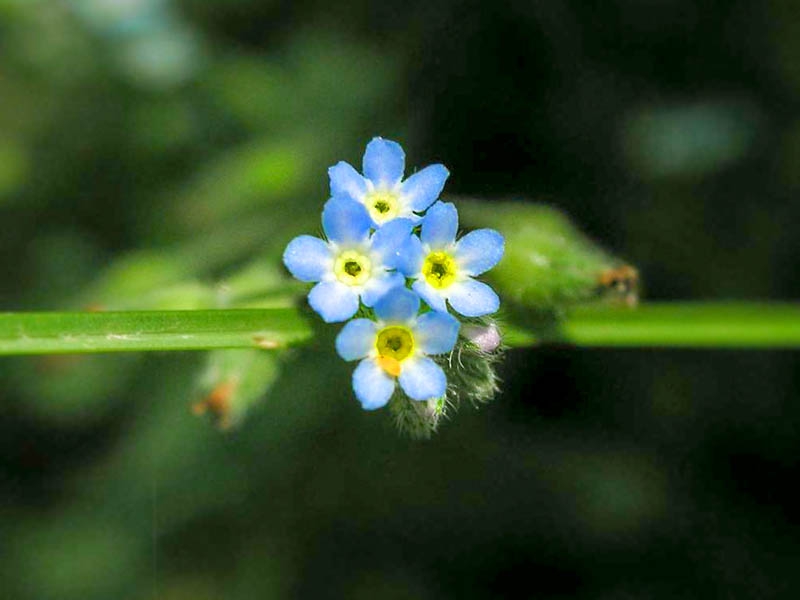
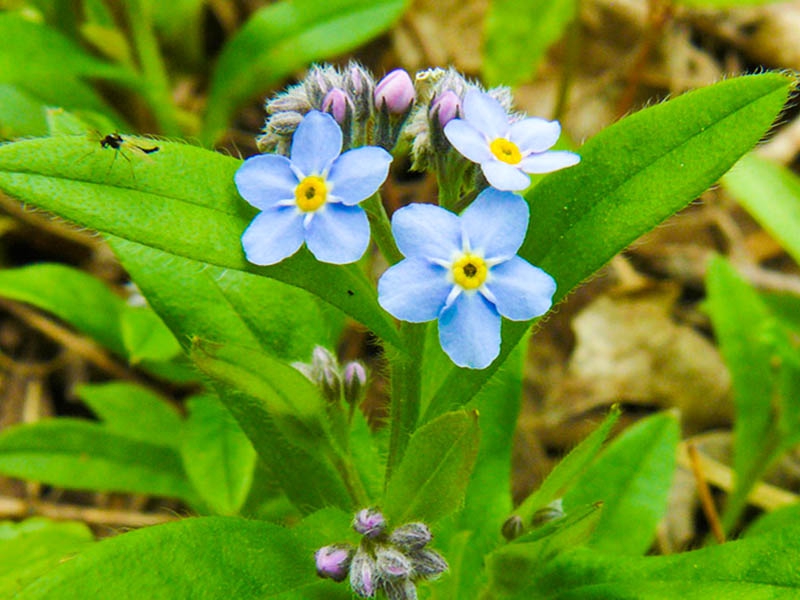
Myosotis laxa is a plant that primarily grows in wetlands. It possesses the following characteristics regarding growth, propagation, cultivation, garden use, and important pests and diseases, as well as control methods. Growth Characteristics - Habitat: It mainly grows in moist areas; lake edges and wetlands are suitable environments. - Sunlight: It thrives in partial shade and prefers locations with some shade rather than direct sunlight. - Soil: It prefers well-drained, moist soil. - Growth Habits: It is typically a perennial plant that grows to a height of approximately 10 to 40 cm. Propagation Methods - Seeds: Seeds are the most common method of propagation and can be sown in spring or early summer. - Cuttings: It can be propagated by cutting stems and rooting them. Cultivation Methods - Watering: It prefers moisture, so it must be watered sufficiently. - Spacing: Plants should be spaced sufficiently apart to ensure good ventilation. - Fertilizer: There are no specific fertilizer requirements, but it is beneficial to apply a small amount of organic fertilizer during the growing season. Uses in the Garden - Ornamental: Since the small flowers bloom in clusters, it is suitable for landscaping to add a natural feel to the garden. - Waterside Plant: Planting it around ponds or in moist gardens can create a beautiful landscape. Important Pests and Control Methods - Diseases: Root rot or leaf mold may occur due to excessive moisture. - Control Methods: Prevent overwatering through proper water management and maintain good ventilation. - Pests: It may be damaged by aphids or other small insects. - Control Methods: Utilize natural enemies for natural control or use eco-friendly insecticides if necessary. Based on the information above, you can manage and cultivate Ramnifolia more effectively.
Plant Family
Dental clinic
Height
10~40cm
Colors
blue
Bloom Period
May to September
Water Needs
commonly
Exposure
semi-shaded area
Freezing Resistance
-10°C
Why is it difficult?
Myosotis sylvatica
Forget-me-not
Myosotis scorpioides