English
한국어
English
Español
中文
हिंदी
Home
News
Community
Dictionary
English
한국어
English
Español
中文
हिंदी
View list
Daffodil 'Coating'
Narcissus pseudonarcissus
'Cotinga'
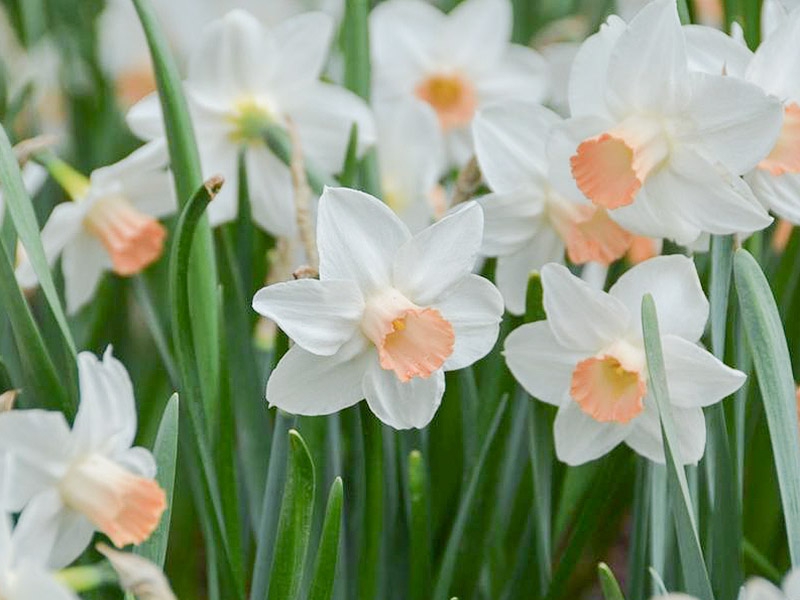
Growth Characteristics of Daffodil 'Cotinga' Daffodil 'Cotinga' is a variety featuring beautiful yellow flowers that bloom fully in the spring. This variety is hardy and highly adaptable, thriving in cool climates. It prefers sunny locations and grows best in well-drained soil. Propagation Methods Daffodil 'Cotinga' is primarily propagated via bulbs (beads or root ball). The optimal time for planting bulbs is autumn, and they will establish roots before winter arrives. Plant bulbs at a depth of approximately 15–20 cm and maintain a spacing of 10–15 cm between bulbs. Cultivation Methods - Climate and Location: It grows well in sunny locations or in partial shade. Choose a location with good drainage. - Soil Preparation: Well-drained soil rich in organic matter is ideal. The soil acidity should be in the neutral to slightly alkaline range. 3. Planting: Plant the bulbs in the autumn. The planting depth should be approximately 2 to 3 times the height of the bulb. - Watering: Water thoroughly immediately after planting, but do not water separately during the winter. Be careful of overwatering during the winter. - Fertilization: Applying compound fertilizer in time for the spring flowering season is helpful. Uses in the Garden The daffodil 'Cotinga' is excellent for adding vibrant colors to flowerbeds or borders. It is effective when planted in clusters and blends harmoniously with other spring flowers. In particular, planting it at the edge of a lawn or in shaded areas can create an even more attractive landscape. Important Pests and Diseases & Control Methods - Diseases: - Lily Bulb Rot: Caused by white mold, it causes bulb rot. To prevent this, select well-draining soil and remove diseased bulbs. - Leaf Blight: Symptoms include the tips of the leaves drying out. Sufficient ventilation is necessary to control this disease. - Pests: - Aphids: Aphids infest the leaves and stems, causing damage by sucking sap. If aphids are observed, it is recommended to use soapy water or an appropriate insecticide. For all pest control operations, basic management and preventive measures are crucial for the healthy growth of the plant, and appropriate action must be taken when diseases or pests are discovered.
Plant Family
Narcissus family
Height
20~25cm
Spread
5~7cm
Colors
white, orange
Bloom Period
March to April
Water Needs
commonly
Exposure
Sunny
Freezing Resistance
-5°C
Daffodil 'Cragford'
Narcissus pseudonarcissus
'Cragford'
Daffodil 'Cheerfulness'
Narcissus pseudonarcissus
'Cheerfulness'