English
한국어
English
Español
中文
हिंदी
Home
News
Community
Dictionary
English
한국어
English
Español
中文
हिंदी
View list
Night Leaf
Neolepisorus ensatus
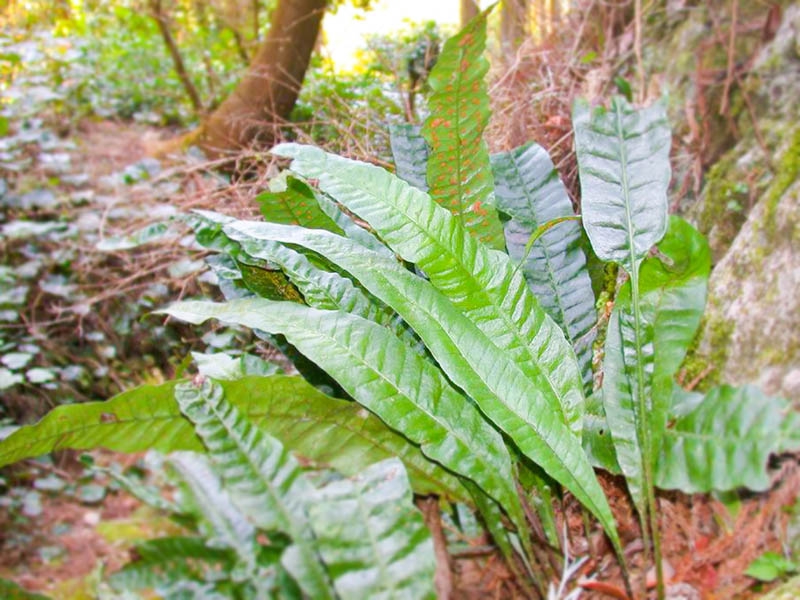
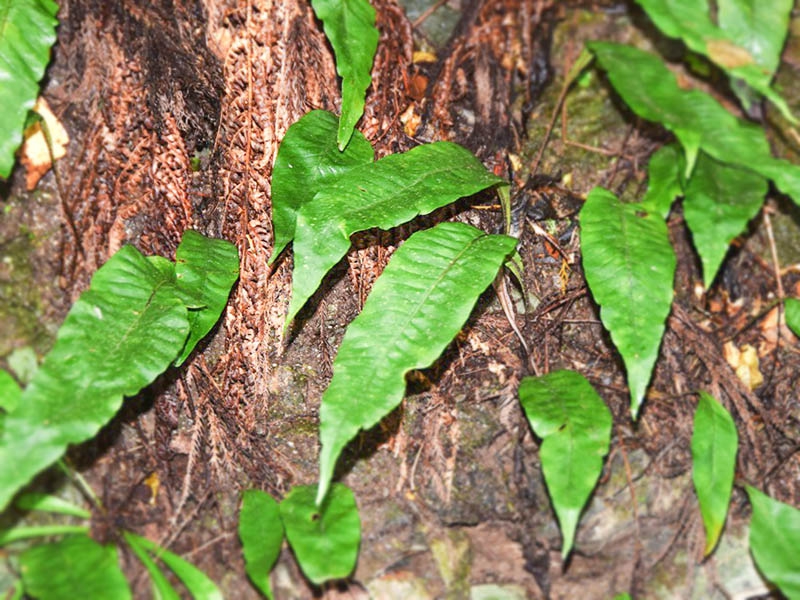
Characteristics and Cultivation Methods of Neolepisorus ensatus Growth Characteristics - Growing Environment: It thrives in partial shade and prefers moist soil. In its natural habitat, it primarily inhabits the forest floor, receiving indirect sunlight. - Water Requirements: It requires high humidity and grows in well-drained soil. - Growth Rate: It grows relatively slowly, and the growth rate may vary depending on the environment. Propagation Methods - Spore Propagation: Propagation by spores is common. Mature spores develop from sporangia formed on the undersides of leaves. - Division Propagation: It can also be propagated by dividing the roots of mature plants. This method is effective when the roots are healthy. Cultivation Methods - Soil Preparation: Well-drained, acidic soil is suitable, and it is recommended to increase soil fertility by adding organic fertilizer. - Watering: Water must be provided continuously to prevent the soil from drying out. It is especially important to keep the surrounding air humid during the summer. - Sunlight Management: Avoid direct sunlight and grow in partial shade; excessive sunlight can burn the leaves. Garden Use - Suitable as a ground cover plant in shady gardens or moist areas. It can also be harmoniously arranged with other mosses in gardens with subtropical climates. Important Pests and Control Methods - Diseases: Leaf rot may occur due to excessive moisture. Prevent this by improving drainage and ventilation. - Pests: While generally resistant to diseases and pests, aphids or scale insects may occur. Upon early detection, they can be controlled by wiping them with soapy water or alcohol. - Environmental Management: It is important to maintain good ventilation by periodically observing the leaves and removing fallen leaves. Balladium macranthum can be grown and cared for healthily in this manner.
Plant Family
Myeonma-gwa
Height
20∼40cm
Spread
5∼6cm
Colors
sporophyte
Bloom Period
June to September (spore period)
Water Needs
commonly
Exposure
semi-shaded area
Freezing Resistance
-10°C
Daebongryong cactus
Neobuxbaumia polylopha
Phalaenopsis orchid
Neofinetia falcata