English
한국어
English
Español
中文
हिंदी
Home
News
Community
Dictionary
English
한국어
English
Español
中文
हिंदी
View list
Phalaenopsis orchid
Neofinetia falcata
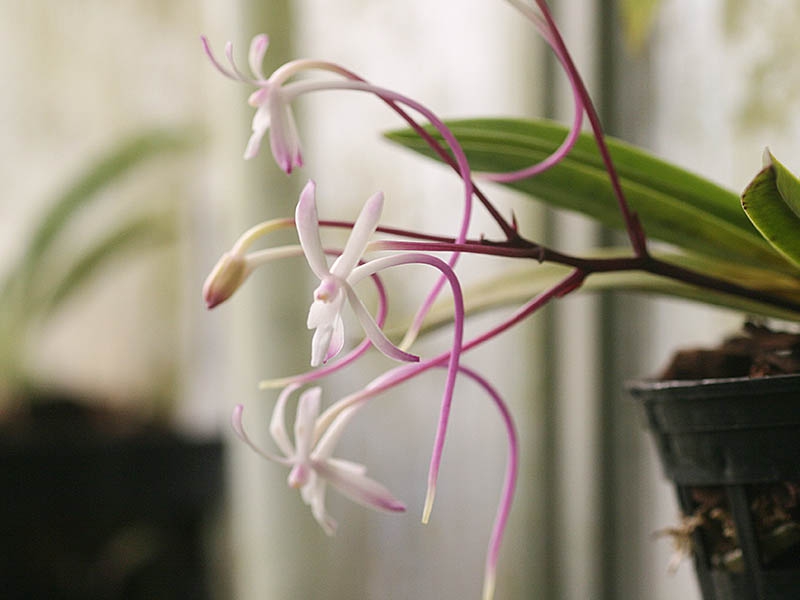
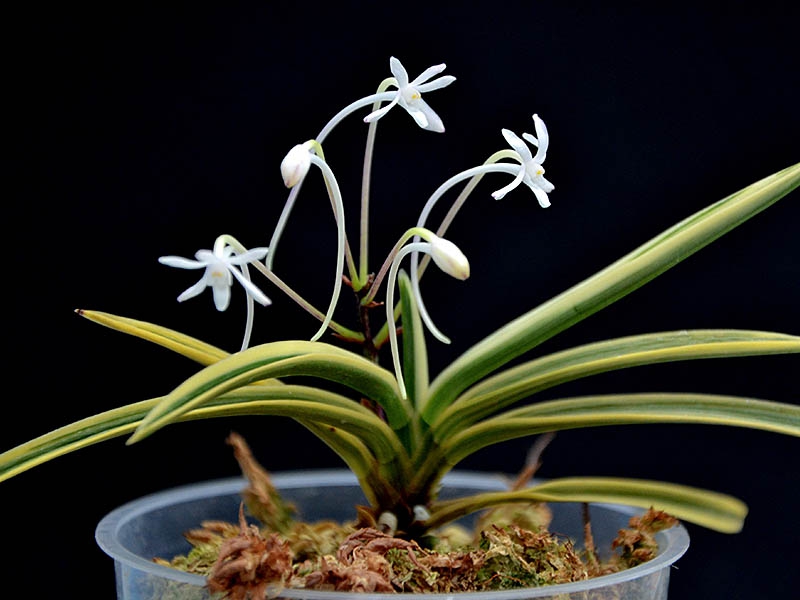
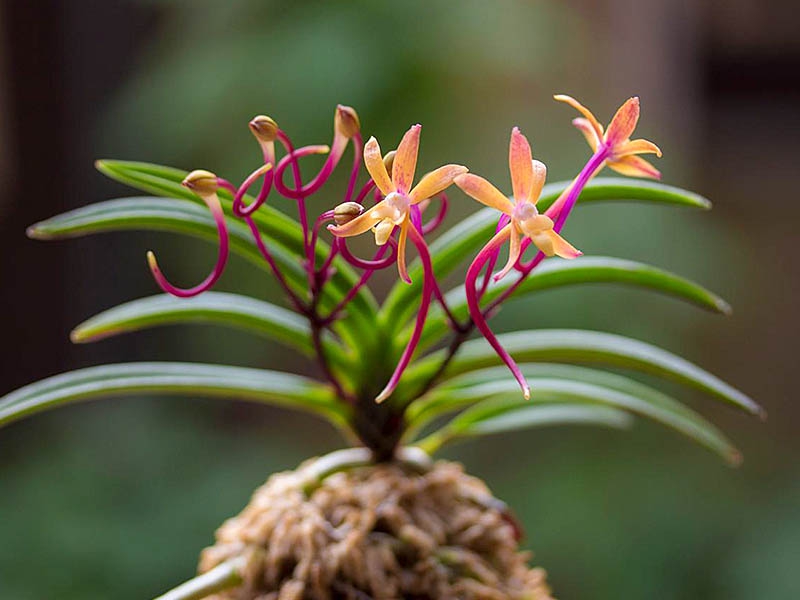
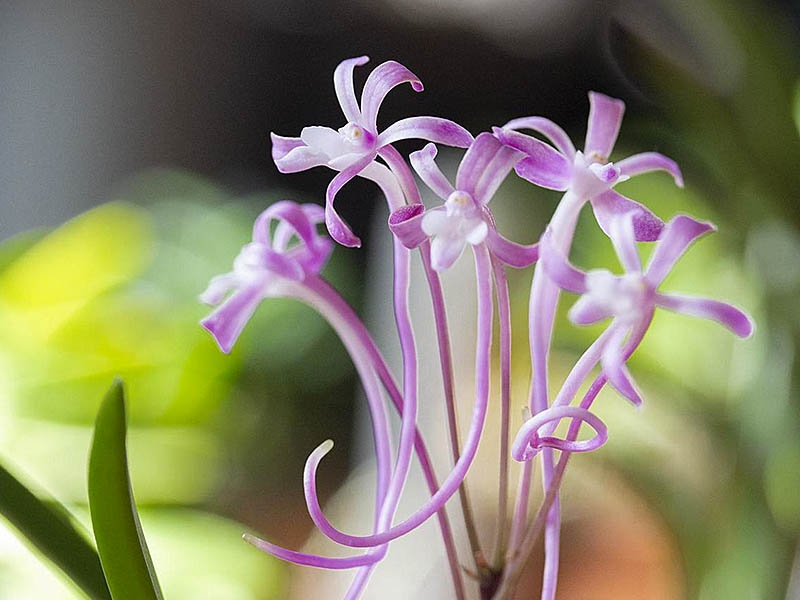
Neofinetia falcata is an orchid native to Korea, Japan, China, and other regions, and is highly popular for its distinctive fragrance and beautiful flowers. The following is information regarding the growth characteristics, propagation methods, cultivation techniques, garden uses, and major pests and diseases, as well as control methods for Neofinetia falcata. Growth Characteristics - Environment: Neofinetia falcata thrives in partial shade, and proper ventilation is essential. It also prefers an environment where high humidity is maintained. - Temperature: It grows best between 15 and 25 degrees Celsius, and it is recommended to maintain a temperature of at least 5 degrees Celsius during the winter. - Watering: Water only when the soil is completely dry, and maintain a well-drained environment. Propagation Methods - Seed Propagation: In the natural environment, orchids propagate from seeds. However, because seed propagation is time-consuming and requires specific conditions, it is not commonly used in home settings. - Division Propagation: In home settings, propagation is primarily done through division. Mature individuals are divided and planted during the spring or autumn when growth is vigorous. Cultivation Methods - Container and Soil: Use special potting soil for Phalaenopsis orchids, and plant them in well-aerated bark or moss. - Light Control: Avoid direct sunlight and adjust the position to receive indirect light. If using LED lighting, adjust the light intensity appropriately. - Fertilization: Use special fertilizers for orchids and apply an appropriate amount during the growing season in spring and summer. Use in the Garden - Pot Cultivation: In gardens, they are primarily grown in pots and managed; they are also suitable for decoration on terraces or verandas. - Decorative Use: They can be placed in hallways, doorways, or indoor green spaces to beautify the indoor environment. Important Pests and Diseases & Control Methods - Pests and Diseases: Powdery mildew and scale insects may occur, requiring periodic observation. - Control Methods: If diseases occur, use pesticides or eco-friendly control methods. Maintaining a clean environment and managing proper ventilation can prevent the occurrence of pests and diseases. The Phalaenopsis falcata can be tricky to care for, but it is a plant well worth the effort. With proper care, you can enjoy its beautiful and fragrant flowers.
Plant Family
Orchid family
Height
10cm
Colors
white
Bloom Period
July
Water Needs
commonly
Exposure
semi-shaded area
Freezing Resistance
-5°C
Night Leaf
Neolepisorus ensatus
Chinese quince
Neolitsea sericea