English
한국어
English
Español
中文
हिंदी
Home
News
Community
Dictionary
English
한국어
English
Español
中文
हिंदी
View list
Saedeok
Neolitsea aciculata
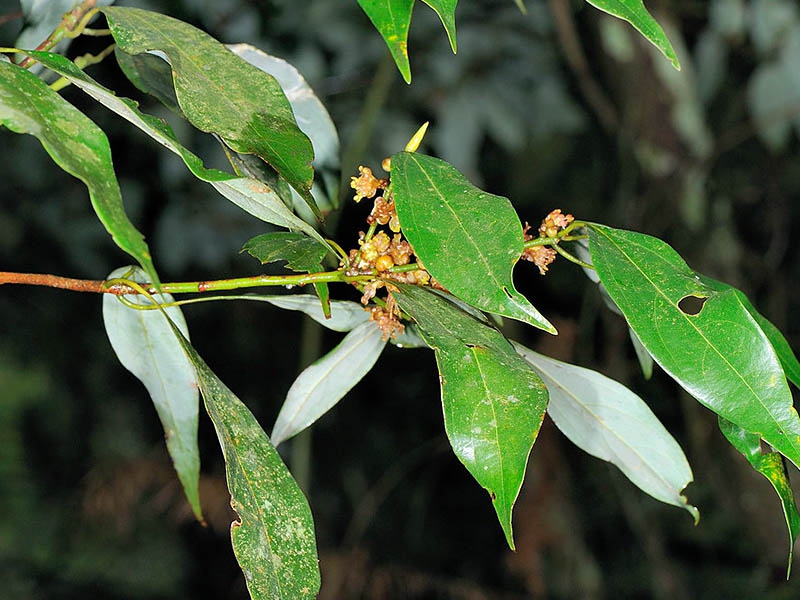
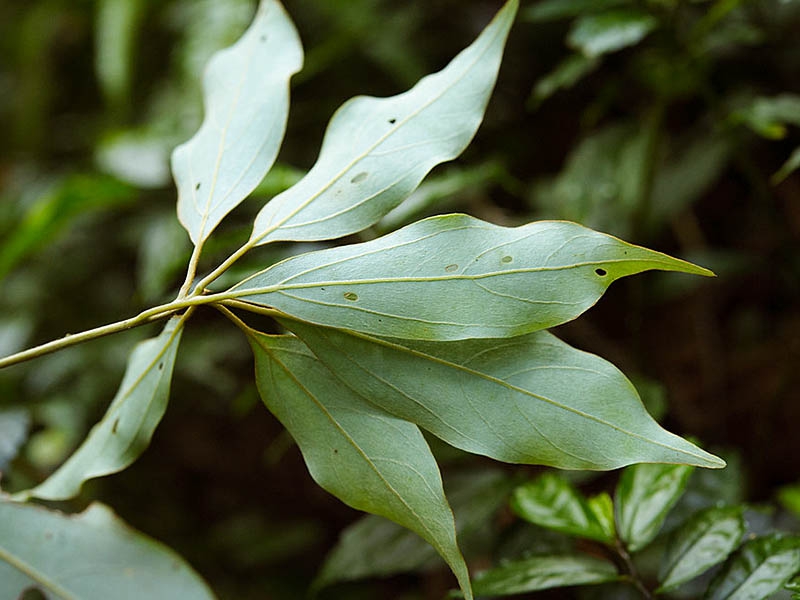
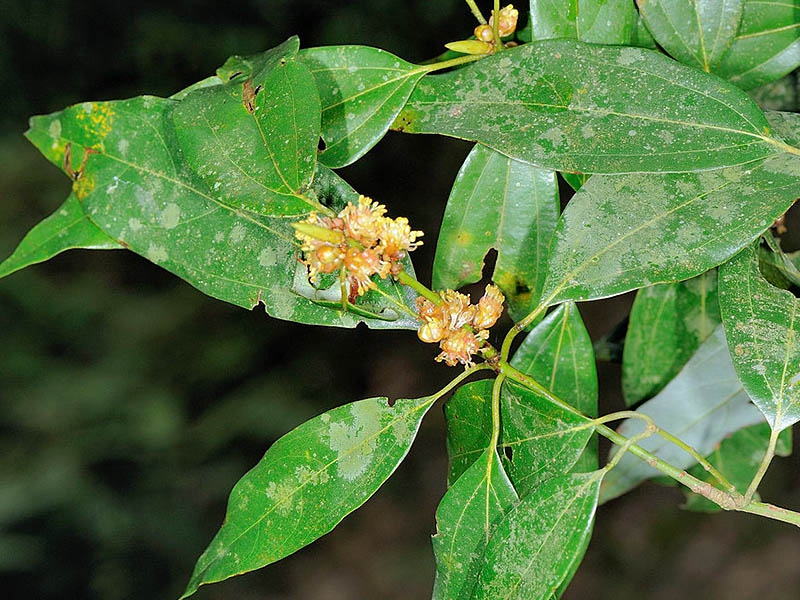
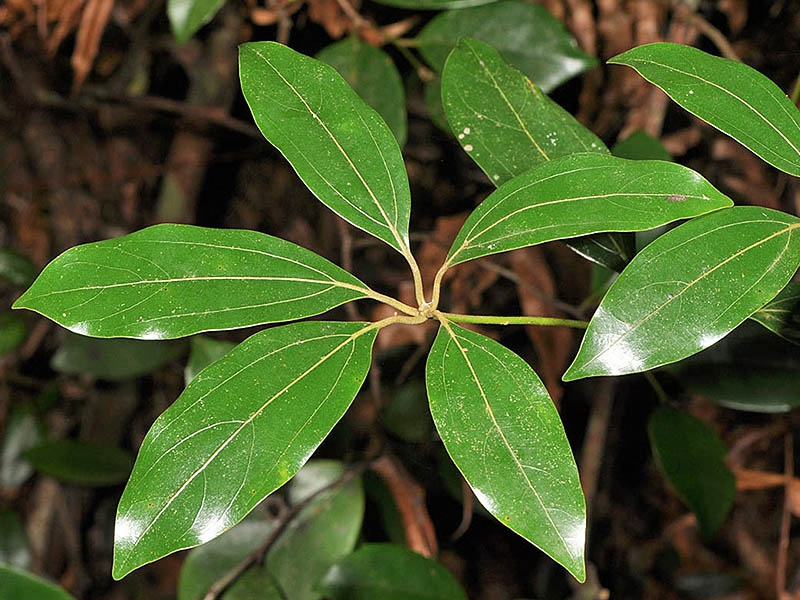
Neolitsea aciculata is a tree distributed in East Asia, including Korea, and is primarily an evergreen tree. The following is information regarding the growth characteristics, propagation methods, cultivation methods, garden uses, major pests and diseases, and control methods of Neolitsea aciculata. Growth Characteristics - Environment: Neolitsea aciculata prefers a moist environment and thrives in partial shade. - Soil: It grows well in fertile, well-drained soil and can tolerate soils ranging from acidic to slightly alkaline. - Growth Rate: It exhibits a moderate growth rate, and mature trees can grow large, reaching heights of over 10 meters. Propagation Methods - Seed Propagation: Seeds can be collected from mature fruits in the autumn and sown immediately, or stored in the refrigerator and sown in early spring. - Propagation by Cuttings: In the summer, you can induce rooting by breaking off semi-hardwood cuttings, treating them with a rooting hormone, and planting them in potting soil. Cultivation Method - Planting: Plant in a location with good drainage and moisture retention, and ensure a sufficient water supply. - Pruning: Major pruning is not necessary, but if needed, you can adjust the shape by pruning during the winter. - Fertilization: It is beneficial to replenish nutrients by providing organic fertilizer periodically. Uses in the Garden - Uses: As an evergreen with beautiful foliage, it is used as an ornamental tree in gardens and parks. It is also suitable as a shade tree. - Placement: It harmonizes well with other plants and blends naturally into arboretums or nature-style gardens. Major Pests and Diseases and Control Methods - Diseases: While generally resistant to disease, root rot may occur due to excessive moisture. - Control: Pay attention to drainage and use fungicides if necessary. - Pests: May be attacked by aphids or scale insects. - Control: Use insecticides in a timely manner or remove them by hand. Natural control using natural enemies may also be considered. Sedum aquiculata is suitable as a garden plant due to its high ornamental value and relatively easy maintenance; when properly cared for according to environmental conditions, it provides a beautiful landscape.
Plant Family
Lauraceae
Height
10m
Colors
red
Bloom Period
March to April
Water Needs
commonly
Exposure
Sunny
Freezing Resistance
-10°C
Chinese quince
Neolitsea sericea
Neomarica Grakilis
Neomarica gracilis