English
한국어
English
Español
中文
हिंदी
Home
News
Community
Dictionary
English
한국어
English
Español
中文
हिंदी
View list
Neomarika Cairulea
Neomarica caerulea
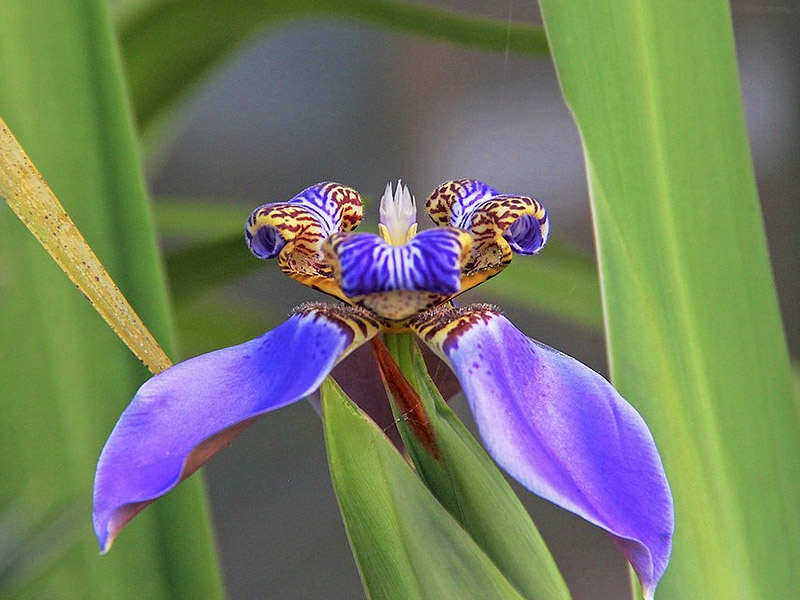
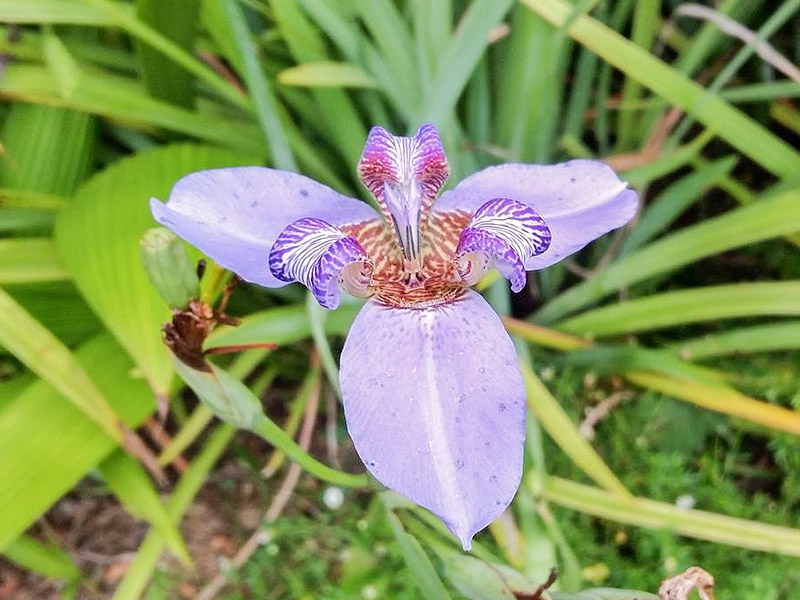
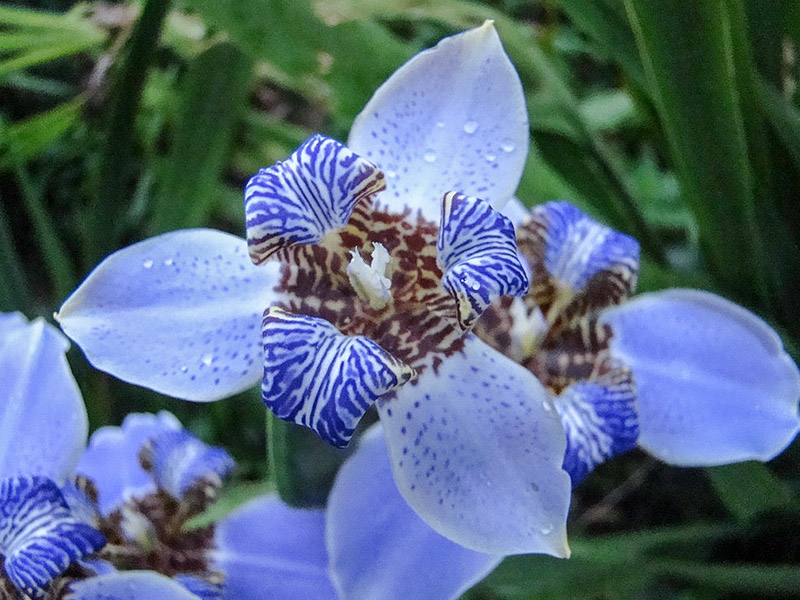
Neomarica caerulea is a perennial herb native primarily to South America that produces beautiful flowers. The following is information regarding this plant's growth characteristics, propagation methods, cultivation methods, garden uses, major pests and diseases, and control methods. - Growth Characteristics: Neomarica caerulea thrives in warm, humid environments. It grows best in partial shade, and leaves may be damaged in areas with excessive sunlight. Well-drained soil is essential, and it grows healthily in an environment rich in organic matter. - Propagation Methods: This plant is primarily propagated by division (root division) or seeds. Division is performed in spring or autumn, where roots are carefully separated and planted. When propagating by seeds, a warm temperature must be maintained for germination. - Cultivation Methods: Neomarica caerulea is planted in well-drained, organic-rich soil. Watering is generally acceptable, but overwatering should be avoided. If planted in a pot, care must be taken to ensure good drainage. Additionally, liquid fertilizer should be applied periodically to provide nutrients. - Use in the Garden: This plant is primarily used for ornamental purposes. It is suitable for decorating the background of gardens or flower beds and is particularly effective in shady locations. Furthermore, the flowers of the Neomarica display beautiful blue or purple hues, adding to its charm during the flowering season. - Major Pests and Control Methods: While Neomarica Cairulea is generally resistant to pests, pests such as aphids or scale insects may occur. To control these, inspect the plant regularly and, if necessary, wipe the leaves with soapy water or use garden insecticides. This information should be helpful for the cultivation and care of Neomarica Cairulea.
Plant Family
Iris family
Height
60~90cm
Spread
90~150cm
Colors
purple
Bloom Period
May~June
Water Needs
commonly
Exposure
semi-shaded area
Freezing Resistance
-5°C
Neomarica Grakilis
Neomarica gracilis
Neoregelia Karolinai
Neoregelia carolinae