English
한국어
English
Español
中文
हिंदी
Home
News
Community
Dictionary
English
한국어
English
Español
中文
हिंदी
View list
Rambutan
Nephelium lappaceum
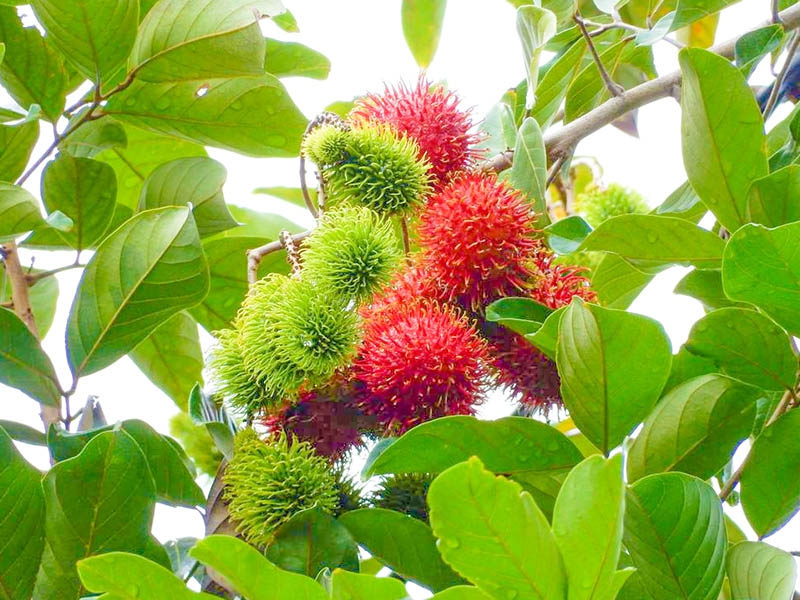
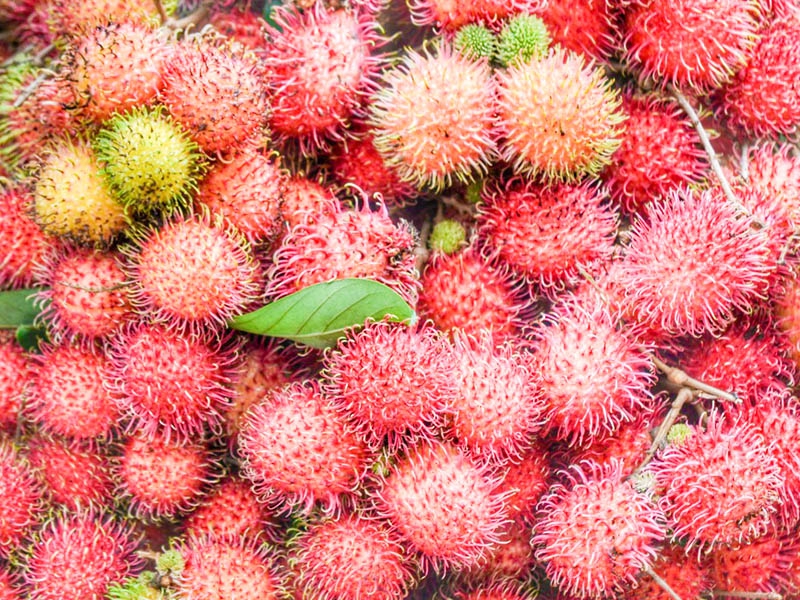
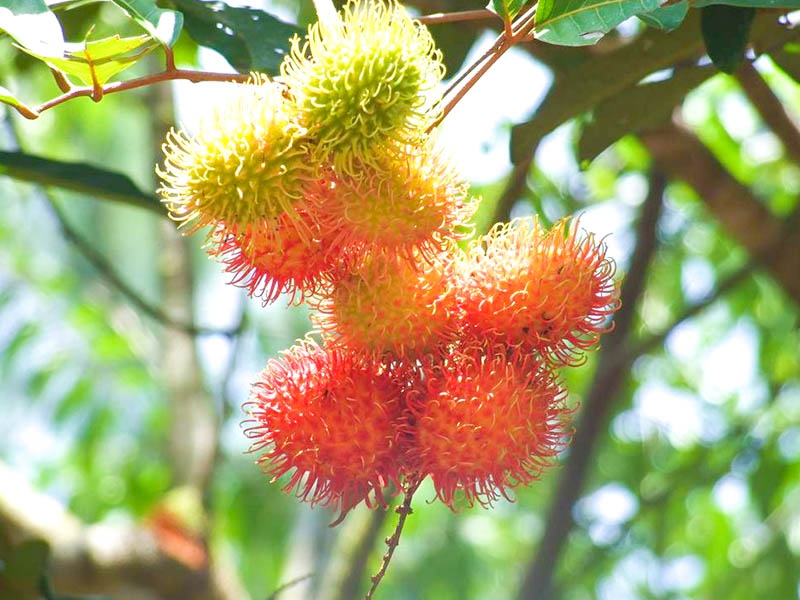
Rambutan (Nephelium lappaceum) is a tropical fruit tree native to Southeast Asia, possessing an attractive appearance and a sweet taste. To cultivate it successfully, it is necessary to understand its growth characteristics, propagation methods, cultivation techniques, garden use, and important pests and diseases, as well as control methods. - Growth Characteristics: - Climate: It prefers a hot and humid tropical climate. It thrives in regions where the average annual temperature remains between 22 and 30°C and the annual rainfall is approximately 1,500 to 3,000 mm. - Soil: It grows well in well-drained soil, and a slightly acidic environment with a soil pH of 5.0 to 6.5 is suitable. - Light Conditions: It requires sufficient sunlight to grow well, but young trees need protection from strong direct sunlight. - Propagation Methods: - Seed Propagation: It can be propagated by seeds, but it may be difficult to preserve the characteristics of the seedlings. - Grafting: Grafting is a common method that can transfer the superior characteristics of the parent tree to the new tree. - Cultivation Method: - Planting Location: It is recommended to plant in a well-drained area and install a windbreak to prevent wind damage. - Watering: Sufficient moisture must be supplied while avoiding overwatering. Adequate watering is particularly necessary during the dry season. - Fertilizer: During the growing season, fertilizers such as nitrogen, phosphorus, and potassium should be supplied in appropriate amounts; utilizing organic fertilizers is also beneficial. - Use in the Garden: - Decorative Value: With its flamboyant appearance and tropical atmosphere, it can be used as a focal point tree in the garden. - Joy of Harvesting: It offers the pleasure of harvesting fresh rambutan at home. - Major Pests and Diseases and Control Methods: - Diseases: Leaf blight and fruit rot may occur. To prevent this, it is important to avoid excessive moisture and immediately remove any diseased parts. - Pests: Pests such as aphids and leaf miners can be a problem. They can be controlled using natural enemies or eco-friendly insecticides. Based on this information, if you manage your rambutan well, you can expect healthy trees and abundant fruit.
Plant Family
Sapindaceae
Height
10∼15m
Colors
green
Bloom Period
April to June
Water Needs
commonly
Exposure
Sunny
Freezing Resistance
-2°C
Nepeta 'Senior'
Nepeta faassenii
'Senior'
Boston fern
Nephrolepis exaltata