English
한국어
English
Español
中文
हिंदी
Home
News
Community
Dictionary
English
한국어
English
Español
中文
हिंदी
View list
Boston fern
Nephrolepis exaltata
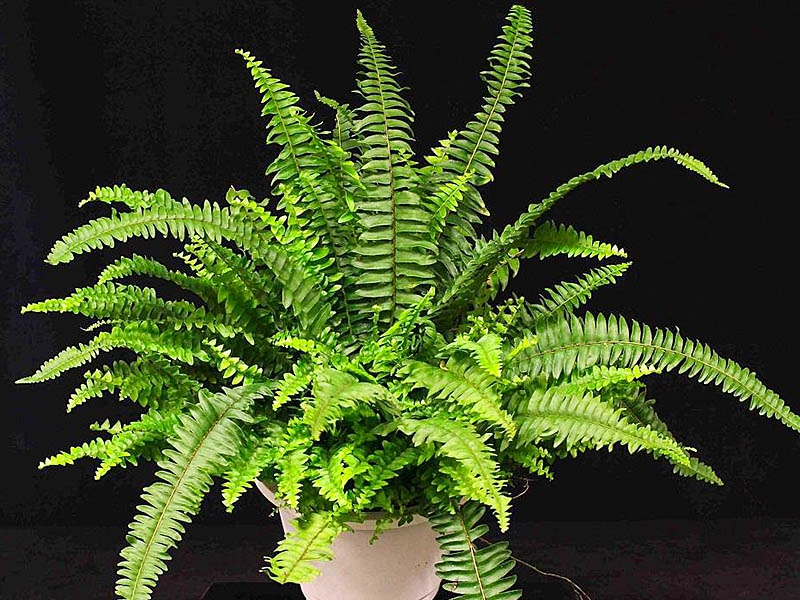
Boston fern Exaltata var. Bostoniensis is a popular ornamental plant for both indoor and outdoor use. The following is information regarding this plant's growth characteristics, propagation methods, cultivation methods, garden uses, and important pests and diseases and control methods. Growth Characteristics - Environmental Requirements: Boston ferns prefer bright, indirect light, and a temperature of 18–24°C is suitable. Exposure to high temperatures or direct sunlight may damage the leaves. - Water Requirements: Boston ferns like high humidity, so it is important to water regularly to keep the soil moist. However, care must be taken to prevent water from pooling and causing the roots to rot. Propagation Methods - Division: Propagation by dividing the roots is common. In spring or early summer, divide a healthy plant and plant it in a new pot. Cultivation Methods - Soil: Use well-draining soil. The soil pH should be slightly acidic to neutral. - Pot Care: Since growth is somewhat slow, a large pot is not necessary; however, if the roots become too dense, consider propagation or transplanting. Uses in the Garden - It is famous as an indoor air-purifying plant and fits well anywhere indoors. Outdoors, placing it in a shady spot provides a good decorative effect. Important Pests and Control Methods - Diseases: Root rot caused by overwatering is the most common problem. To prevent this, pay attention to drainage. - Pests: Scale insects or spider mites can cause problems. They can be removed by washing the leaves with soapy water or using alcohol. - Control Methods: Observe the leaves regularly and take immediate action if any problems arise. If you prefer eco-friendly control, you can use insecticides that are harmless to pets. The Boston fern is a relatively easy plant to care for, but proper watering is essential to maintain its health.
Plant Family
Fern family
Height
50~250cm
Colors
sporophyte
Water Needs
commonly
Exposure
semi-shaded area
Freezing Resistance
-5°C
Rambutan
Nephelium lappaceum
fern
Nephrolepis cordifolia