English
한국어
English
Español
中文
हिंदी
Home
News
Community
Dictionary
English
한국어
English
Español
中文
हिंदी
View list
cigarette
Nicotiana tabacum
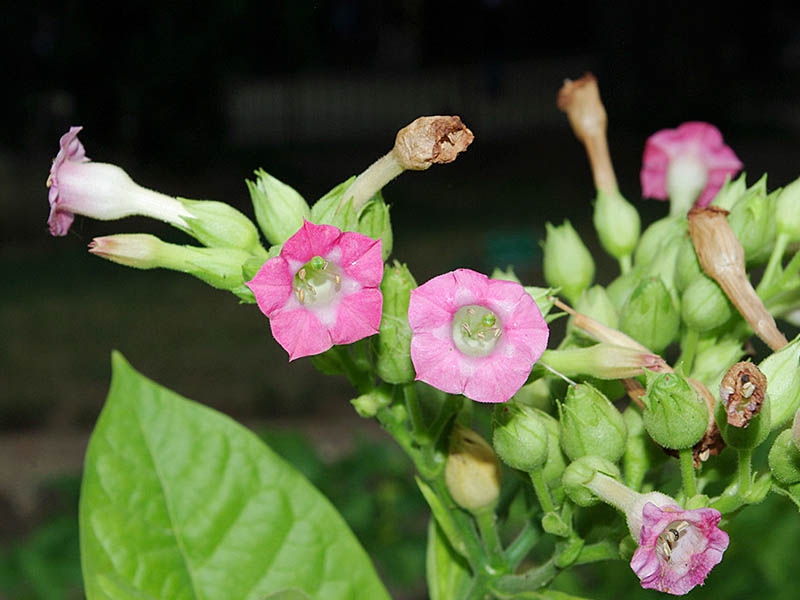
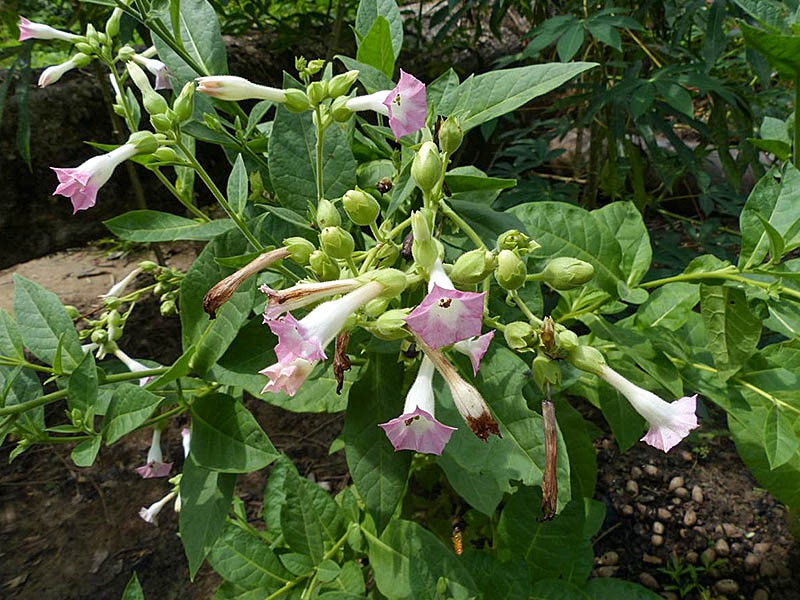
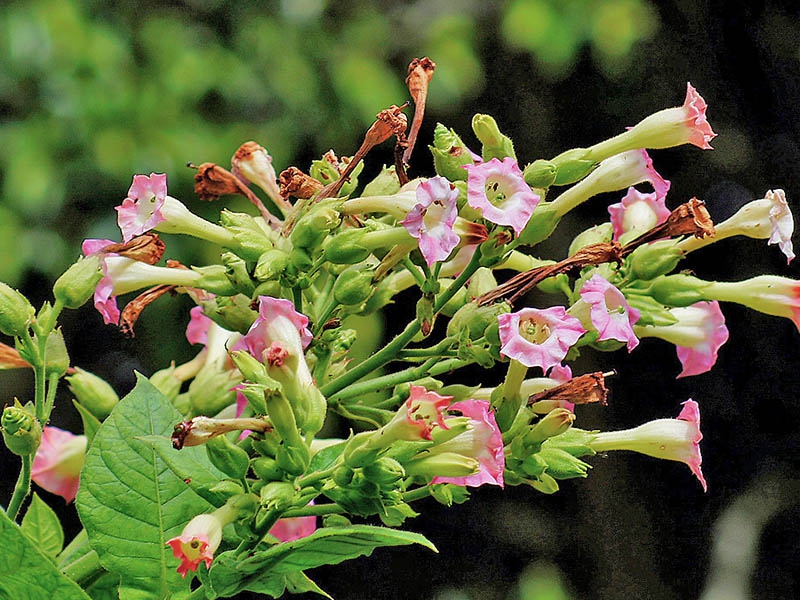
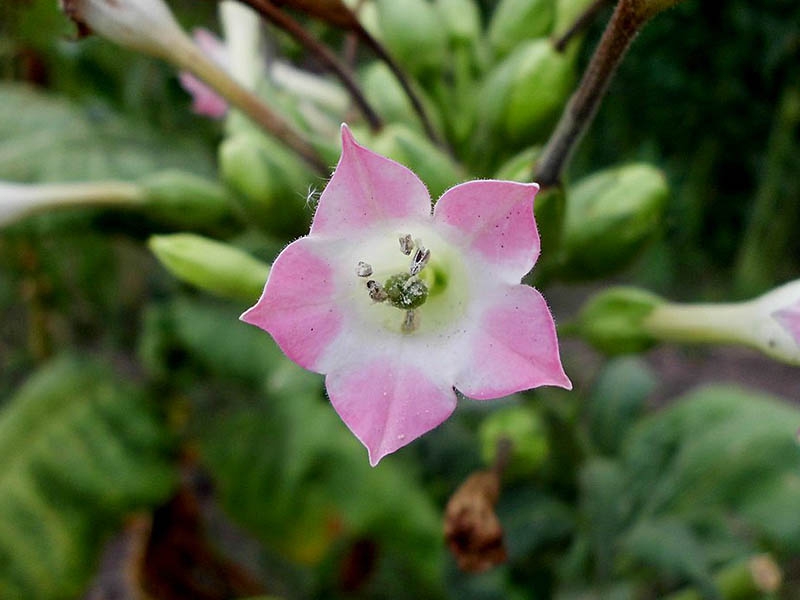
Nicotiana tabacum is a perennial plant belonging to the Solanaceae family, primarily used for tobacco production. The following describes the growth characteristics, propagation methods, cultivation methods, garden uses, and important pests and control methods of Nicotiana tabacum. Growth Characteristics - Ecology: Nicotiana tabacum prefers a warm and humid climate and thrives in environments with ample sunlight. - Leaves: Characterized by broad, large leaves, they are the primary harvested part. - Height: Generally grows to about 1 to 2 meters. Propagation Methods - Seed Propagation: Primarily propagated by seeds. Seeds should be germinated indoors, away from direct sunlight, before being transplanted outdoors. - Sowing Season: Spring is the most suitable season, and maintaining an appropriate temperature ensures a high germination rate. Cultivation Methods - Soil: Fertile, well-drained soil is required. A soil pH of approximately 5.8 to 6.5 is ideal. - Sowing and Transplanting: Transplant seedlings outdoors approximately 8 to 10 weeks after sowing. - Water Management: Watering must be managed properly, and overwatering should be avoided. In particular, a well-drained environment should be created throughout the area. - Fertilizer: Use fertilizer containing a balanced mix of nitrogen, phosphorus, and potassium. Uses in the Garden - Decorative Value: Even without flowering, Tobacco Tabacum has large, lush leaves, making it a visual focal point in the garden. - Border Plant: Its broad leaves allow it to be used as a border or background plant. Important Pests and Control Methods - Powdery Mildew: This is a fungal disease; it can be prevented by avoiding waterlogging and improving air circulation. Antifungal agents can be used for control. - Aphids: They suck sap from the leaves, which can inhibit growth. Control them by using natural predators or washing them off with soapy water. - Leaf Blight: This occurs frequently, especially during the rainy season, causing leaves to turn brown and dry out. Remove infected leaves early and use appropriate fungicides. Consistent management is important at all stages of cultivation, and paying particular attention to pest and disease control is essential to obtaining high-quality crops.
Plant Family
Solanaceae
Height
1.5~2m
Colors
red
Bloom Period
July~August
Water Needs
commonly
Exposure
semi-shaded area
Freezing Resistance
-2°C
Peruvian pod
Nicandra physaloides
Flower Tobacco Alata
Nicotiana alata