English
한국어
English
Español
中文
हिंदी
Home
News
Community
Dictionary
English
한국어
English
Español
中文
हिंदी
View list
Nigella
Nigella damascena
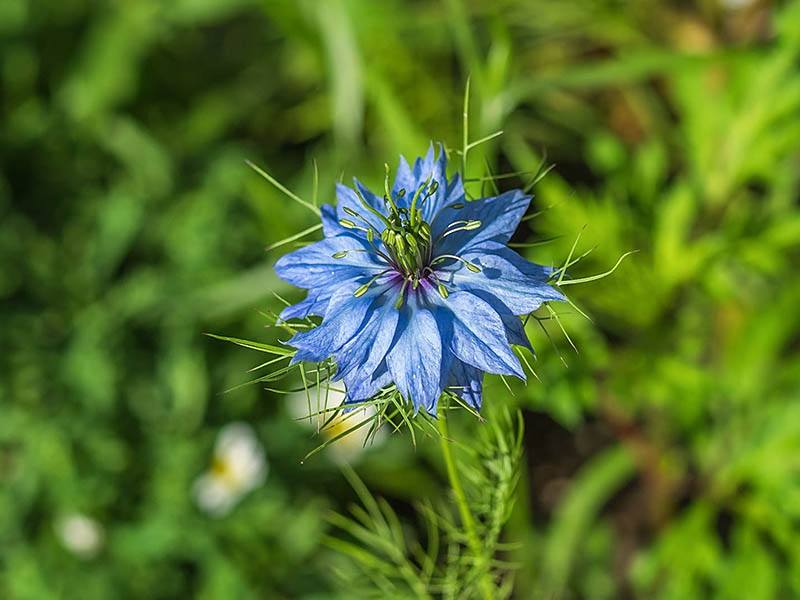
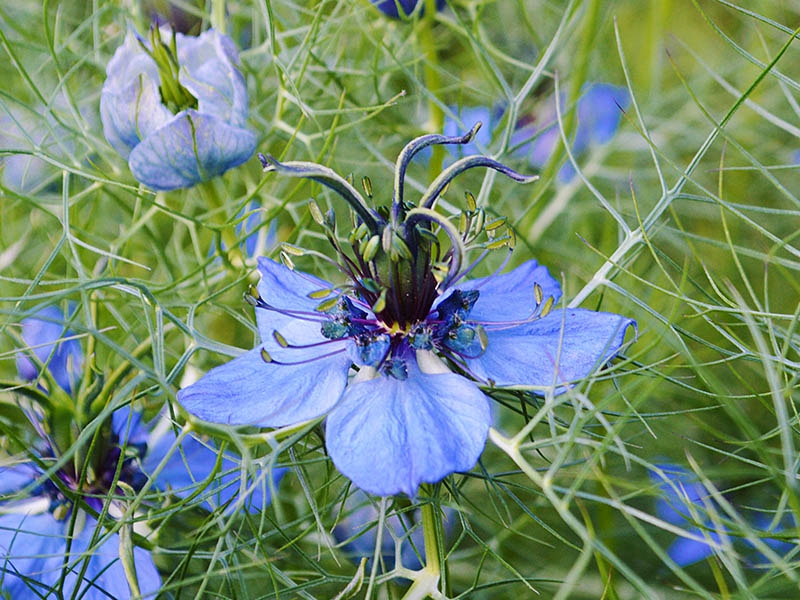
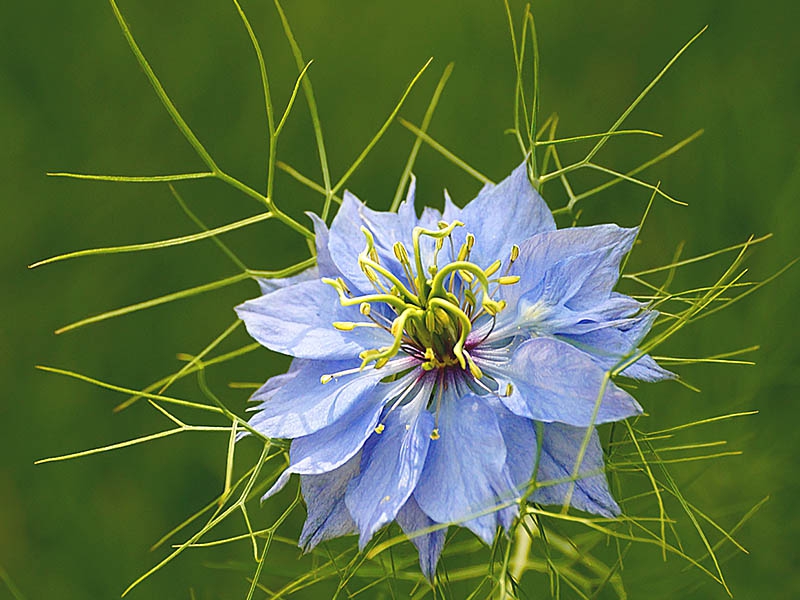
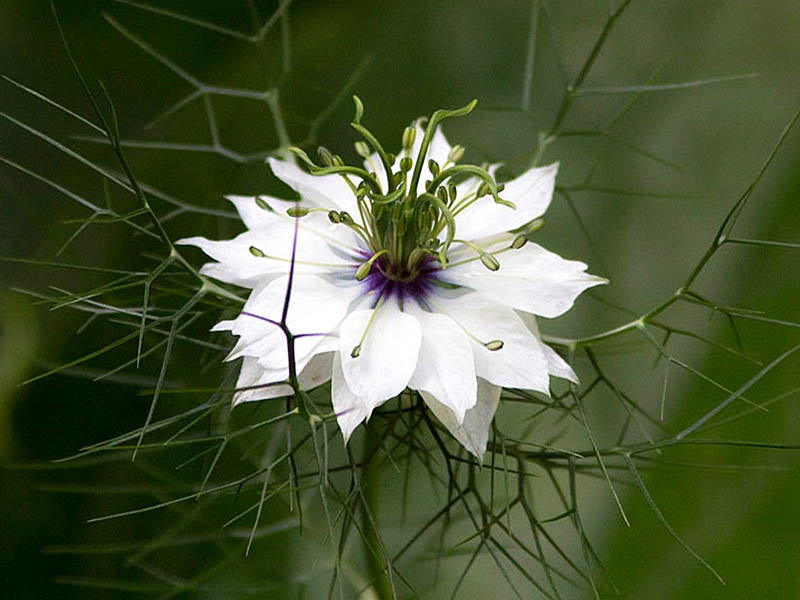
Nigella damascena is an annual herbaceous plant native to Europe and West Asia, featuring attractive flowers and unique leaves. I will explain the plant's growth characteristics, propagation methods, cultivation techniques, garden uses, and major pests and diseases, as well as control methods. Growth Characteristics - Scientific Name: Nigella damascena - Height: Typically grows to about 30–50 cm. - Leaves: Has slender, delicate, thread-like leaves. - Flowers: Flowers bloom in various colors, including blue, white, and purple, and a uniquely shaped fruit forms in the center of the flower. - Flowering Season: Flowers bloom mainly in early summer. Propagation Methods - Seeds: Primarily propagated by seeds; they can be sown directly in the spring or transplanted after seedling cultivation. - Planting Season: Spring is the most suitable season, and it is recommended to plant after the last frost. Cultivation Methods - Soil: Prefers fertile, well-drained soil. - Location: A sunny location is ideal. - Watering: Be careful to avoid overwatering and ensure good drainage. - Fertilization: General ornamental fertilizers are sufficient. Uses in the Garden - Nigella is beautiful in itself, making it suitable for planting alone in the garden or harmonizing well with other flowers. - The unique shape of the fruit remaining after the flowers fade makes it popular as a dried flower. Important Pests and Control Methods - Diseases: Be careful of root rot caused by overwatering. This can be prevented through proper watering and drainage. - Pests: Nigella is relatively resistant to pests and diseases, but it may occasionally be damaged by aphids or snails. - Aphids can be removed using soapy water, and biological control can help restore the natural balance. - Snails can be removed manually or controlled using a mulch. Nigella is relatively easy to care for, making it a suitable plant for gardening beginners. As long as the right environment is provided, you can enjoy its beautiful flowers.
Plant Family
Ranunculaceae
Height
50~80cm
Colors
White, blue, purple
Bloom Period
June~July
Water Needs
commonly
Exposure
Sunny
Freezing Resistance
-15°C
Nidularium fulgens
Nidularium fulgens
Nigella 'Miss Jekyll'
Nigella damascena
'Miss Jekyll'