English
한국어
English
Español
中文
हिंदी
Home
News
Community
Dictionary
English
한국어
English
Español
中文
हिंदी
View list
Water lotus
Nuphar japonica
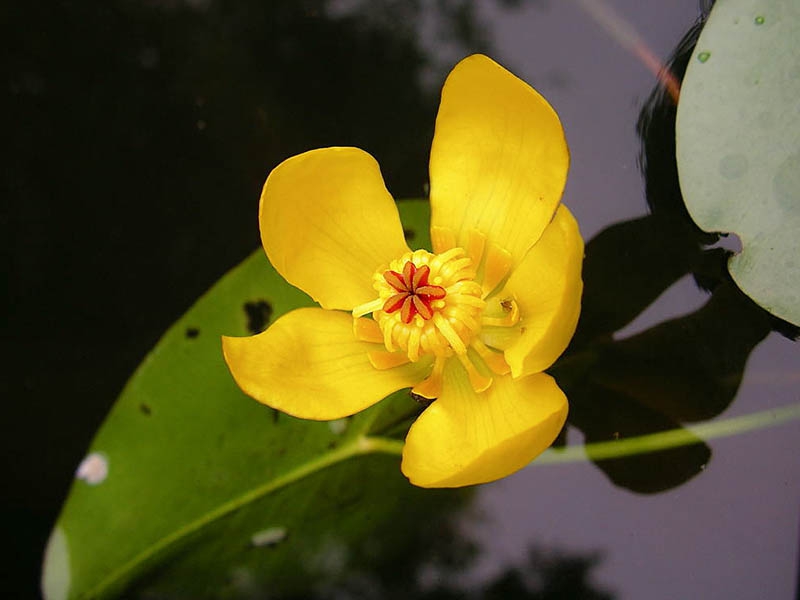
Water lilies (Nuphar japonica) are aquatic plants characterized by their ability to thrive in various aquatic environments. I will explain the plant's growth characteristics, propagation methods, cultivation methods, garden uses, major pests and diseases, and control methods. - Growth Characteristics: - It grows naturally in wetlands, primarily ponds, riverbanks, and swamps. - The roots are deeply embedded in the mud, while the leaves and flowers emerge above the water. - It blooms with yellow flowers in the summer, which aids in propagation through pollination. - Propagation Methods: - Seed propagation: Seeds form in the fruit after the flowers fade, allowing for natural reproduction. - Root division: It can be propagated artificially by cutting the roots. - Cultivation Methods: - Select a location where it can receive ample sunlight. - It is suitable for ponds or aquariums, with a water depth of approximately 30 to 60 cm being appropriate. - Use well-draining soil and provide sufficient organic matter. - Use in Gardens: - It is effective for enhancing the landscape of aquatic gardens or waterside areas. - It harmonizes with other aquatic plants to create a beautiful scenery. - Major Pests and Control Methods: - Pests and diseases are relatively rare, but caution is required as mold can develop on the leaves. - If disease occurs, remove the affected leaves and use appropriate eco-friendly insecticides if necessary. - To prevent pests, keep the water clean regularly and observe the plants periodically. Water lilies are relatively easy-to-care-for aquatic plants; provided the right environment is provided, they can be grown beautifully in the garden.
Plant Family
Training and
Height
20~30cm
Colors
yellow
Bloom Period
August~September
Water Needs
well
Exposure
Sunny
Freezing Resistance
-15°C
Japanese water lily
Nuphar pumila
Water lily
Nuphar subintegerrimum