English
한국어
English
Español
中文
हिंदी
Home
News
Community
Dictionary
English
한국어
English
Español
中文
हिंदी
View list
Training 'Trudy Slocum'
Nymphaea hybrid
'Trudy Slocum'
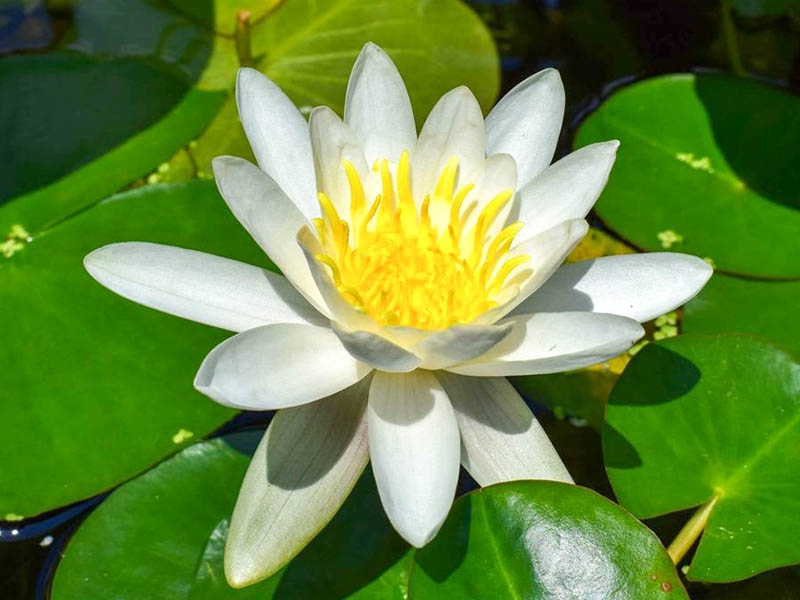
Characteristics and Cultivation Information of the Water Lily 'Trudy Slocum' (Nymphaea hybrid 'Trudy Slocum') #Growth Characteristics - Leaves and Flowers: 'Trudy Slocum' has broad, round leaves and blooms with large, fragrant white flowers in the summer. - Growing Environment: Water lilies thrive in sunny locations. An ideal water depth is approximately 30-60 cm. #Propagation Methods - Seeds: Propagation by seeds is possible, but it takes a long time and can result in significant variation. - Root Division: This is the most common method; propagation is performed by dividing the roots in spring or early summer. #Cultivation Methods - Water Quality: It grows well in clean, nutrient-rich water. Additionally, frequent water changes are beneficial. - Fertilizer: During the growing season, natural liquid fertilizers or slow-release fertilizers can be used to provide nutrients. #Uses in Gardens - Decorative Value: Water lilies are used to decorate ponds, tanks, and garden ponds. The sight of flowers floating on the calm water surface is visually stunning. #Important Pests and Control Methods - Diseases: Water lilies are generally resistant to disease, but fungal diseases can occur in humid environments, so water replacement and ventilation are necessary. - Pests: Pests such as water lily mites can be removed by hand or treated with eco-friendly insecticides. - Control Methods: Regular water replacement and creating an environment that prevents eutrophication are important. It is effective to detect pests early and take prompt action when they occur. Based on the information above, you can grow the water lily 'Trudy Slowum' healthily and beautifully.
Plant Family
Training and
Height
15~25cm
Spread
150~240cm
Colors
white
Bloom Period
June to August
Water Needs
well
Exposure
Sunny
Freezing Resistance
-30°C
Water lily colorata
Nymphaea colorata
Training 'Tina'
Nymphaea
'Tina'