English
한국어
English
Español
中文
हिंदी
Home
News
Community
Dictionary
English
한국어
English
Español
中文
हिंदी
View list
Cold vinegar
Veronicastrum sibiricum
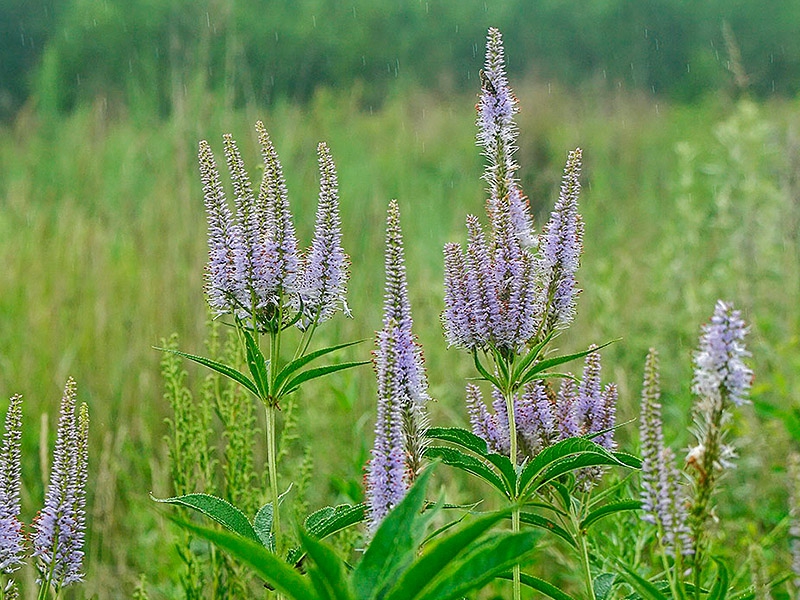
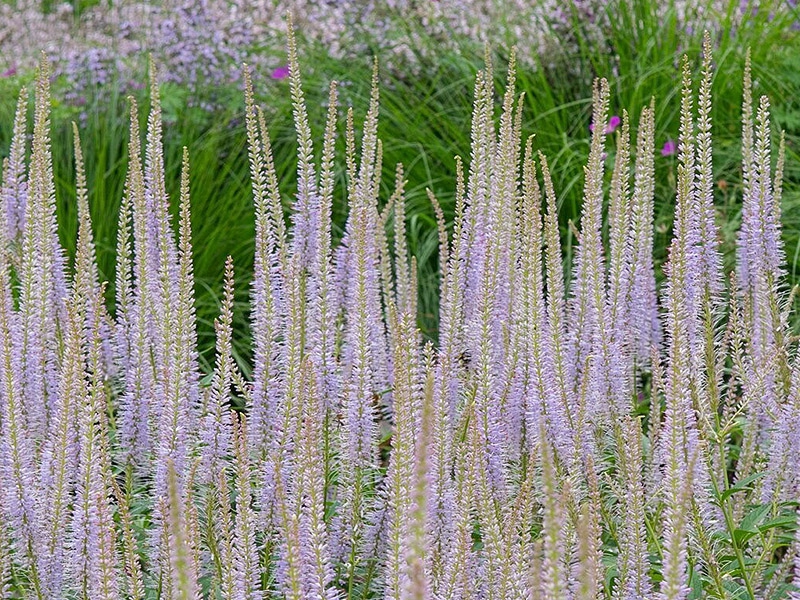
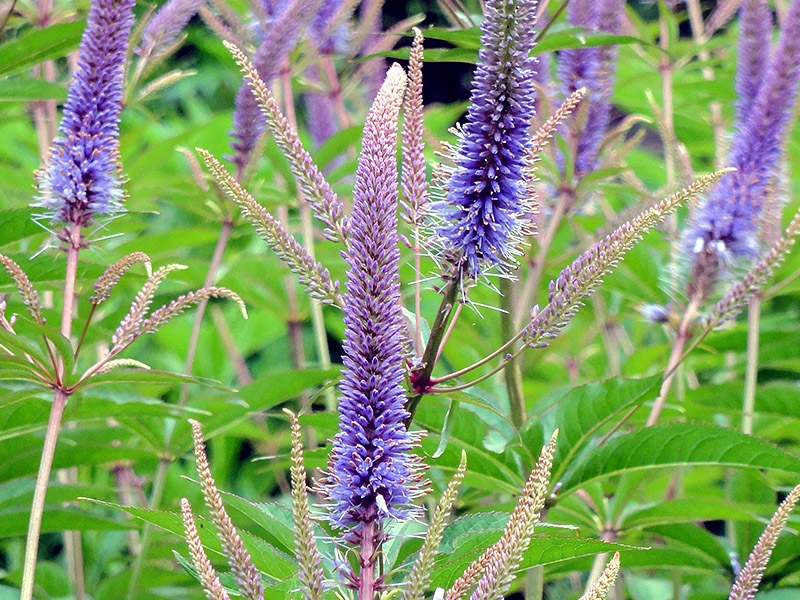
Veronicastrum sibiricum is a perennial herbaceous plant native primarily to East Asia, including Korea, China, and Japan. The following describes the growth characteristics, propagation methods, cultivation methods, garden uses, and major pests and diseases, as well as control methods. Growth Characteristics - Height: It can grow from 1m to 1.5m and is characterized by its upright stems. - Leaves: The leaves are opposite or whorled; they are long elliptical with slightly serrated margins. - Flowers: They bloom from summer to early autumn, forming long racemes with small flowers ranging from pale purple to violet. - Environment: Veronicastrum thrives in sunny locations and prefers well-drained soil. Propagation Methods - Seeds: It can be propagated by seeds, which are typically sown in the spring. It is recommended to sow at cool temperatures to increase germination rates. - Propagation by Cuttings: Propagation is also possible through stem cuttings in the summer. The cuttings should be placed in a location where they can receive indirect sunlight while maintaining moisture. Cultivation Method - Soil: Choose well-draining soil, preferring soil rich in high-quality organic matter. - Watering: Excessive watering can lead to root rot, so water only when necessary. - Fertilizer: It is recommended to replenish nutrients using slow-release fertilizer in early spring and early summer. Uses in the GardenDryweed has high ornamental value and is frequently used as a border plant or background plant in gardens. Its long flower clusters are beautiful and can add a focal point to a summer garden. It can be planted alongside other wildflowers to create a natural look. Important Pests and Control Methods - Diseases: Root rot can occur in overly wet environments. Pay attention to drainage, and use antimicrobial agents as a preventive measure if necessary. - Pests: Ladybugs or aphids may occur; these can be controlled using natural predators or insecticides if necessary. - Prevention: Planting at appropriate intervals to ensure proper air circulation and removing weeds around the plants can help prevent pests and diseases. Clematis is a relatively easy plant to care for, and it can grow beautifully in the garden provided the right environment is provided.
Plant Type
Plant Family
Scrophulariaceae
Height
50~90cm
Spread
Colors
purple
Bloom Period
July~August
Water Needs
commonly
Exposure
Sunny
Freezing Resistance
-30°C
Flower tail grass 'Atomic Amethyst Ray'
Veronica spicata 'Atomic Amethyst Ray'
Virginia grass 'Diane'
Veronicastrum virginicum 'Diane'