English
한국어
English
Español
中文
हिंदी
Home
News
Community
Dictionary
English
한국어
English
Español
中文
हिंदी
View list
Water lily
Nymphoides coreana
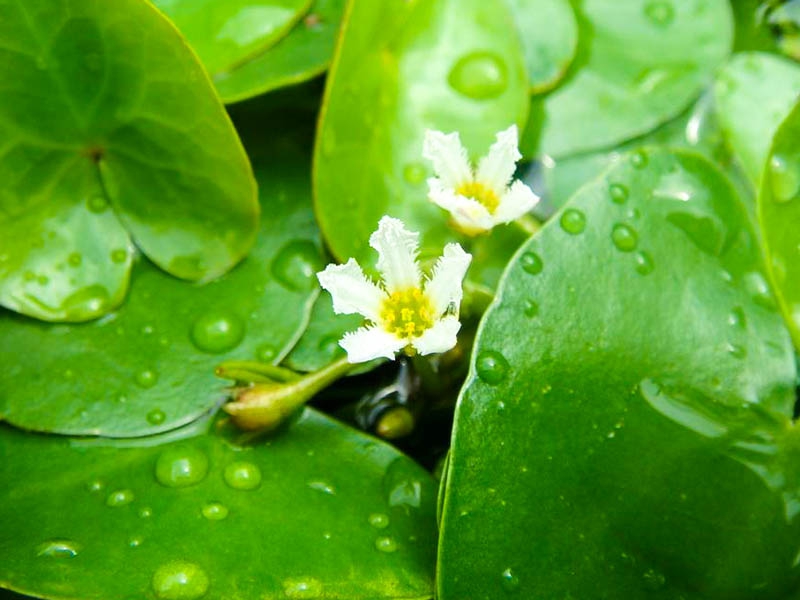
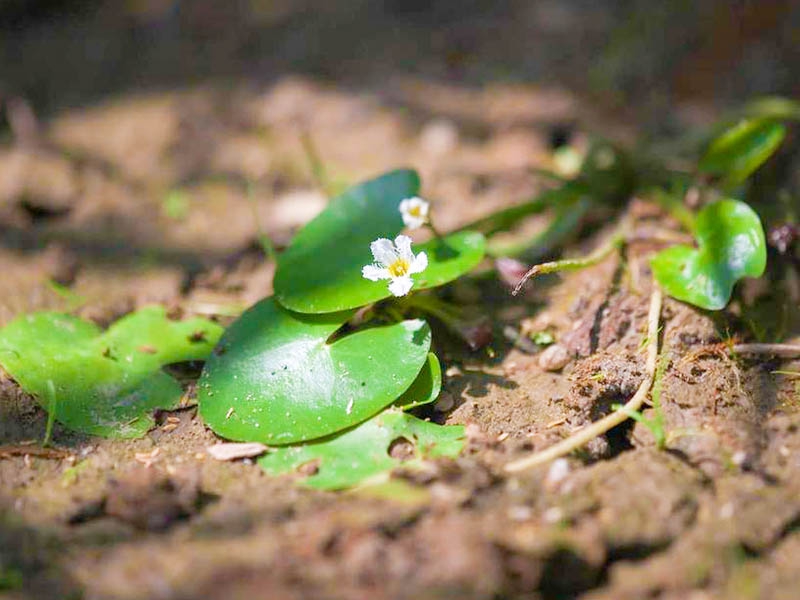
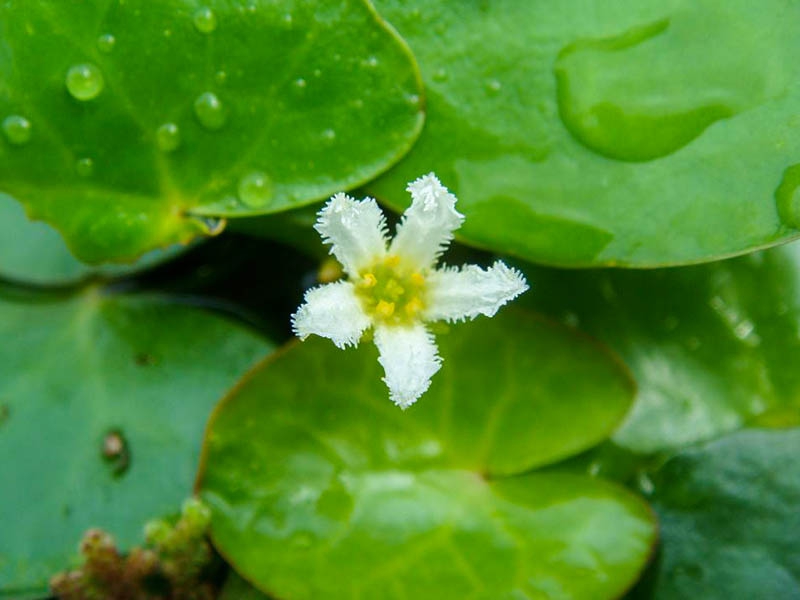
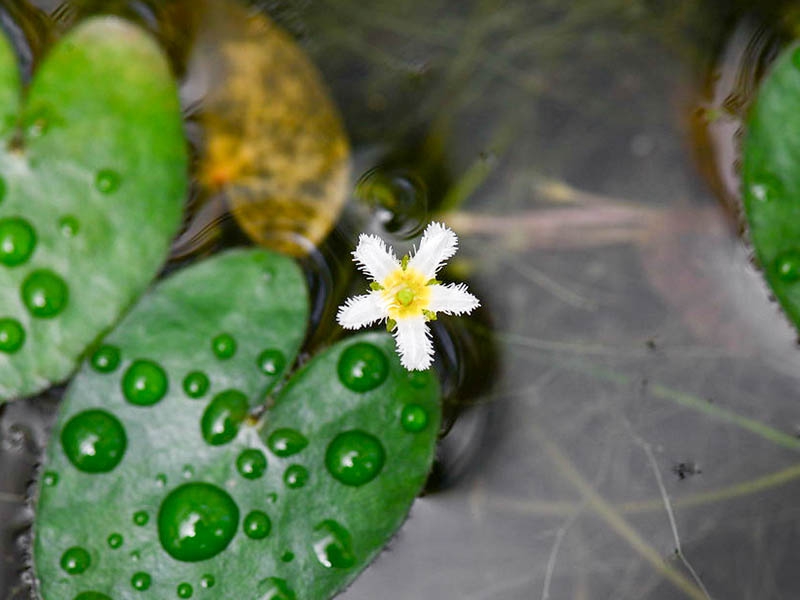
Growth Characteristics of Nymphoides coreana Nymphoides coreana is an aquatic plant that primarily grows in wetlands such as rice paddies, ponds, and swamps. It prefers bright sunlight and is characterized by its growth pattern where it roots underwater, with its leaves and flowers floating on the water's surface. It typically grows to a height of 10 to 30 cm and blooms with small yellow flowers during the summer. Propagation Methods Nymphoides coreana is mainly propagated through seeds and root division. After maturing, seeds float on the water and settle in new locations. Root division is a method of detaching a portion of the root from the parent plant and planting it in a new location. Cultivation Methods - Location: It thrives in ponds or tanks located in sunny spots. - Soil: Nutrient-rich underwater soil, such as clay, is ideal. - Water Management: Maintain a constant water depth. Ideally, the water temperature should be kept between 20 and 28 degrees Celsius during the summer. Use in the Garden The small water lily provides a beautiful landscape in itself, making it suitable for use as a decoration in garden ponds or aquariums. It adapts well to small ponds, making it suitable for growing in home gardens. Important Pests and Control Methods - Diseases: Problems such as rotting of connected parts or spots on the leaves may occur. In such cases, it is important to immediately remove the diseased parts. - Pests: Water fleas and various types of aquatic insects can cause damage. Pests can be controlled using biological control methods or appropriate insecticides. - Prevention: Maintaining good hygiene and managing water quality by regularly changing the water is of utmost importance.
Plant Family
Water celery and
Height
1~10cm
Colors
white
Bloom Period
June~July
Water Needs
well
Exposure
Sunny
Freezing Resistance
-10°C
water lily
Nymphoides indica
Water lily Geminata
Nymphoides geminata