English
한국어
English
Español
中文
हिंदी
Home
News
Community
Dictionary
English
한국어
English
Español
中文
हिंदी
View list
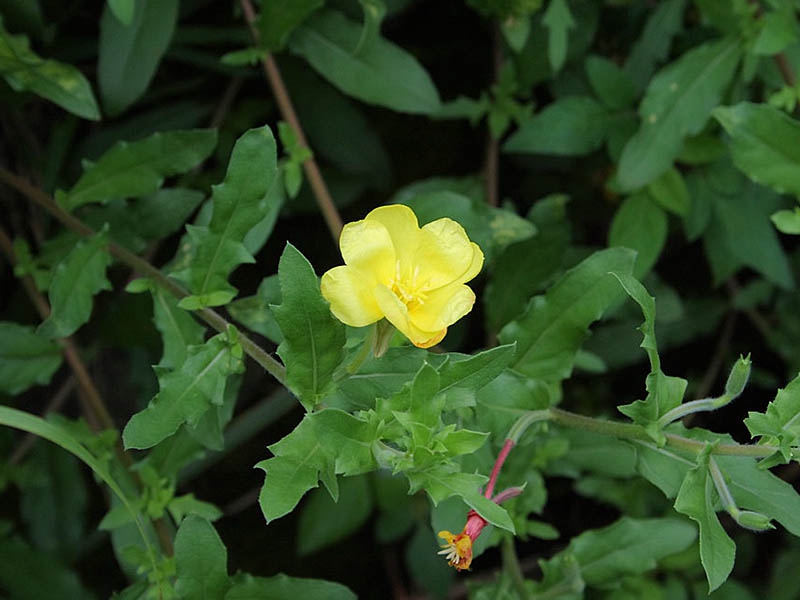
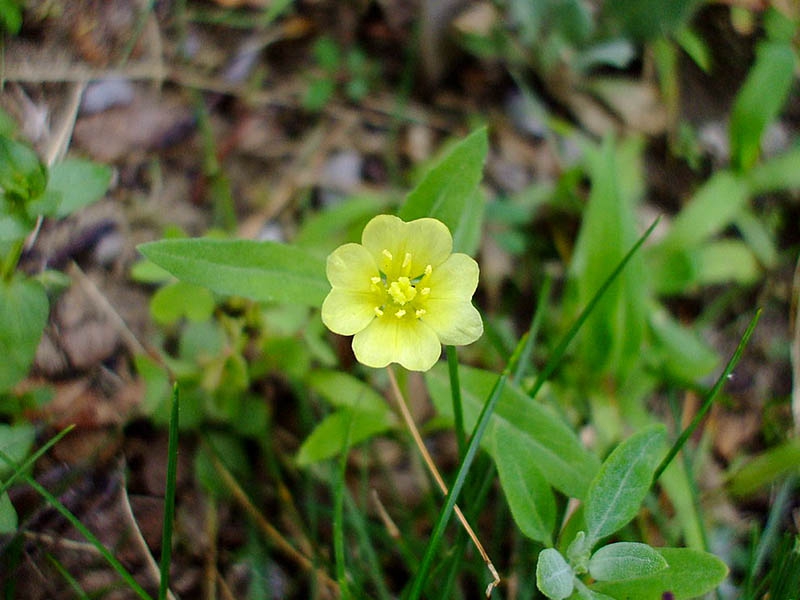
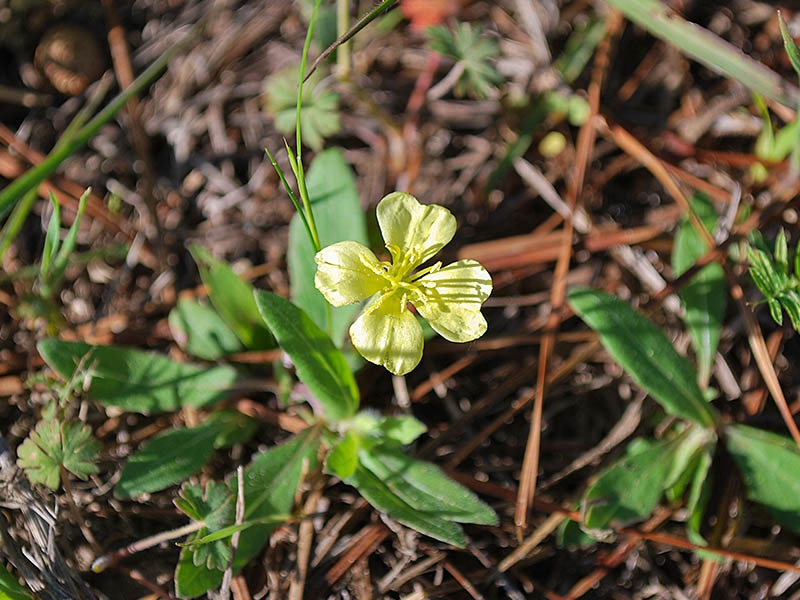
Evening primrose
Oenothera laciniata
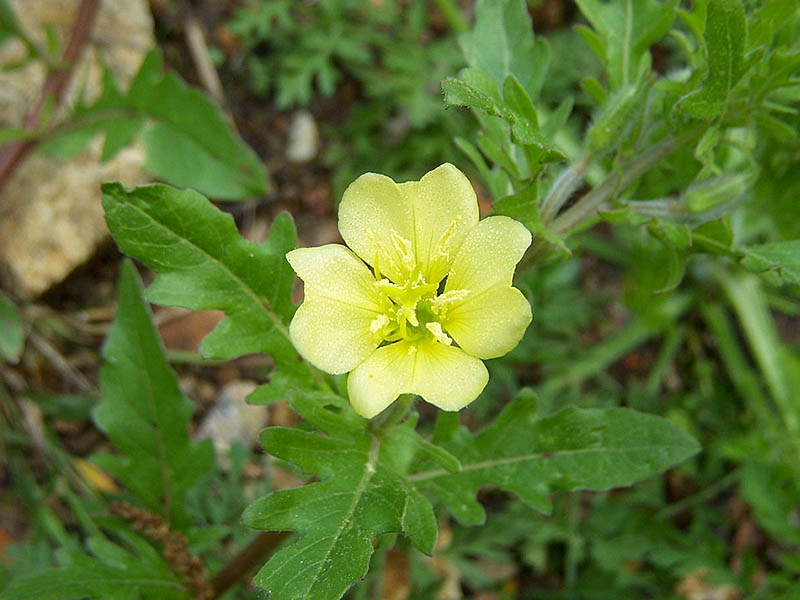
Oenothera laciniata has the following growth characteristics, propagation methods, cultivation methods, garden uses, and major pests and diseases, as well as control methods. Growth Characteristics - Ecology: Oenothera laciniata is a perennial herbaceous plant that thrives primarily in sunny locations. It tends to adapt and grow in diverse environments without being significantly constrained by soil conditions. - Size: It typically grows to a height of 10 to 30 cm, and its stems are semi-erect. - Flowers: The flowers are mainly yellow and bloom between summer and autumn. Propagation Methods - Seed Propagation: Oenothera laciniata is primarily propagated by seeds. After flowering, the seeds ripen and disperse, which can be collected and sown in the spring. - Self-Propagation: In addition to seeds, it can naturally propagate through rhizomes that spread outwards. Cultivation Methods - Soil: Well-drained sandy soil is ideal, and it grows better in fertile soil. - Sunlight: It grows best in areas with ample sunlight, but can also grow to some extent in partial shade. - Watering: It is relatively drought-tolerant, but watering is necessary during prolonged droughts. Adequate moisture supply is required in well-drained soil. Garden Uses - Landscape Creation: The yellow flowers provide a bright accent to the garden, and its naturally spreading nature allows it to form clusters, making it suitable for landscape planting. - Flowerbed and Border Plant: Its small, dense form makes it suitable for planting along the borders or fronts of flowerbeds. Important Pests and Control Methods - Diseases: Root rot can occur due to excessive moisture, so proper drainage management is important. - Pests: It is generally resistant to diseases and pests, but aphids or mites may rarely occur. - Control Methods: If aphids appear, use soapy water for control or consider biological control using natural enemies. If management is difficult, control can be achieved using appropriate chemical agents. Evening primrose (Lachiniata) is relatively easy to care for and grows well in both shade and sunlight, making it a useful plant for garden landscaping.
Plant Family
Onagraceae
Height
40cm
Colors
yellow
Bloom Period
June to August
Water Needs
commonly
Exposure
semi-shaded area
Freezing Resistance
-30°C
Evening Primrose Odorata
Oenothera odorata
Long-leaved evening primrose
Oenothera stricta