English
한국어
English
Español
中文
हिंदी
Home
News
Community
Dictionary
English
한국어
English
Español
中文
हिंदी
View list
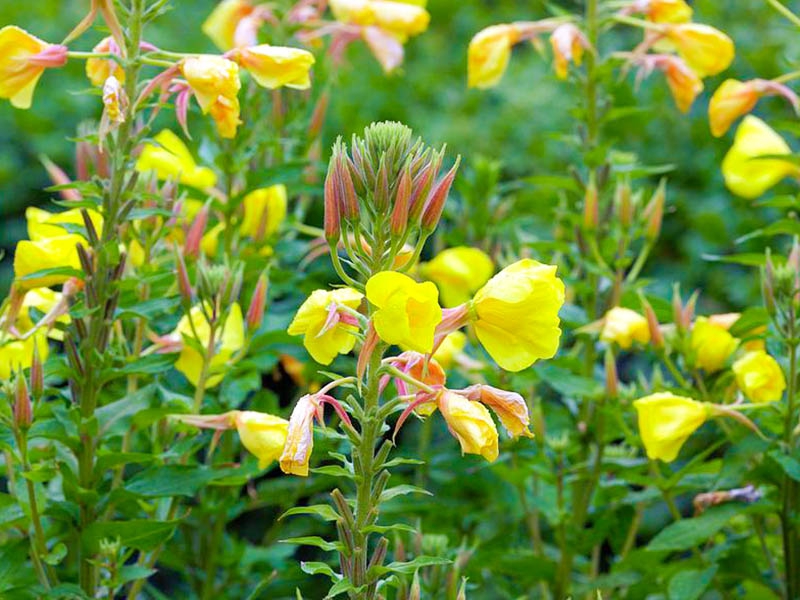
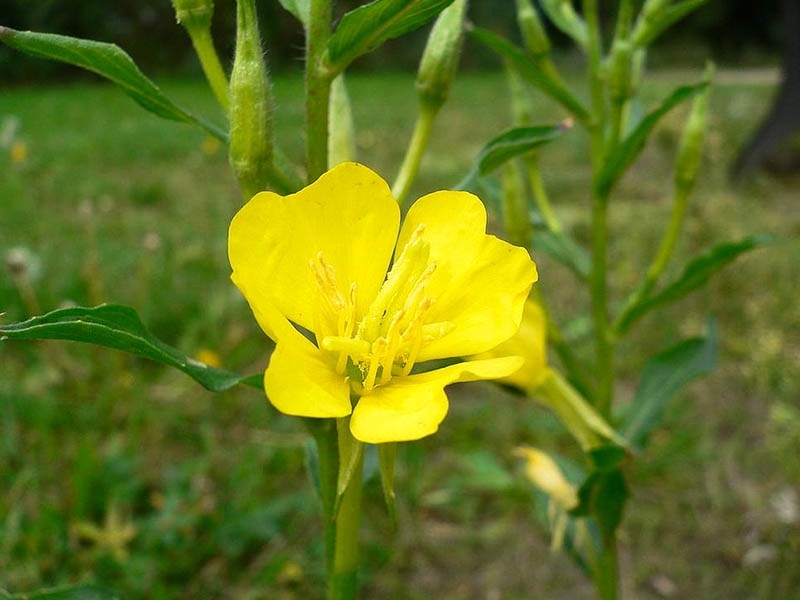
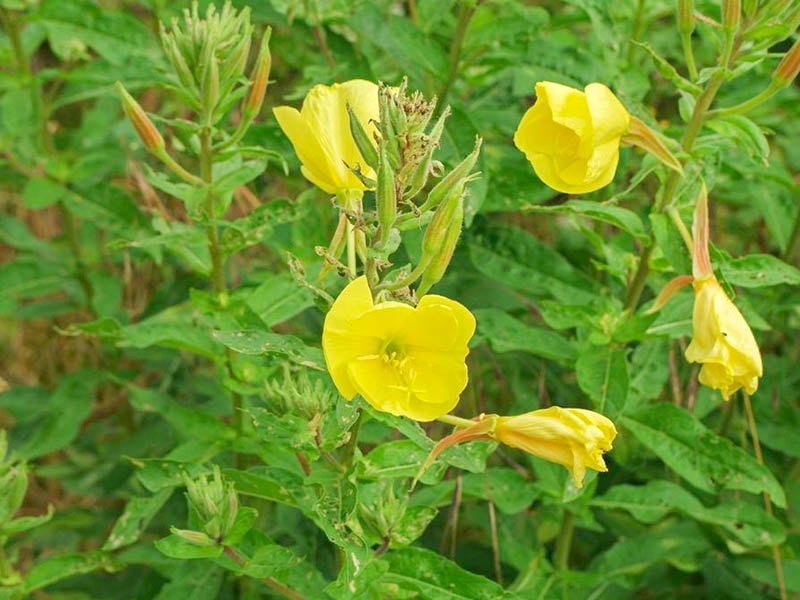
Evening primrose
Oenothera biennis
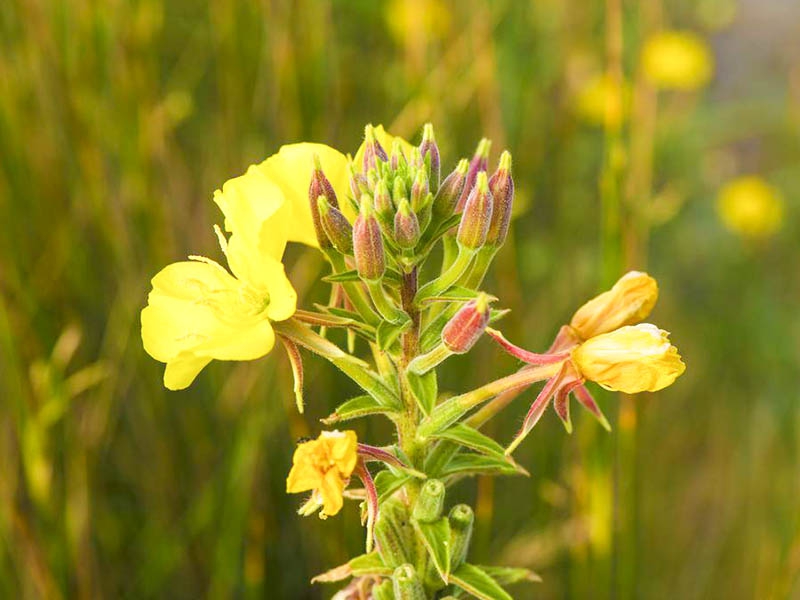
Evening Primrose (Oenothera biennis) has the following growth characteristics: Growth Characteristics - Growth Environment: Evening primrose thrives in sunny locations and prefers well-drained soil. It grows relatively well even in sandy soil. - Size: It typically grows to a height of 60 cm to 150 cm, and its leaves are alternate and elongated. - Flowering Season: It blooms mainly from summer to autumn, and its yellow flowers are a distinctive feature. Propagation Methods - Seeds: Evening primrose is primarily propagated by seeds. Seeds can be sown directly in spring or autumn, or seedlings can be grown indoors and transplanted. - Self-propagation: In favorable environments, seeds fall and reproduce naturally. Cultivation Methods - Sowing: Sow seeds directly after the first frost in spring or in autumn. - Watering: Appropriate watering is necessary during dry periods, but overwatering should be avoided. 3. Fertilizer: No special fertilizer is required; using a small amount of organic fertilizer promotes healthier growth. Garden Use - It is suitable as a border plant or for ornamental purposes, and its colorful flowers can be enjoyed, especially in a Drew Garland. Important Pests and Control Methods - Diseases: Evening primroses are relatively resistant to disease, but root rot may occur with excessive nitrogen. - Response: Improve drainage and use appropriate fertilizer. - Pests: Aphids and butterfly larvae may occur. - Response: Apply organic pesticides early and remove by hand if necessary. Evening primroses are relatively easy to care for and can be easily grown in the garden under suitable conditions.
Plant Family
Onagraceae
Height
60~120cm
Colors
yellow
Bloom Period
July to September
Water Needs
commonly
Exposure
Sunny
Freezing Resistance
-30°C
Long-leaved evening primrose
Oenothera stricta
Pali evening primrose
Oenothera pallida