English
한국어
English
Español
中文
हिंदी
Home
News
Community
Dictionary
English
한국어
English
Español
中文
हिंदी
View list
Evening primrose
Oenothera caespitosa
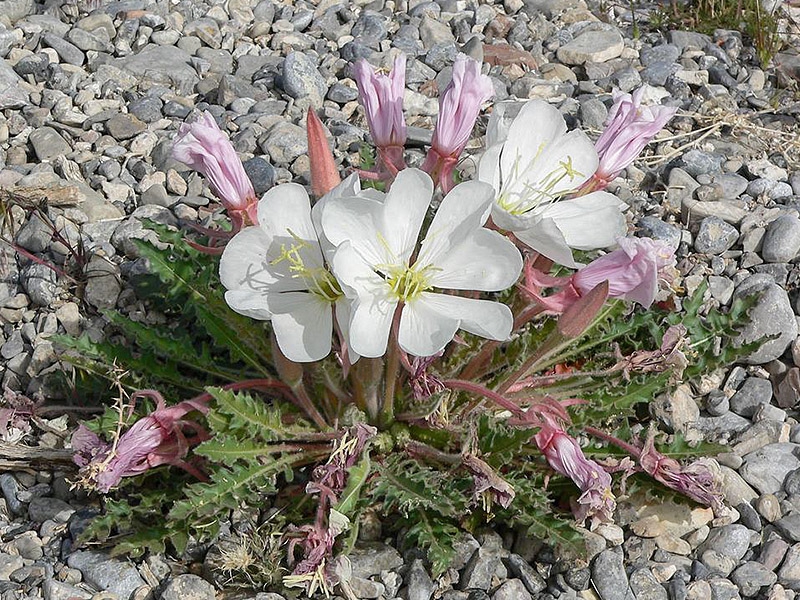
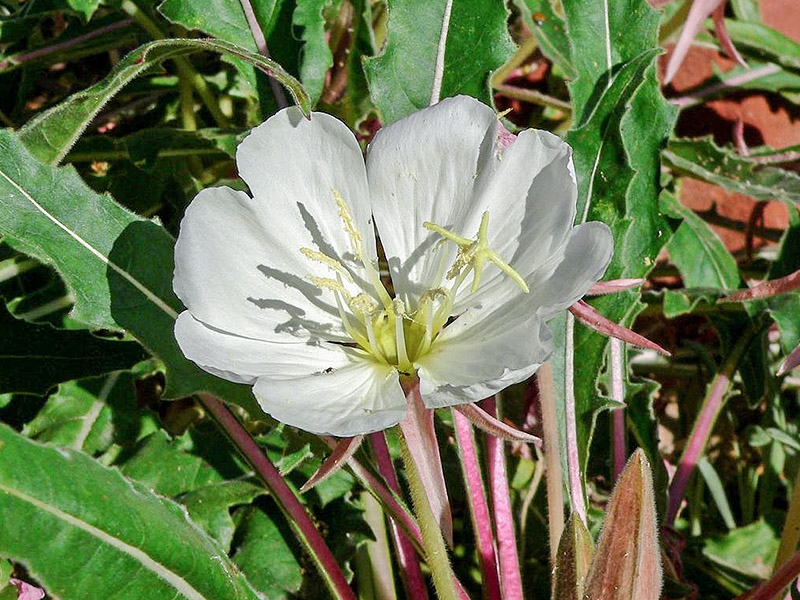
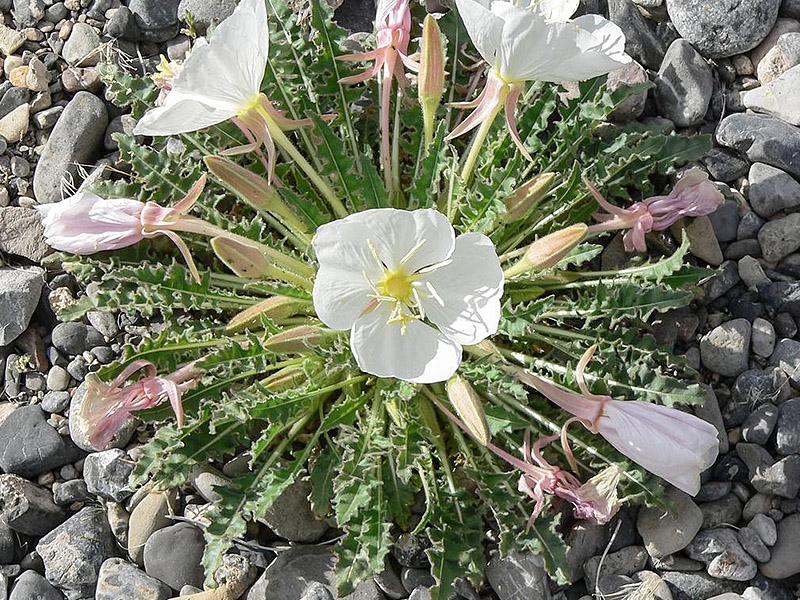
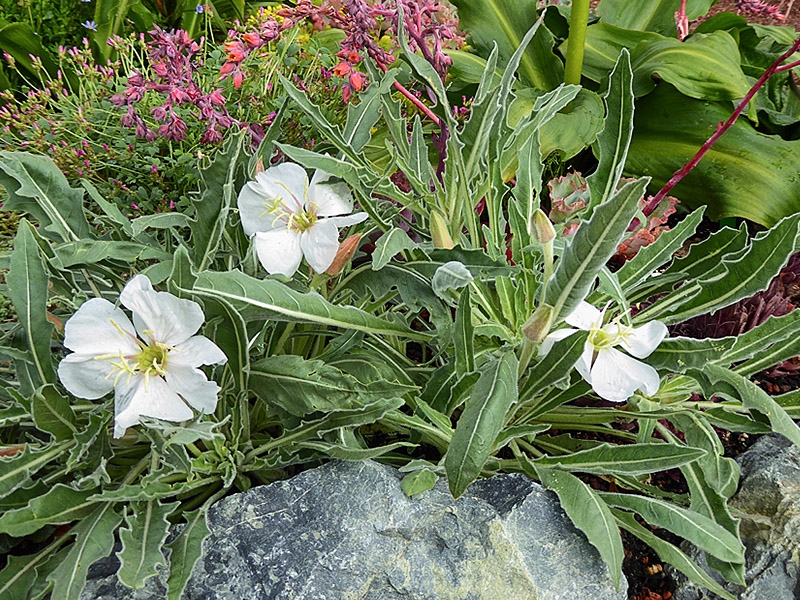
Evening Primrose (Oenothera caespitosa) is a perennial plant native primarily to western North America. I will explain its growth characteristics, propagation methods, cultivation techniques, garden uses, and major pests and diseases, as well as control methods. Growth Characteristics - Environment: Evening Primrose prefers dry, sunny environments. It thrives in well-drained soil and is particularly adaptable to alkaline soils. - Size: It typically grows to a height of 20 to 40 cm and is characterized by its dwarf form. - Flowers: It blooms mainly during the summer. The flowers are typically white to pale pink, opening at night and wilting by morning. Propagation Methods - Seeds: It can be propagated by sowing seeds directly in the spring or autumn. Seeds have a high germination rate, and once established, they grow naturally. - Cuttings: While it can be propagated via stem cuttings, seed propagation is the most common method. Cultivation Method - Watering: Be careful not to overwater. Although it tolerates prolonged droughts well, it is best to water before the soil dries out completely. - Fertilization: No special fertilizer is required; good basic soil nutrient status is sufficient. - Care: During the winter, pay particular attention to ensuring good drainage, and use a mulch for insulation if necessary. Garden Uses - Evening Primrose can be used on low stone walls, rock gardens, and boundary areas, and is also popular in wildflower gardens. It is highly valuable for ornamental purposes due to its distinctive fragrance and flowers. Important Pests and Control Methods - Diseases: While generally resistant to disease, fungal diseases may occur under hot and humid conditions. To prevent this, cultivate it in a well-ventilated area. - Pests: Common plant pests such as aphids and snails may occur; eco-friendly insecticides can be used to control them. - Preventive Measures: It is important to prevent pests and diseases in advance through sufficient sunlight, ventilation, and proper watering. If you properly understand these characteristics and manage them, you can effectively utilize evening primroses in your garden.
Plant Family
Onagraceae
Height
20~30cm
Spread
30~60cm
Colors
white, pink
Bloom Period
April to August
Water Needs
commonly
Exposure
Sunny
Freezing Resistance
-40°C
Evening Primrose Elata
Oenothera elata
Pink evening primrose
Oenothera speciosa