English
한국어
English
Español
中文
हिंदी
Home
News
Community
Dictionary
English
한국어
English
Español
中文
हिंदी
View list
Pink evening primrose
Oenothera speciosa
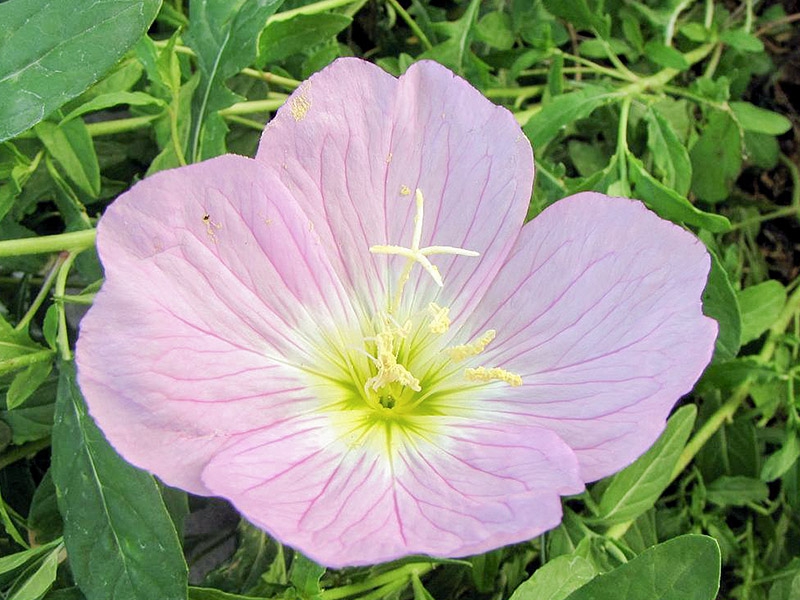
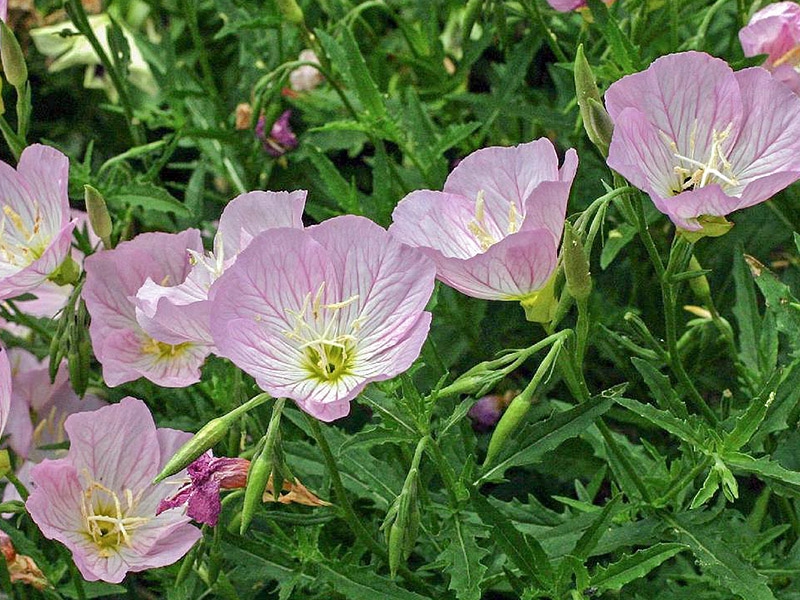
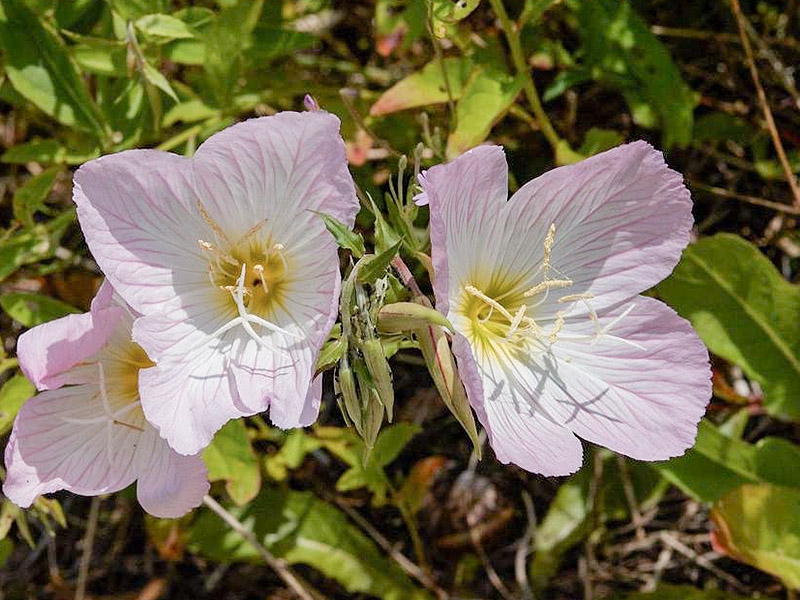
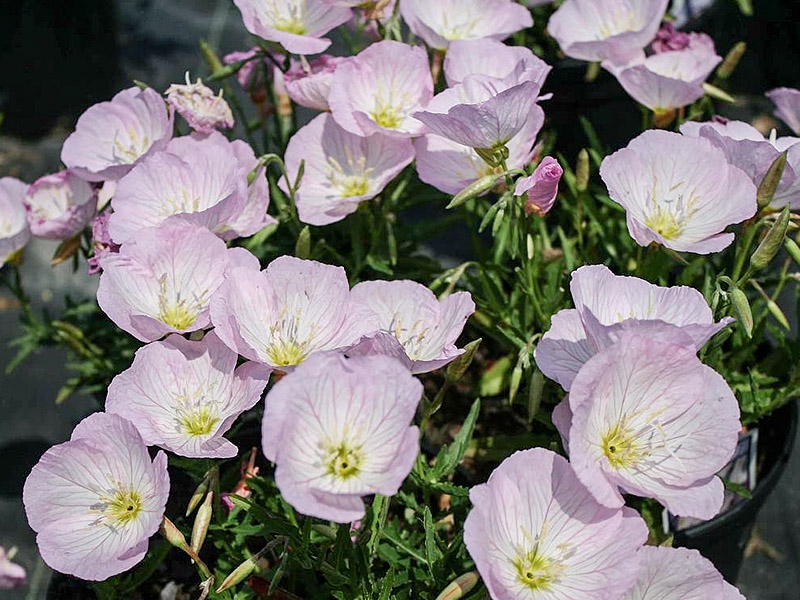
Growth Characteristics The pink evening primrose (Oenothera speciosa) is primarily a perennial herbaceous plant that grows to a height of 30 to 60 cm. It prefers sunlight and thrives in well-drained soil. It blooms with pink or white flowers from spring to summer; it is named "Evening Primrose" because the flowers typically open in the evening and wilt by morning. Propagation Methods This plant can be propagated mainly by seeds and root division. Seeds mature in the autumn; they should be collected directly, stored in a dry place, and sown in early spring. For root division, the roots can be divided and transplanted in spring or autumn. Cultivation Methods - Sunlight: It is best to plant in a sunny location. - Soil: It grows well in high-quality, well-drained soil. It can also grow in sandy soil. - Watering: Although it is resistant to drought, sufficient watering is necessary during the initial establishment phase. - Fertilizer: It grows well without special fertilizer, but applying a small amount of organic fertilizer in the spring will result in more abundant blooms. Uses in the GardenSince this plant produces clusters of pink flowers, it can serve as a beautiful focal point in borders, rock gardens, or naturalistic gardens. Planting it on a large scale can create a magnificent flower bed. Important Pests and Control Methods Pink evening primrose is relatively resistant to pests and diseases, but fungal diseases can occur in excessively humid environments. To prevent this, maintain a well-drained environment and ensure good ventilation. If disease occurs, cut off the infected parts and use an appropriate fungicide if necessary. Aphids may occur as pests; in this case, control them using soapy water or insecticides.
Plant Family
Onagraceae
Height
25~60cm
Spread
30~60cm
Colors
pink
Bloom Period
May to August
Water Needs
commonly
Exposure
Sunny
Freezing Resistance
-30°C
Evening primrose
Oenothera caespitosa
Evening primrose
Oenothera macrocarpa