English
한국어
English
Español
中文
हिंदी
Home
News
Community
Dictionary
English
한국어
English
Español
中文
हिंदी
View list
Oncidium papilio
Oncidium papilio
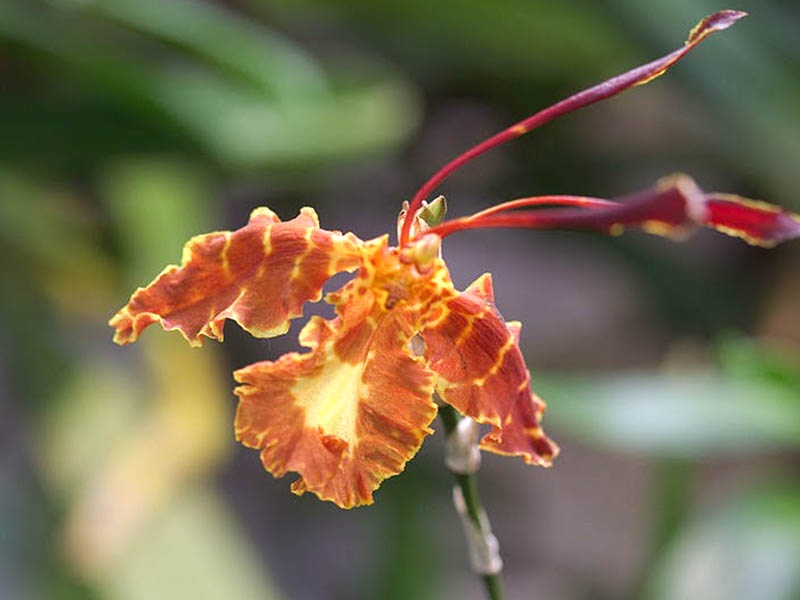
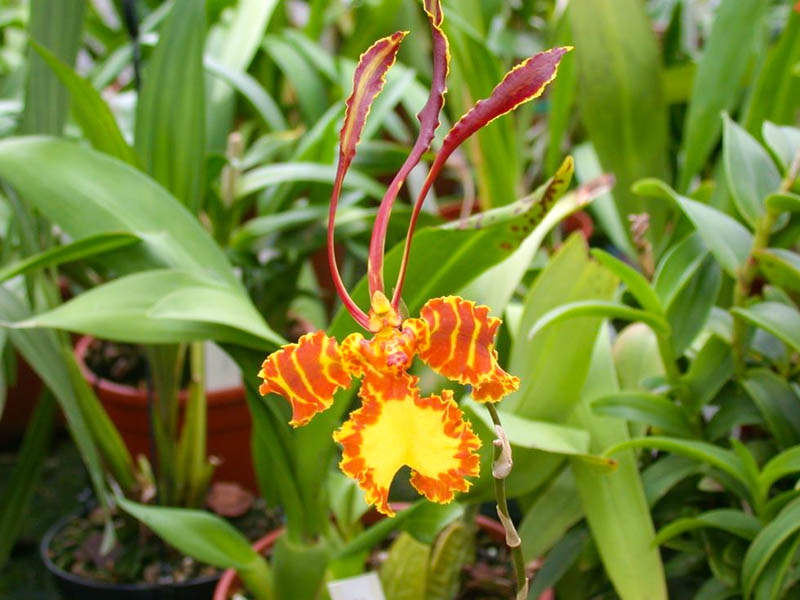
Growth Characteristics of Oncidium papilio Oncidium papilio is an epiphytic orchid that primarily inhabits the tropical rainforests of Central and South America. It produces unique butterfly-shaped flowers and prefers a mild climate. It thrives in partial shade with moderate sunlight and requires a well-ventilated environment. Propagation Methods Oncidium papilio is generally propagated by division. When new shoots appear from a healthy mother plant, carefully separate them and plant them in new pots. Spring or early summer is the best time for division. Cultivation Methods - Temperature: Maintain 20-25°C during the day and 15-18°C at night. - Lighting: Grow in bright partial shade but avoid direct sunlight. - Watering: Plant in a well-draining pot and water thoroughly after the soil dries out. Reduce watering during the winter. - Humidity: It is recommended to maintain a humidity level of 50-70%. Regulate humidity by spraying water with a spray bottle as needed. - Fertilizer: During the growing season (spring and summer), apply orchid-specific fertilizer every two weeks. Use in the Garden Oncidium papilio is primarily grown indoors, but in temperate climates, it can be grown by attaching it to trees or large plants in an outdoor garden. However, it must be moved indoors during the winter to prevent damage. Important Pests and Diseases & Control Methods - Diseases: Root rot can occur due to excessive moisture. Ensure good drainage and prevent this by avoiding overwatering. - Pests: Scale insects and aphids may occur. Detect them early through periodic observation, and wipe them off with soapy water or alcohol, or use an appropriate insecticide. You can grow healthy Oncidium papilio through regular care and creating a suitable environment.
Plant Type
Plant Family
Orchid family
Height
20~60cm
Spread
Colors
red, orange, yellow
Bloom Period
January to December
Water Needs
commonly
Exposure
semi-shaded area
Freezing Resistance
-5°C
Oncidium Sharri Baby
Oncidium Sharry Baby
Oncidium ornithorhincum
Oncidium ornithorhynchum