English
한국어
English
Español
中文
हिंदी
Home
News
Community
Dictionary
English
한국어
English
Español
中文
हिंदी
View list
Oophitum obiform
Oophytum oviforme
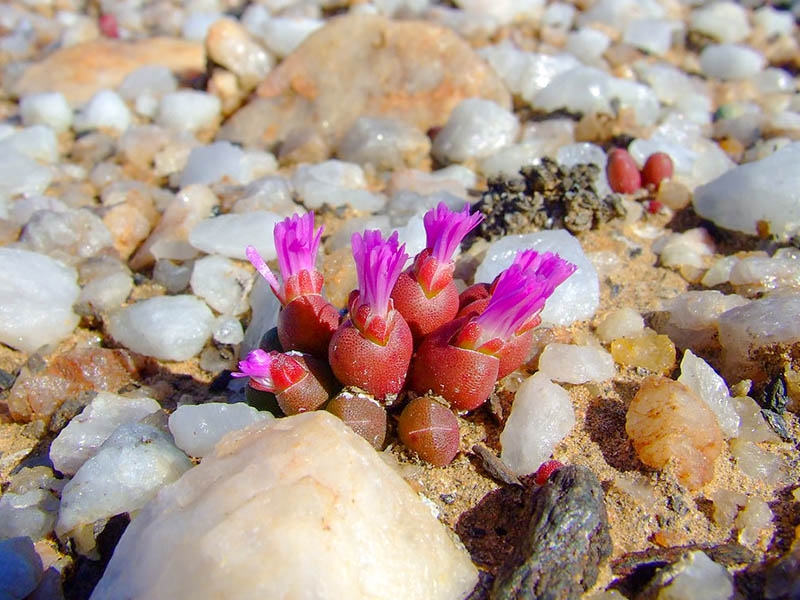
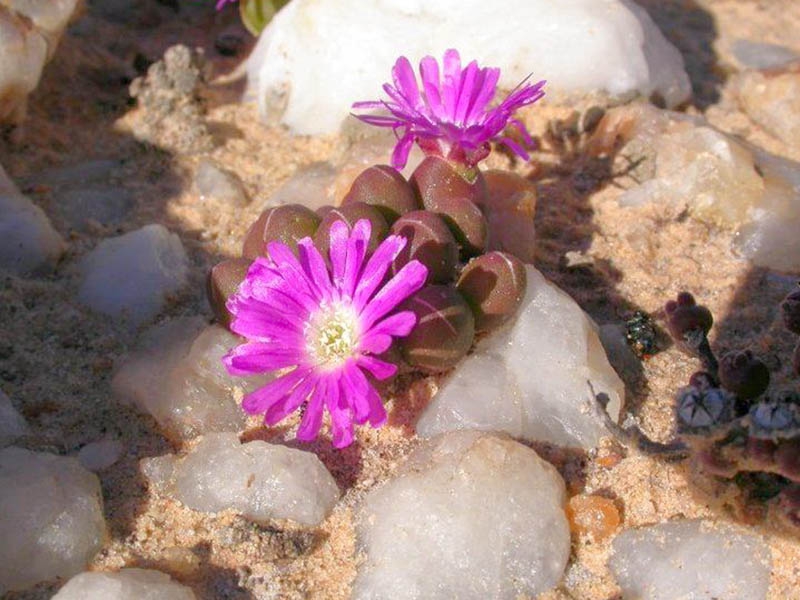
I will explain the growth characteristics, propagation methods, cultivation methods, garden uses, and major pests and diseases and control methods of Oophytum oviforme. Growth Characteristics Oophytum oviforme is a succulent plant native to the arid regions of South Africa. It has a stone-like form and exhibits extremely slow growth. This plant has adapted to dry environments and can survive even in very low humidity. It thrives in sunny locations and ceases growth and enters a dormant state during the cold winter months. Propagation Methods It is usually propagated by seeds or leaf cuttings. For seed propagation, it is best to germinate seeds in high-temperature conditions during the spring. For leaf cuttings, cut off a mature leaf, dry it in a cool, dry place for a few days, and then plant it. After propagation, care must be taken not to water too frequently. Cultivation Methods Oophytum oviforme must be grown in well-draining soil. It is recommended to use soil specifically designed for cacti and to select a pot with good drainage. Watering should be done only after the soil has completely dried out, and the frequency of watering should be further reduced, especially during the winter. Avoid leaving the plant in direct sunlight for extended periods; it is ideal to grow it in partial shade or bright indirect light. Uses in the GardenThanks to its unique shape and color, Ophitum obiforme is very popular as a decorative plant in gardens or indoors. It is well-suited for small rock gardens or cactus gardens, and it also looks good when placed alongside other succulents. As it serves as a striking focal point in itself, it fits well even in minimalist garden designs. Important Pests and Control Methods Ophitum obiforme is generally resistant to pests and diseases, but root rot can occur due to overwatering. To prevent this, water management must be strictly adhered to. Additionally, if pests such as scale insects appear, wiping them off with medicinal alcohol or using an insecticide of an appropriate concentration is effective. If pests or diseases are severe, it is recommended to cut off the damaged parts and separate the healthy sections to grow. The above covers general growth information and care methods for Ophitum obiform. With proper care and a suitable environment, you can grow it healthily for a long time.
Plant Type
Plant Family
Pomegranate family
Height
1.2~2cm
Spread
1~1.2cm
Colors
amethyst
Bloom Period
December to February
Water Needs
Bad
Exposure
Sunny
Freezing Resistance
-10°C
Seonbawi fern
Onychium japonicum
Nadogosarisam
Ophioglossum vulgatum