English
한국어
English
Español
中文
हिंदी
Home
News
Community
Dictionary
English
한국어
English
Español
中文
हिंदी
View list
Aralia elata
Oplopanax elatus
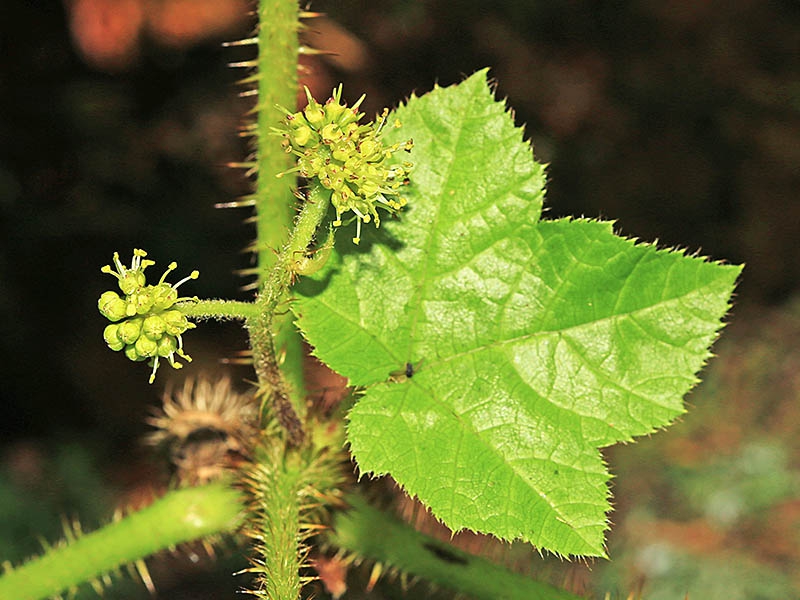
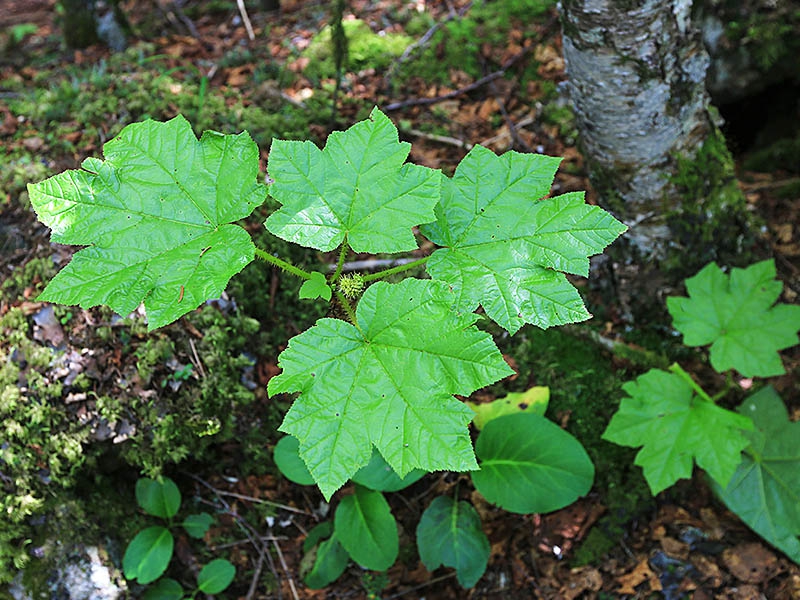
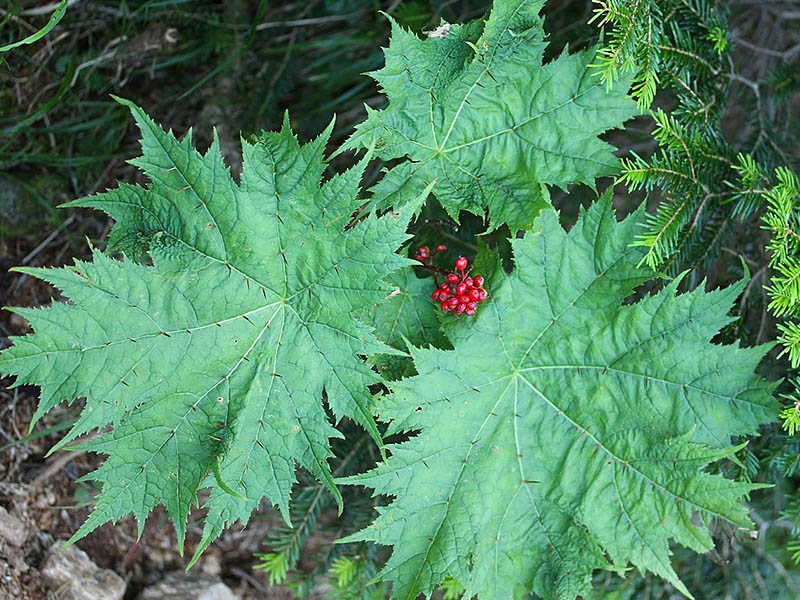
Oplopanax elatus has the following characteristics regarding growth, propagation, cultivation, garden uses, and important pests and diseases and control methods. Growth Characteristics - Growth Habits: Oplopanax thrives in shady areas of forests and prefers slightly moist soil. It tolerates cold climates well, but it is advisable to avoid strong direct sunlight. - Size and Form: Mature trees typically grow to about 1 to 2 meters in height. The leaves are broad, thick, and serrated at the edges. Propagation Methods - Seed Propagation: Seeds can be sown directly in spring or autumn, or germinated indoors and then transplanted. Since the germination rate is low, it is recommended to prepare a sufficient number of seeds. - Cutting Propagation: It can be propagated by taking cuttings of branches 10 to 15 cm in length during the summer. Rooting hormones may be used to promote successful rooting. Cultivation Methods - Soil: Well-drained sandy loam is ideal. It thrives in acidic soil. - Water Management: It is important to maintain consistent moisture while avoiding overwatering. It is recommended to provide additional water during dry periods. - Fertilizer: Use slow-release fertilizer in the spring to promote plant growth. Uses in Gardens - Landscape Value: Due to its unique leaf shape and color, Aralia elata is widely used as an ornamental plant in gardens and parks. It creates a natural atmosphere, especially when placed in shaded areas. Important Pests and Control Methods - Diseases: Overwatering can lead to problems such as root rot. Proper drainage and ventilation are essential to prevent this. - Pests: Aphids and mites may occur; if an infestation occurs, control them using appropriate insecticides. Biological control using natural enemies can also be effective. Aralia elata is relatively easy to care for, but it can be grown healthily if care is taken to ensure it thrives in the right environment.
Plant Type
Plant Family
Araliaceae
Height
2~3m
Spread
Colors
white
Bloom Period
July~August
Water Needs
commonly
Exposure
semi-shaded area
Freezing Resistance
-30°C
Branching clamweed
Oplismenus compositus
Litoralis cactus
Opuntia littoralis