English
한국어
English
Español
中文
हिंदी
Home
News
Community
Dictionary
English
한국어
English
Español
中文
हिंदी
View list
Cactus Quimilo
Opuntia quimilo
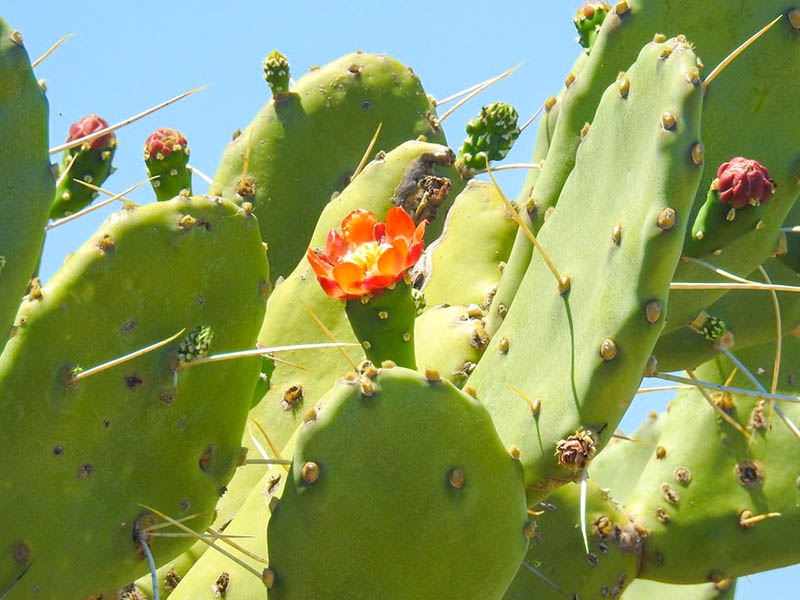
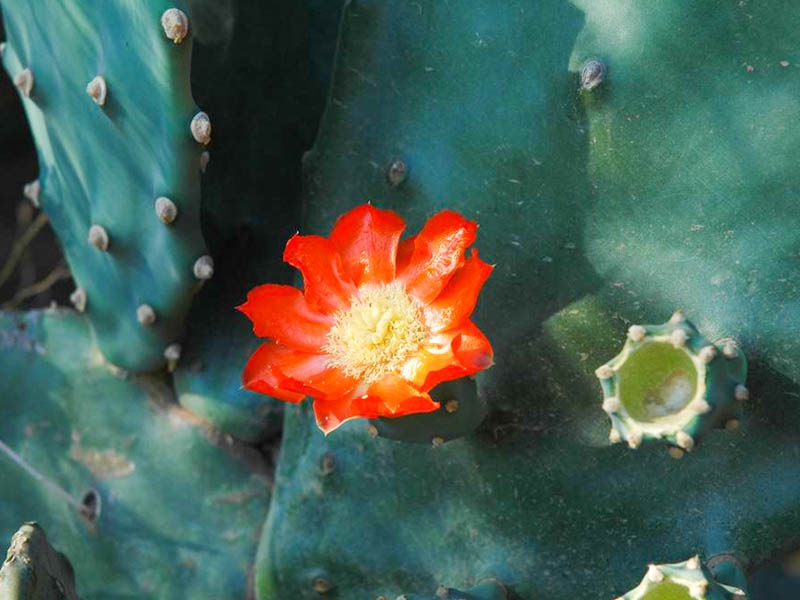
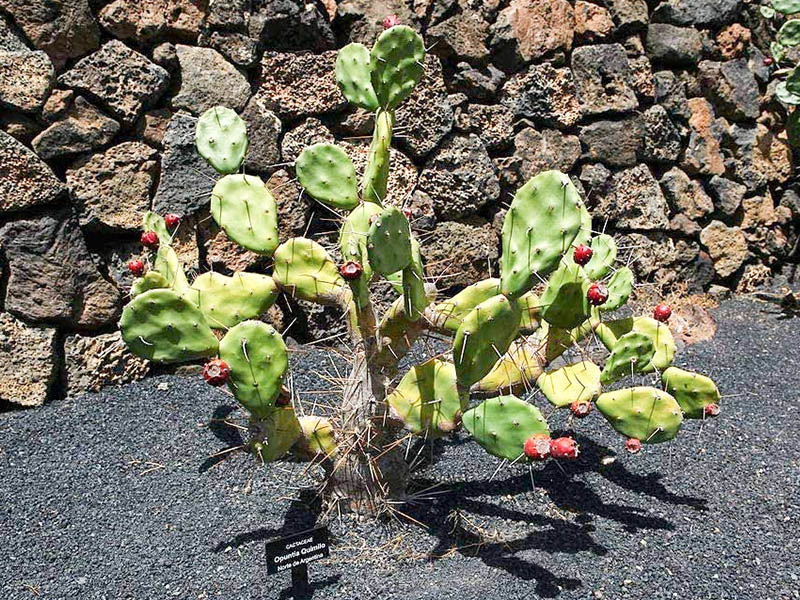
The growth characteristics, propagation methods, cultivation methods, garden uses, and major pests and diseases and control methods of the cactus Opuntia quimilo are summarized below. Growth Characteristics - Scientific Name: Opuntia quimilo - Growing Environment: Opuntia quimilo prefers a dry and warm climate and thrives in sunny locations. It requires well-draining soil. - Morphology: It has succulent, flat, pad-shaped stems covered with small spines or clumps of hairs. Propagation Methods - Propagation: It is primarily propagated by cuttings of the pads (leaf-shaped stems). If the cut pads are air-dried for several days before planting, they will root. Cultivation Methods - Watering: Avoid overwatering; it is best to water only after the soil has completely dried. Provide appropriate fertilizer during the summer growing season. - Soil: Well-draining sandy loam is suitable. When planting in a pot, use soil specifically designed for succulents. - Temperature: While it is resistant to cool temperatures, it is best to bring it indoors to overwinter. Uses in the Garden - Uses: Quimilo is suitable as a garden border plant or for ornamental purposes. Due to its high durability and ease of care, it is widely used in gardens that primarily grow cacti. Important Pests and Control Methods - Pests and Diseases: Common pests include powdery mildew, spider mites, and scale insects. - Control Methods: If pests or diseases occur, wipe the plant with soapy water or alcohol, or use appropriate pesticides if necessary. For prevention, inspect the plant's condition periodically and avoid overwatering. Based on this information, you can effectively cultivate and manage Quimilo.
Plant Family
Cactus and
Height
4m
Colors
red
Bloom Period
May to July
Water Needs
Bad
Exposure
Sunny
Freezing Resistance
-10°C
Cactus
Opuntia robusta
Phaeacanta cactus
Opuntia phaeacantha