English
한국어
English
Español
中文
हिंदी
Home
News
Community
Dictionary
English
한국어
English
Español
中文
हिंदी
View list
Divided tree
Viburnum furcatum
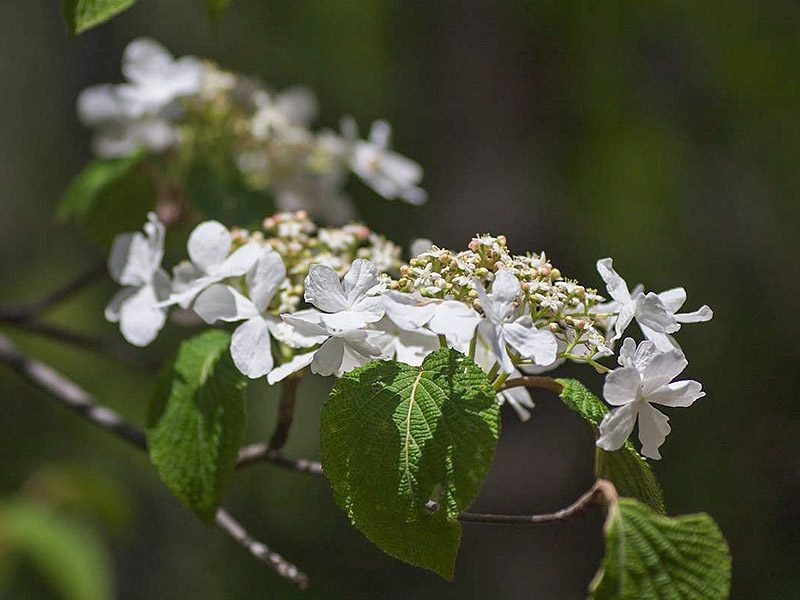
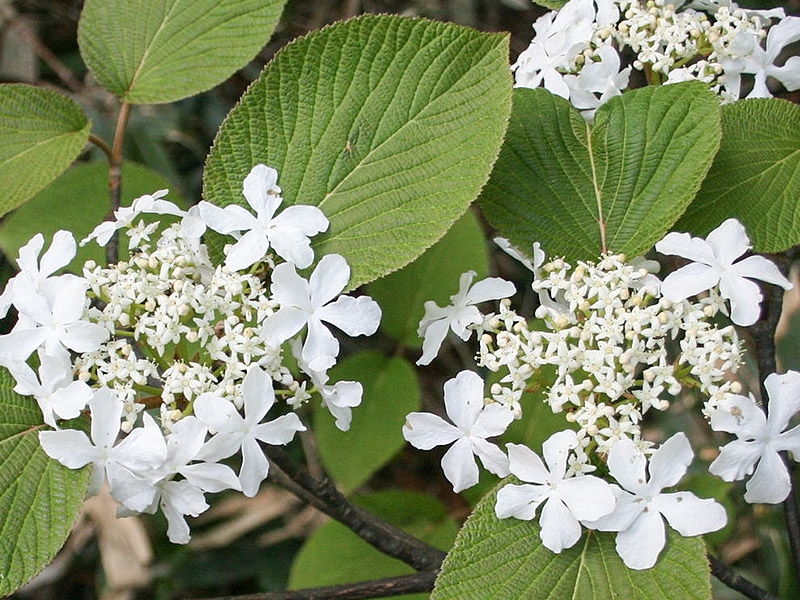
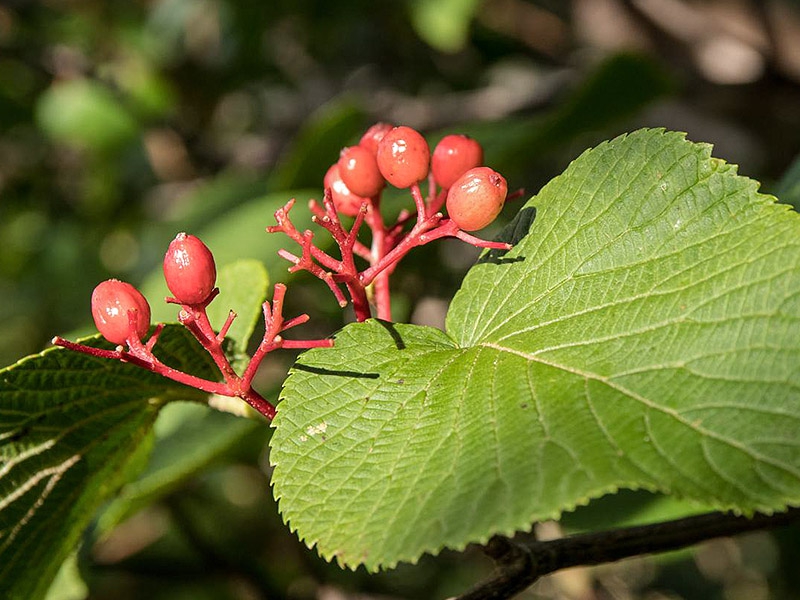
## Viburnum furcatum Growth Characteristics Viburnum furcatum is a medium-sized shrub that grows to a height of approximately 2 to 3 meters and reaches a width of 1.5 to 3 meters. Its leaves are oval-shaped, and a characteristic feature is that new leaves emerge primarily in the spring. In autumn, the leaves turn red, making it highly valuable as an ornamental plant. The flowers are small and white, blooming from late spring to early summer. Propagation Methods It is primarily propagated by cuttings and seeds. Cuttings are taken from new branches in spring or early summer, while seeds are harvested in autumn and sown in early spring. Seeds tend to germinate better after experiencing cold weather. Cultivation Methods - Soil: It prefers well-drained soil and thrives in slightly acidic or neutral soil. - Sunlight: It can be grown in various locations ranging from partial shade to full sun. - Watering: It is relatively drought-tolerant, but regular watering is required during the summer. - Fertilizer: Apply a general-purpose fertilizer once in the spring. Uses in the GardenThe Japanese quince (Furcatum) possesses high decorative value as a border plant or as a standalone shrub. In particular, its vibrant autumn foliage can serve as a focal point in the fall garden. Additionally, since it maintains a natural shape, shaping is not difficult. Important Pests and Diseases & Control Methods - Diseases: It may be susceptible to leaf blight or gray mold. If infected with these diseases, remove the affected parts and use fungicides if necessary. - Pests: Pests such as aphids may occur. These can be controlled using insecticides or natural predators. - Prevention: It is important to maintain the plant's health through regular pruning and ventilation. By managing it as described above, you can grow a healthy Japanese quince (Furcatum) and enjoy various landscape effects.
Plant Type
Plant Family
Honeysuckle
Height
2~5m
Spread
Colors
white
Bloom Period
May
Water Needs
commonly
Exposure
semi-shaded area
Freezing Resistance
-20°C
mountain honeysuckle
Viburnum wrightii
Viburnum
Viburnum erosum