English
한국어
English
Español
中文
हिंदी
Home
News
Community
Dictionary
English
한국어
English
Español
中文
हिंदी
View list
Viburnum
Viburnum erosum
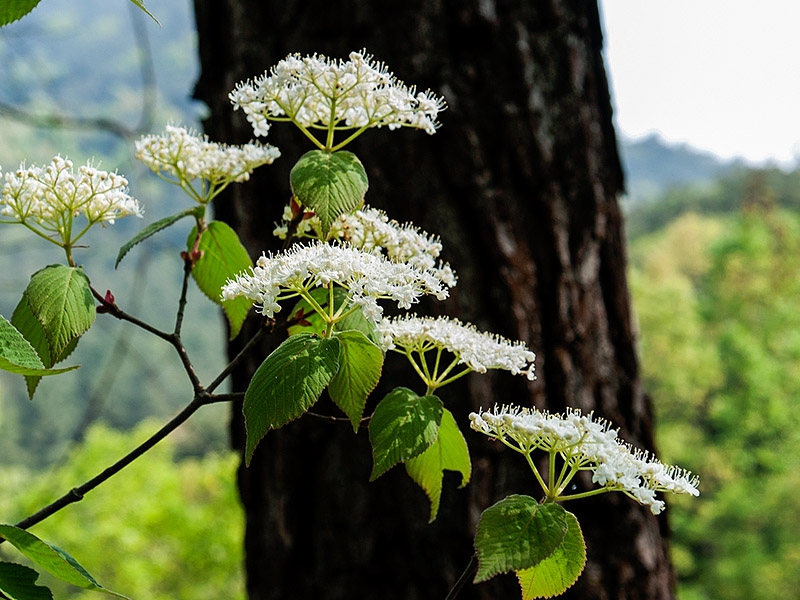
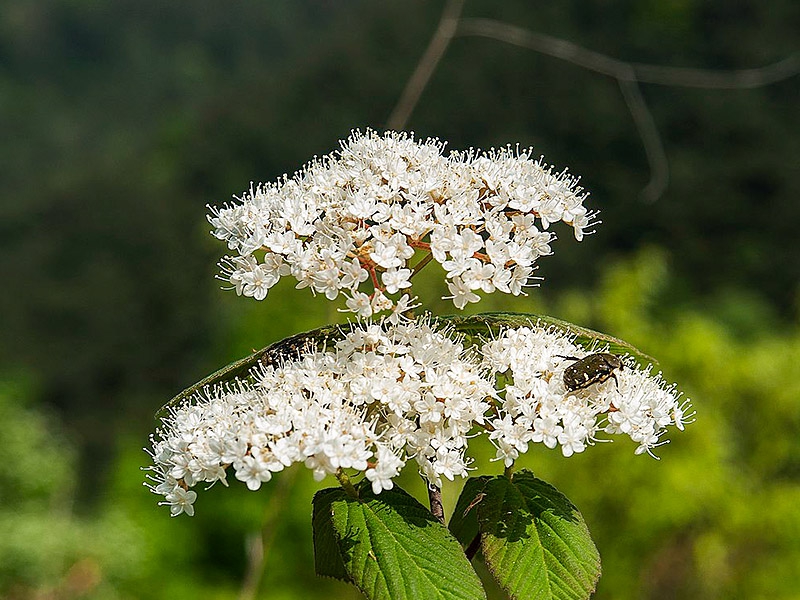
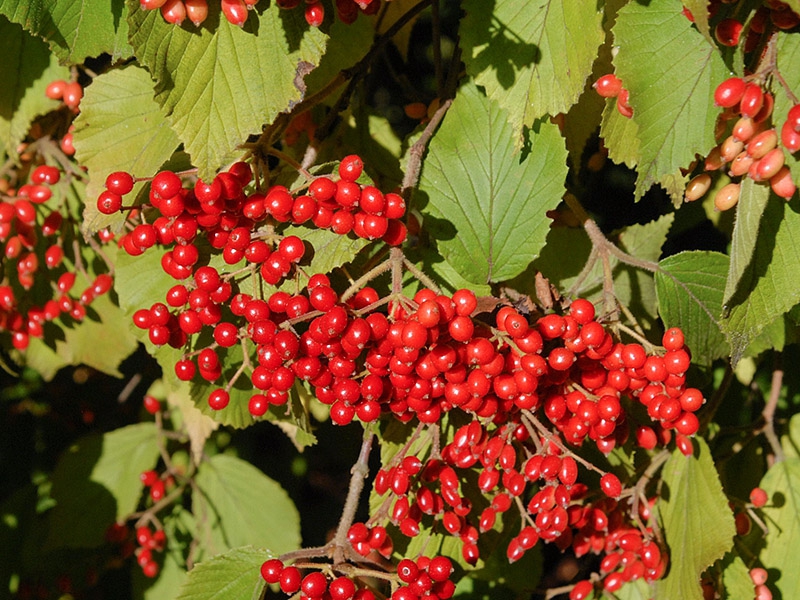
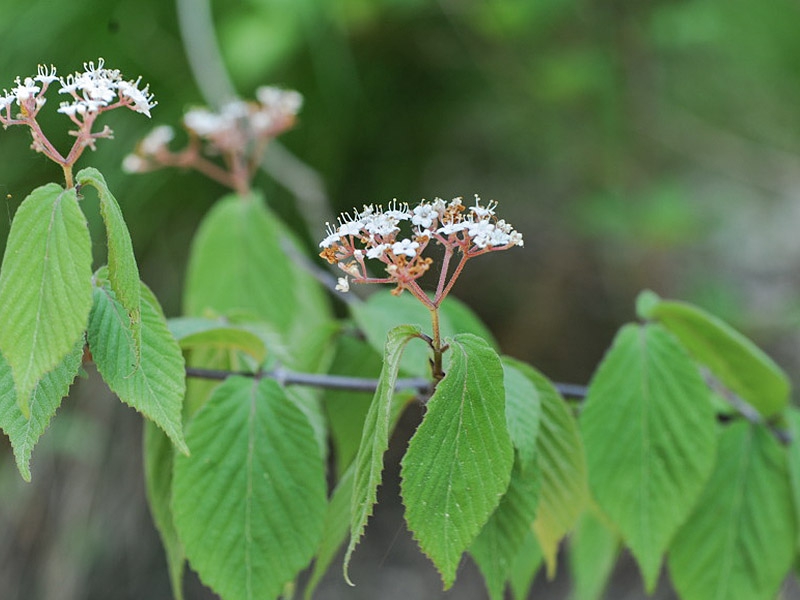
Growth Characteristics of Viburnum erosum Viburnum erosum is a deciduous shrub that generally grows to a height of 2 to 3 meters. Its leaves are ovate with serrated margins, and small white flowers bloom in umbel inflorescences from spring through summer. In autumn, it bears red-ripening berries that serve as food for birds during the winter. Propagation Methods Viburnum erosum is primarily propagated by seeds or cuttings. For seed propagation, seeds are collected after the fruit ripens and sown the following spring. For cuttings, new branches are cut to a length of about 10 cm in the summer and planted in water or potting soil to encourage rooting. Cultivation Methods - Soil: Viburnum erosum thrives in well-drained soil rich in organic matter. - Sunlight: It can tolerate full sun and partial shade. - Watering: It requires ample water initially, but once it has grown, it requires only moderate moisture. 4. Fertilizer: It is recommended to use slow-release fertilizer during the growing season in spring and early summer. Uses in the Garden Dullwood is highly popular as an ornamental plant in gardens due to its beautiful flowers and berries. It can be used as a hedge or boundary plant, or planted in large pots for decoration. Important Pests and Diseases & Control Methods - Diseases: Fungal diseases may occur on the leaves. To prevent this, ensure good ventilation and use fungicides if necessary. - Pests: Aphids or scale insects may occur. In this case, control them using appropriate insecticides. Dullwood is a relatively hardy plant, but it can be cultivated into a healthy plant through regular care and monitoring.
Plant Type
Plant Family
Honeysuckle
Height
2m
Spread
Colors
white
Bloom Period
April~May
Water Needs
commonly
Exposure
semi-shaded area
Freezing Resistance
-30°C
Divided tree
Viburnum furcatum
Mirabilis jalapa
Viburnum carlesii