English
한국어
English
Español
中文
हिंदी
Home
News
Community
Dictionary
English
한국어
English
Español
中文
हिंदी
View list
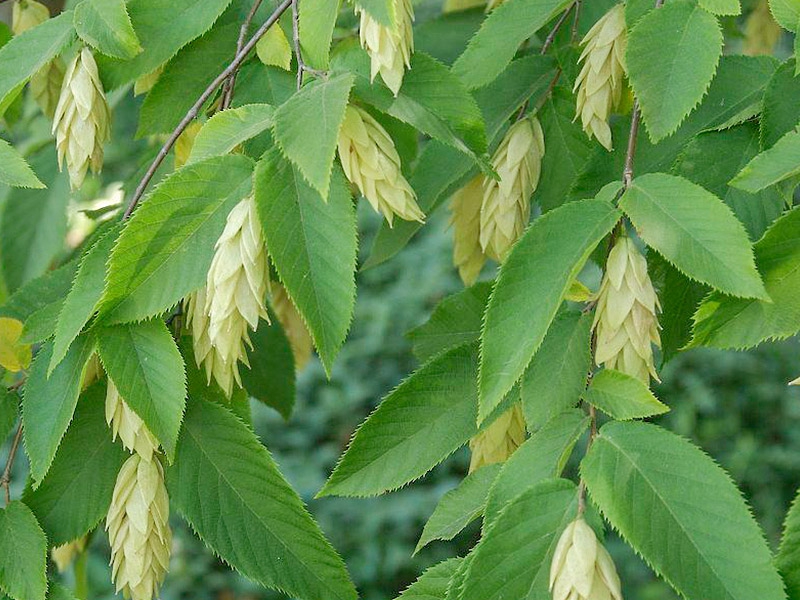
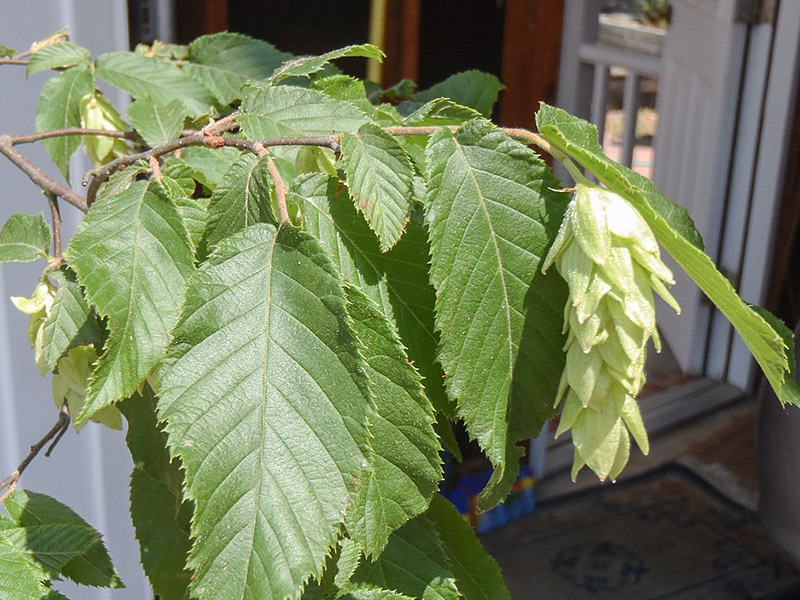
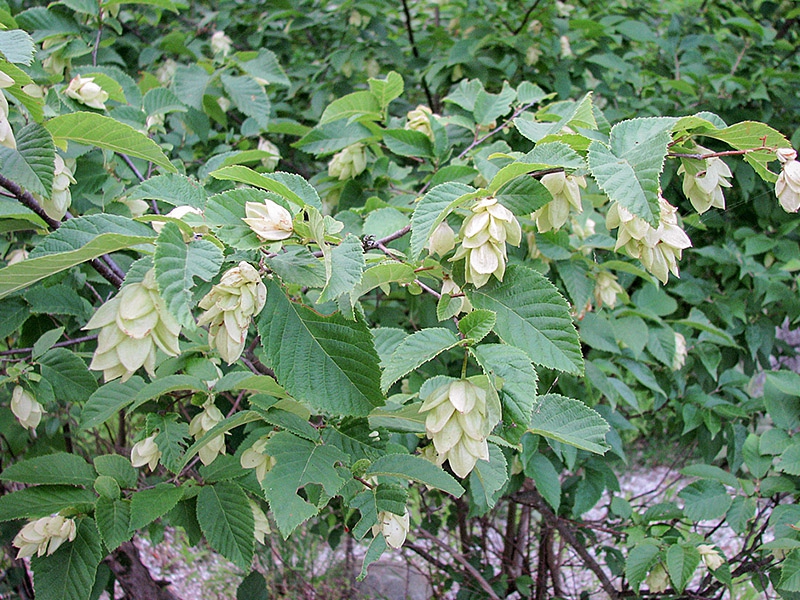
Virginia shrimp tree
Ostrya virginiana
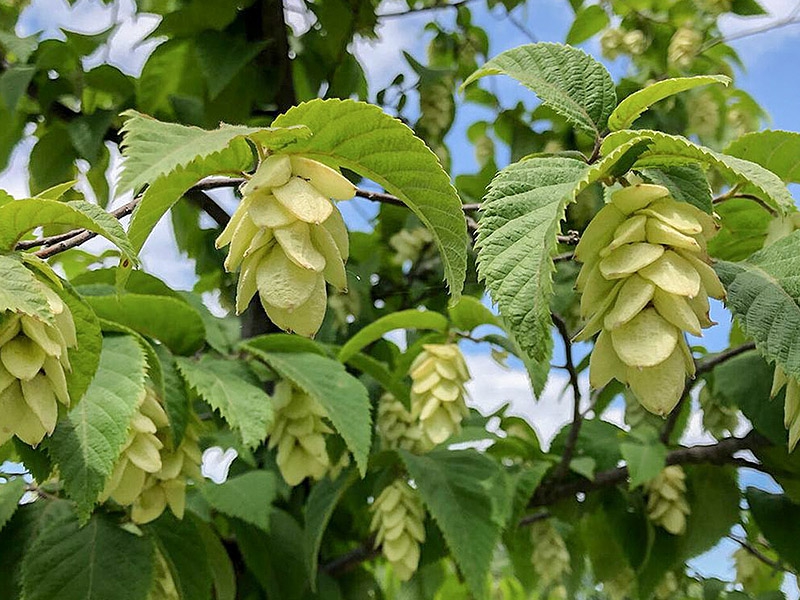
Growth Characteristics of Ostrya japonica Ostrya japonica is a deciduous tree native primarily to Korea, Japan, and China. It typically grows to a height of 10 to 20 meters, and its leaves are long and thin, oval-shaped. It blooms with yellowish-green flowers in the summer and bears small nut-like fruits in the autumn. While this tree thrives in dry soil and partial shade, it prefers sunny locations. Propagation Methods Ostrya japonica is primarily propagated by seeds. It is recommended to collect seeds in the autumn and plant them in early spring, or store them in a cold place during the winter before planting in early spring. It can also be propagated by cuttings or grafting. Cultivation Methods - Soil: Well-drained soil and loam rich in humus are suitable. - Water Management: It can tolerate sufficient natural moisture unless there is a severe drought. 3. Fertilization: It is recommended to provide an appropriate amount of compost or organic fertilizer, especially during the first 1 to 2 years after planting. - Pruning: Pruning in the spring or autumn helps maintain the tree's shape and promotes its health. Uses in Gardens The Japanese zelkova is a good tree for providing shade, making it suitable for planting in gardens or parks. It is particularly popular for landscaping due to the beautiful color changes of its leaves, especially in the autumn. It is also noted for its aesthetic appeal due to the unique texture of its bark and leaves. Important Pests and Control Methods - Diseases: Since it can be infected with fungal or bacterial diseases, it is recommended to plant it in a well-ventilated location and avoid excessive moisture. - Control Methods: Immediately remove any diseased parts and use appropriate fungicides if necessary. - Pests: Major pests include aphids and scale insects. - Control Methods: Apply pesticides in early spring and late summer, and attempt natural control using natural predator insects. Continuous observation and care are important for maintaining the health of the shrimp tree. If you follow the proper cultivation methods, it can grow well in the garden.
Plant Type
Plant Family
Betula family
Height
6~12m
Spread
6~9m
Colors
white, brown
Bloom Period
April to August
Water Needs
commonly
Exposure
Sunny
Freezing Resistance
-30°C
shrimp tree
Ostrya japonica
Otona Dentata
Othonna dentata