English
한국어
English
Español
中文
हिंदी
Home
News
Community
Dictionary
English
한국어
English
Español
中文
हिंदी
View list
Viburnum
Viburnum dilatatum
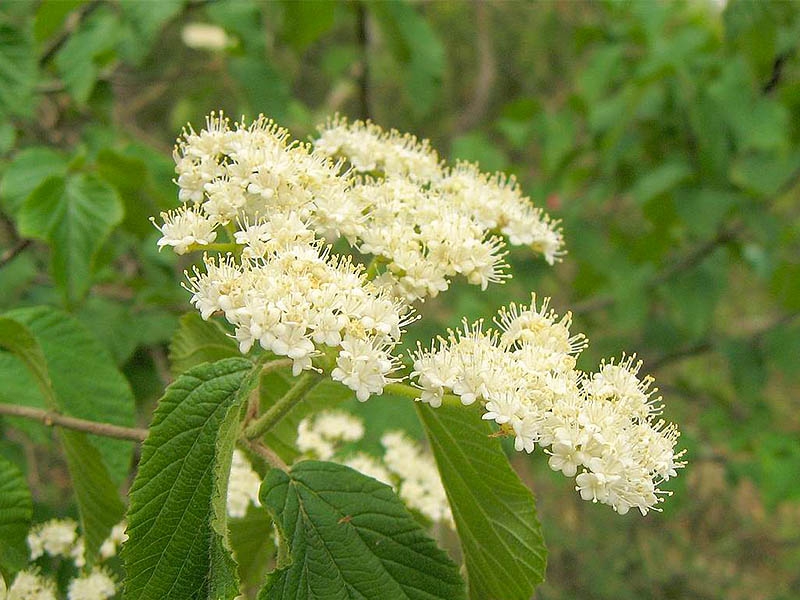
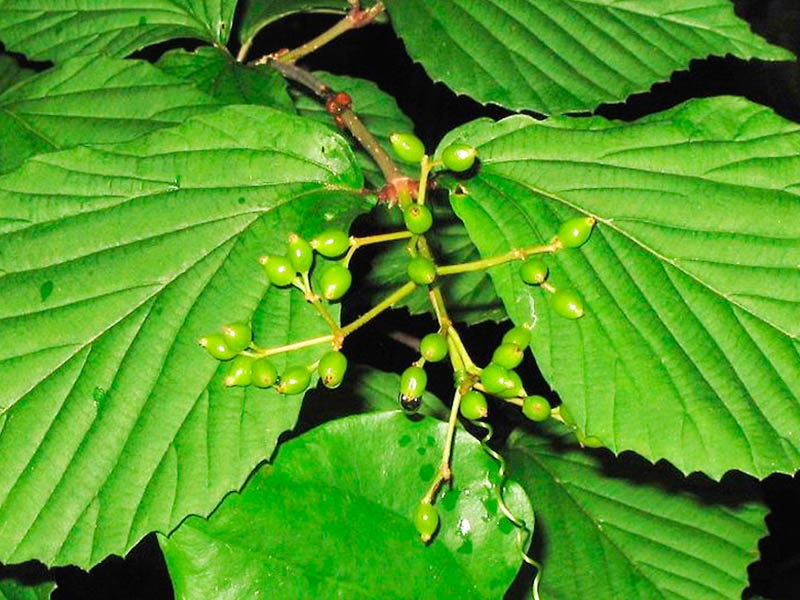
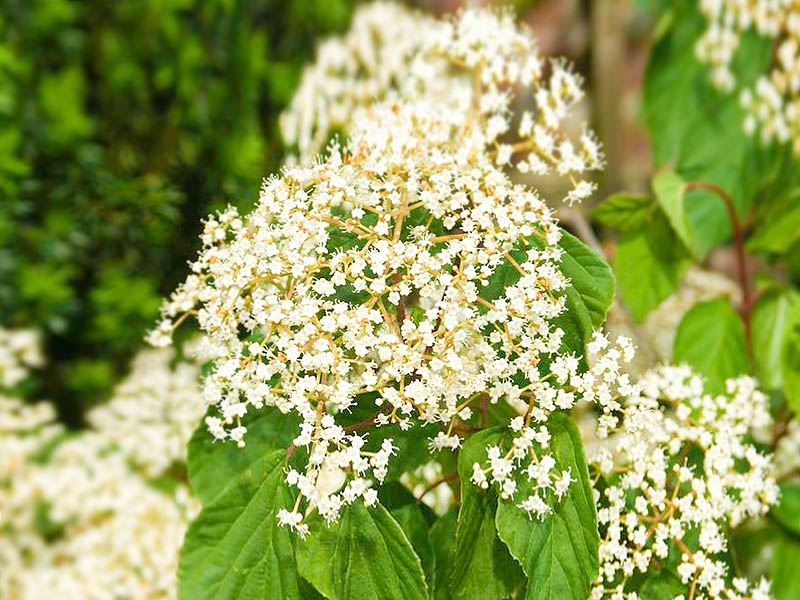
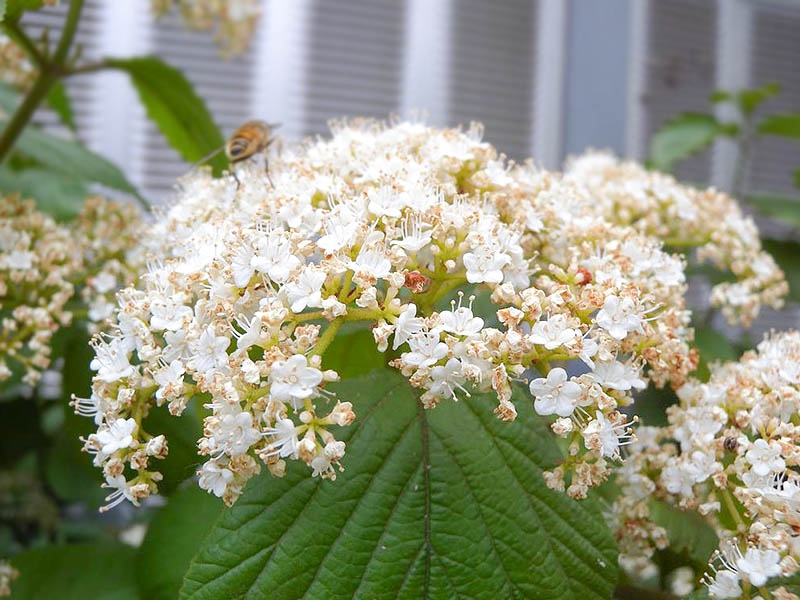
Viburnum dilatatum has the following characteristics regarding growth, propagation, cultivation, garden uses, major pests and diseases, and control methods. Growth Characteristics - Growing Environment: Viburnum thrives in sunny locations and can tolerate partial shade to some extent. It prefers well-drained soil. - Size: Mature trees typically grow up to 2 to 3 meters tall. The leaves are ovate or elliptical with serrated margins. - Flowering Season: Small white flowers usually bloom in May or June, followed by the formation of red or black fruits in the autumn. Propagation Methods - Seed Propagation: It can be propagated using seeds obtained from the fruit. Collect seeds in the autumn, dry them at room temperature, and sow them in the spring. - Cutting Propagation: In the summer, cut a stem to create a cutting approximately 10 cm in diameter, which can then be allowed to root under suitable conditions. Cultivation Methods - Soil Management: Maintain well-drained soil; if necessary, mixing in sandy loam can improve drainage. - Watering: Water periodically during the initial planting period to ensure the roots establish well. Afterward, be careful not to overwater, and water only during droughts. - Fertilizer: Apply slow-release fertilizer in appropriate amounts during spring and autumn. Garden Uses - Landscaping: Widely used as an ornamental plant due to its red berries and beautiful autumn foliage. It is suitable for hedges or boundary planting. Important Pests and Control Methods - Diseases: Powdery mildew or rust may occur. Control them using appropriate fungicides. - Pests: Pests such as aphids and wood borers may occur. Regular observation and the use of insecticides when necessary are recommended. - Prevention: Create an environment favorable for pest prevention through proper pruning and improved ventilation. Generally, Viburnum dilatatum is relatively easy to care for and is a popular garden plant due to its beautiful berries and leaves.
Plant Type
Plant Family
Honeysuckle
Height
3m
Spread
Colors
white
Bloom Period
June
Water Needs
commonly
Exposure
Sunny
Freezing Resistance
-30°C
thorny bush
Viburnum erosum var. taquetii
Red Balloon
Viburnum × rhytidophylloides 'Red Balloon'