English
한국어
English
Español
中文
हिंदी
Home
News
Community
Dictionary
English
한국어
English
Español
中文
हिंदी
View list
Sirusan Dome
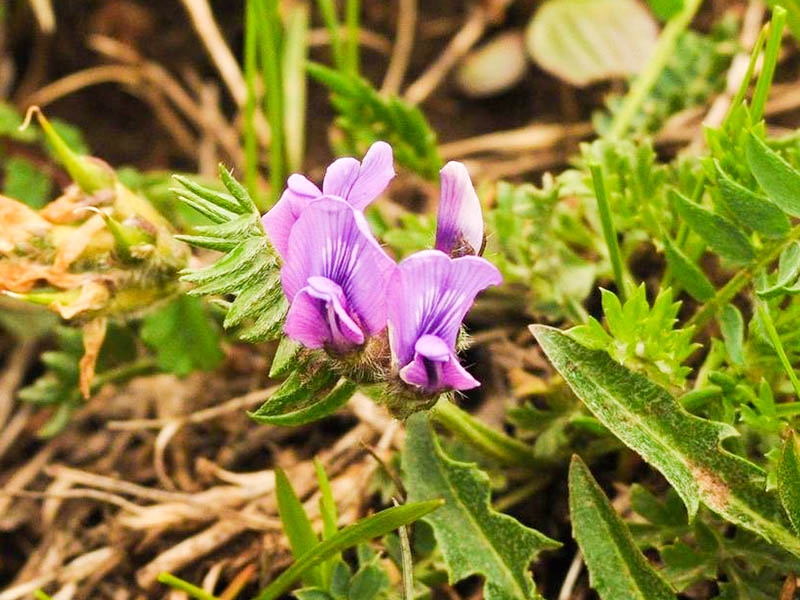
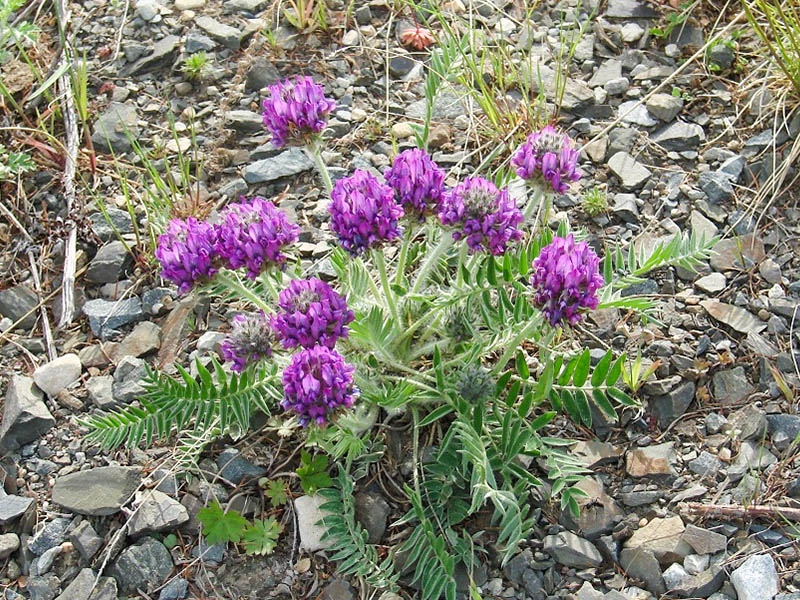
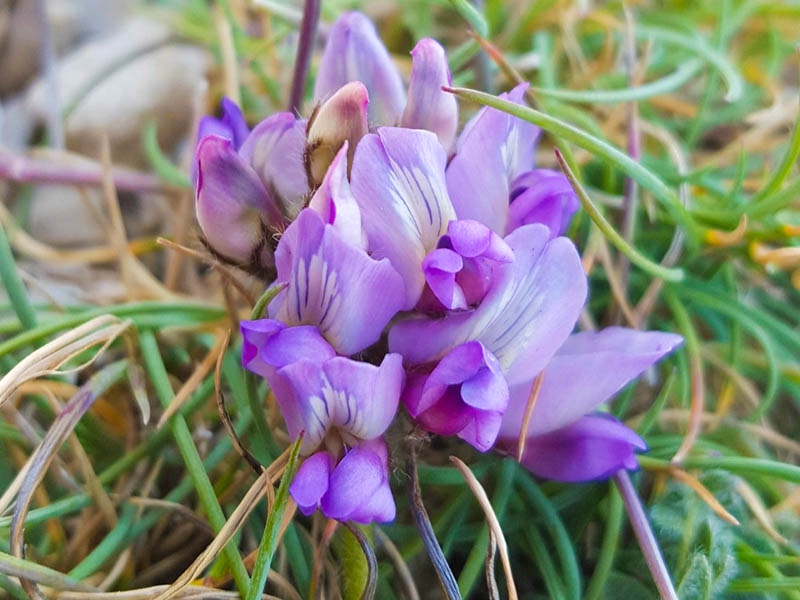
Oxytropis strobilacea
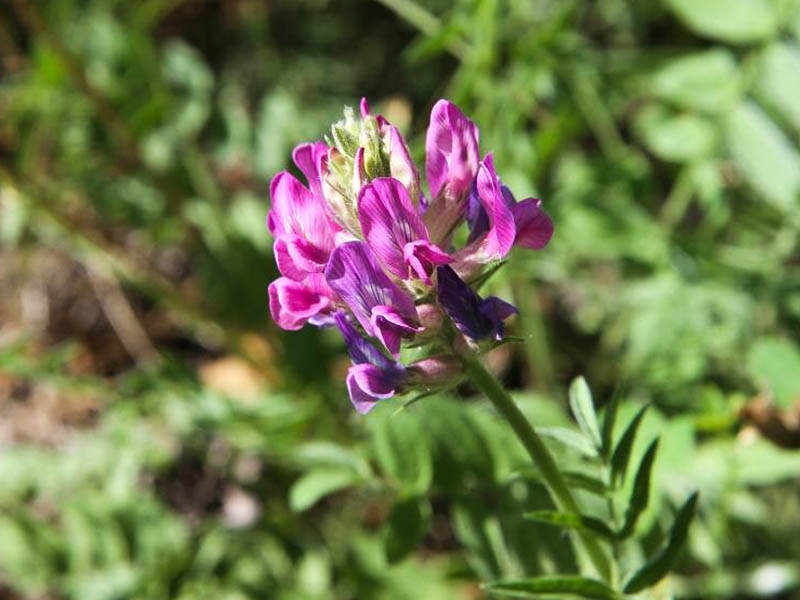
Growth Characteristics of Oxytropis strobilacea Oxytropis strobilacea is a perennial herbaceous plant belonging to the legume family, primarily growing in dry, well-ventilated mountainous regions. This plant has deep roots and possesses the ability to efficiently absorb moisture from the soil. The flowers typically bloom from late spring to early summer and are characterized by their purple color. Propagation Methods This plant is primarily propagated by seeds. The seeds fall naturally, undergo a dormant period, and germinate after the winter. A good method for propagation is to sow seeds in the autumn or early spring. Soaking the seeds in water before planting is also effective to aid germination. Cultivation Methods Oxytropis strobilacea prefers well-drained soil. When cultivating, it is best to select a sunny location, and excessively humid environments should be avoided. While moderate watering is necessary initially after planting, it is drought-tolerant enough that no additional watering is required once it is established. Uses in the Garden Due to its distinctive appearance, Strobilachea strobilachea is frequently used as a decorative plant in the center or along the borders of gardens. It also blends well with other plants and is well-suited for gardens with sand and gravel or rock gardens. Important Pests and Control Methods Although this plant is relatively resistant to pests and diseases, root rot can occur if it becomes waterlogged. Therefore, proper drainage management is important. If insects or aphids appear, they can be removed by washing with water or using soapy water in the early stages. If necessary, eco-friendly insecticides can be used for control.
Plant Type
Plant Family
legumes
Height
8~17cm
Spread
Colors
amethyst
Bloom Period
June
Water Needs
commonly
Exposure
Sunny
Freezing Resistance
-30°C
Dumejaun
Oxytropis anertii
Hairy mountain cloud
Oxytropis racemosa