English
한국어
English
Español
中文
हिंदी
Home
News
Community
Dictionary
English
한국어
English
Español
中文
हिंदी
View list
Velvet-flower tree
Viburnum rhytidophyllum
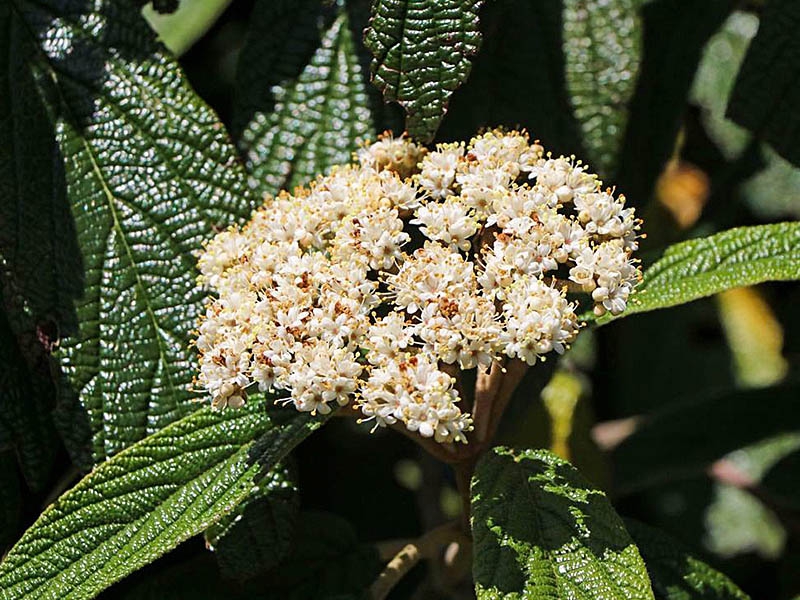
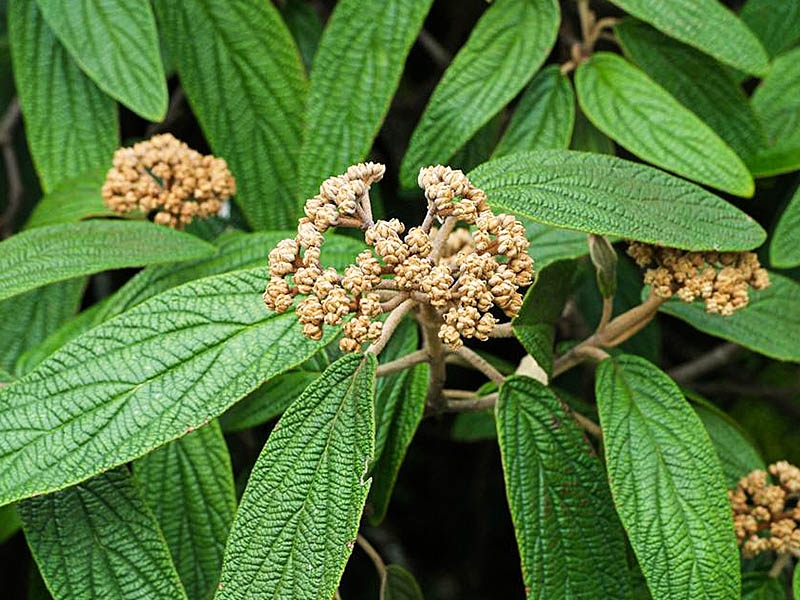
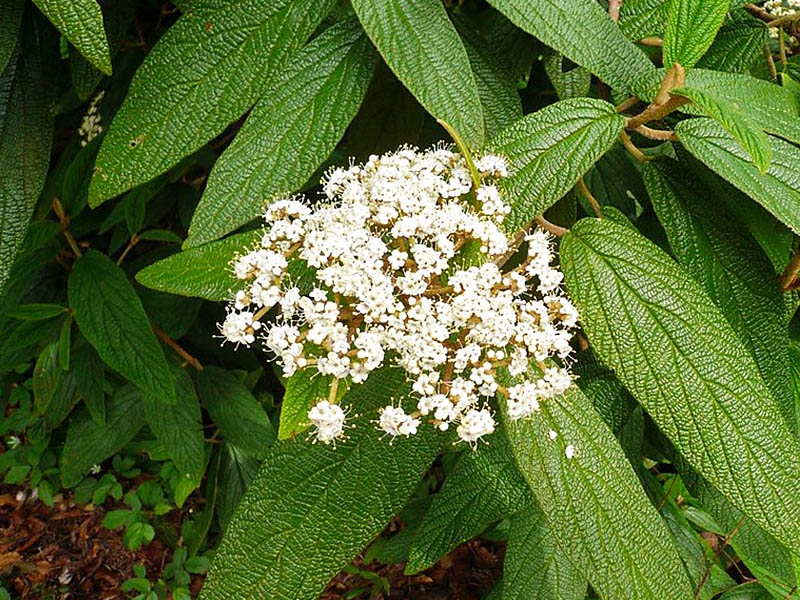
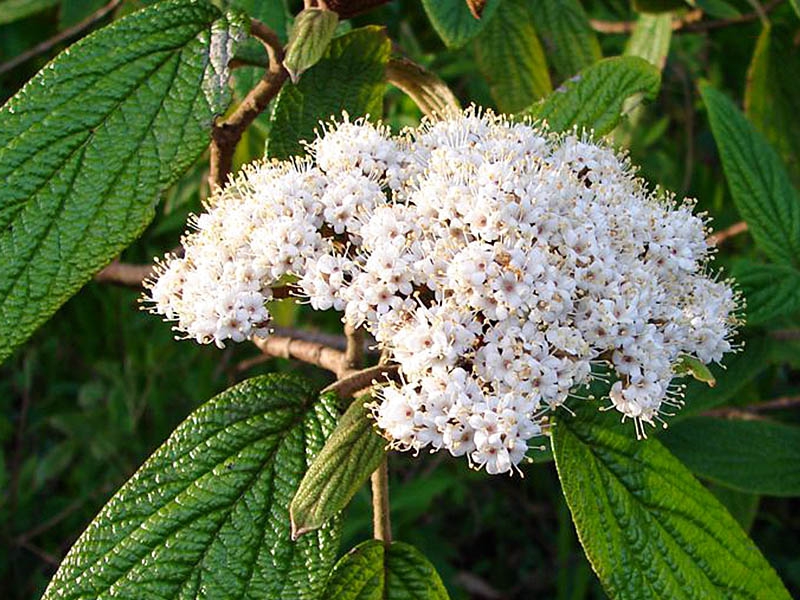
This document explains the growth characteristics, propagation methods, cultivation methods, garden uses, and major pests and diseases, as well as control methods, of Viburnum rhytidophyllum. Growth Characteristics Viburnum rhytidophyllum is an evergreen shrub with thick, wrinkled leaves. The undersides of the leaves are covered with silvery-white hairs, giving it a unique appearance. White flowers bloom in clusters from late spring to early summer, after which the fruit ripens to red and eventually turns black. Propagation MethodsViburnum rhytidophyllum is primarily propagated through cuttings and seeds. Cuttings are taken in the summer using selected semi-hard branches, and the use of rooting agents is effective. Seed propagation is carried out by collecting seeds from mature fruit in the autumn, but due to the low germination rate, cuttings are the more common method. Cultivation Methods This plant prefers fertile, well-drained soil and grows healthily in sunny locations. However, it can grow in partial shade. After initial planting, provide sufficient water, and once the roots have established, ensure the soil near the surface does not dry out. Uses in the GardenThe Japanese quince is widely used as a border tree or background plant in gardens lacking shade. Its lush leaves, flowers, and fruit offer visual appeal, and it maintains its green color throughout the four seasons, creating a natural landscape. Important Pests and Control MethodsWhile the Japanese quince is relatively resistant to pests and diseases, it may occasionally suffer damage from aphids or scale insects. To control this, spray with soapy water or use an appropriate insecticide upon early detection. Since excessive moisture can cause root rot, thorough drainage management is essential. By following these management methods, you can keep the Japanese quince healthy in your garden.
Plant Type
Plant Family
Annual wage excess
Height
1.8~3m
Spread
1.8~3m
Colors
white
Bloom Period
March to August
Water Needs
commonly
Exposure
Sunny
Freezing Resistance
-30°C
Laurel tree
Viburnum tinus
Viburnum 'Tandoori Orange'
Viburnum dilatatum 'Tandoori Orange'