English
한국어
English
Español
中文
हिंदी
Home
News
Community
Dictionary
English
한국어
English
Español
中文
हिंदी
View list
Erimona seaweed
Pallavicinia erimona
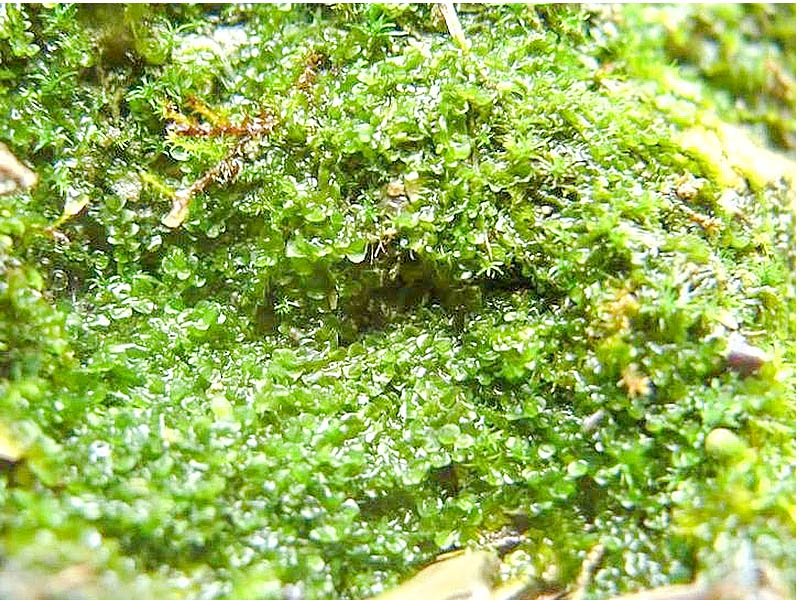
Pallavicinia erimona is a terrestrial fern that thrives primarily in moist environments. The following is information regarding this plant's growth characteristics, propagation methods, cultivation methods, garden uses, major pests and diseases, and control methods. Growth Characteristics - Environment: Pallavicinia erimona grows well in shady, moist areas and prefers soft, moist soil. - Temperature: It prefers mild temperatures and is susceptible to extreme heat or cold. Propagation Methods - Spores: It primarily reproduces via spores. Spores are dispersed by wind and grow in soil with suitable conditions. - Division: It can also be propagated by dividing old sporophytes. Cultivation Methods - Soil Preparation: Cultivate in well-draining, moist soil. - Watering: Water regularly to keep the soil moist. - Light: Avoid direct sunlight; it is best to grow it in a location with indirect light. Use in the Garden - Flowerbeds: Can be placed in moist flowerbeds or shady corners of the garden. - Decoration: Its unique leaf shapes and colors add a decorative touch to the garden. Major Pests and Diseases & Control Methods - Diseases: It is susceptible to diseases primarily caused by fungi. Prevent this by avoiding overwatering and ensuring good ventilation. - Pests: Common pests are relatively rare; however, if aphids or other pests occur, control them using eco-friendly insecticides. Although Erimona (seaweed moss) grows well without special care, considering the points above will help you cultivate it more healthily.
Plant Type
Plant Family
moss family
Height
2~4cm
Spread
Colors
sporophyte
Bloom Period
March to June (spore period)
Water Needs
commonly
Exposure
shade
Freezing Resistance
-10°C
Sea jujube tree
Paliurus ramosissimus
Ginseng Skin Sengue
Panax schinseng