English
한국어
English
Español
中文
हिंदी
Home
News
Community
Dictionary
English
한국어
English
Español
中文
हिंदी
View list
ginseng
Panax ginseng
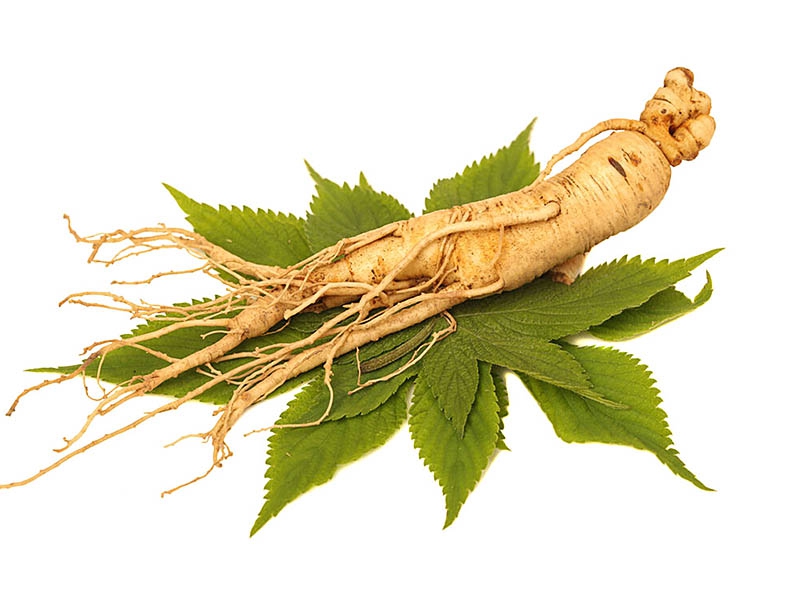
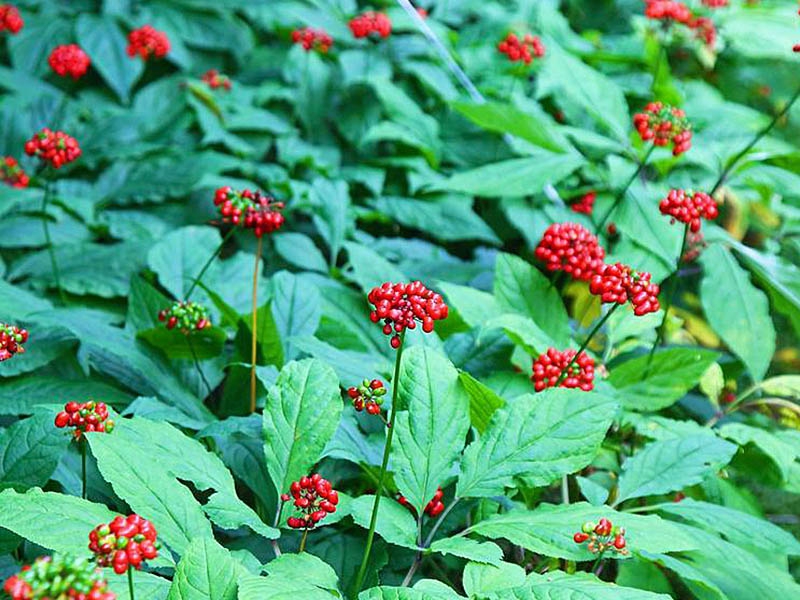
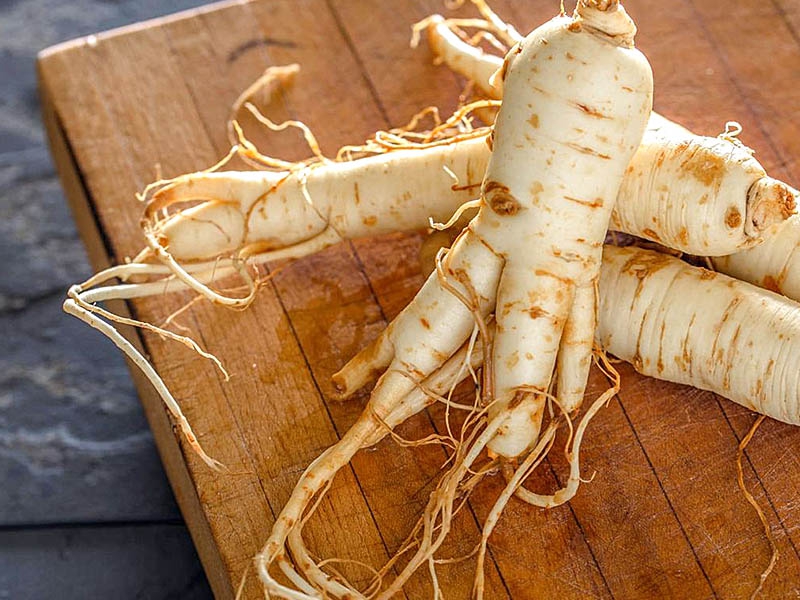
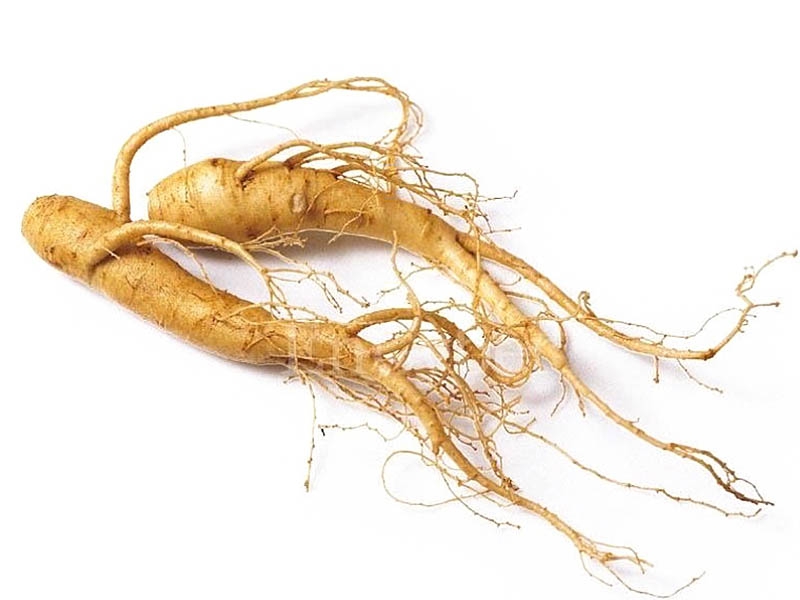
Ginseng (Panax ginseng) is a perennial plant native primarily to the Korean Peninsula and northeastern China, and its roots are widely used as a medicinal ingredient. The following describes the growth characteristics, propagation methods, cultivation methods, garden uses, and major pests and diseases, as well as control methods. Growth Characteristics - Environmental Conditions: Ginseng prefers a cool and humid climate and thrives in partial shade. The plant likes well-drained soil and grows well even in acidic soil. - Growth Cycle: Ginseng can usually be harvested starting from the third year, but its medicinal efficacy is considered to be at its peak in plants aged six years or older. - Appearance: The shape of the root resembles the human body, and the leaves appear as palmately compound leaves. Small flowers bloom in the summer, and red berries form in the autumn. Propagation Methods - Seed Propagation: The most common method of propagation is by seeds. Seeds mature in the summer, are collected in the autumn, and sown the following spring. - Transplanting: Transplanting young seedlings is also a method used. In this case, 2-3 year old seedlings are moved from the existing cultivation site to a new one. Cultivation Method - Soil Preparation: Select a cultivation site with well-drained, nutrient-rich soil. Prepare the soil by thoroughly mixing in compost before planting. - Planting: Sow seeds or transplant seedlings in the spring. Plant seedlings at intervals of 20-30 cm. - Water Management: Water periodically to maintain consistent soil moisture. However, providing a well-drained environment is essential to prevent root rot. - Weed Removal and Management: Weeds around the ginseng should be removed periodically, and proper ventilation between plants is ensured to prevent pests and diseases. Use in Gardens Ginseng is aesthetically beautiful, so planting it in a part of a garden helps enhance natural beauty. Additionally, the medicinal roots can be harvested at home and used to create various health products. Important Pests and Diseases and Control Methods - Pests and Diseases: Ginseng is particularly susceptible to diseases such as leaf blight and root rot. Moisture near the crop must be controlled, and it should be grown in well-drained soil. - Control Methods: - Regularly inspect the crops and use appropriate pesticides if pests or diseases are detected early. - In organic cultivation, pests can be prevented by using naturally derived pesticides or specific herbs. - After pest control, be sure to rinse thoroughly with clean water to maintain plant health. Although ginseng is a crop that is difficult to cultivate, it is receiving significant attention due to its agricultural value and health benefits.
Plant Type
Plant Family
Araliaceae
Height
60cm
Spread
Colors
green
Bloom Period
april
Water Needs
commonly
Exposure
semi-shaded area
Freezing Resistance
-30°C
Ginseng Skin Sengue
Panax schinseng
Samchil Notoginsengg
Panax notoginseng