English
한국어
English
Español
中文
हिंदी
Home
News
Community
Dictionary
English
한국어
English
Español
中文
हिंदी
View list
Mountain poppy
Papaver coreanum
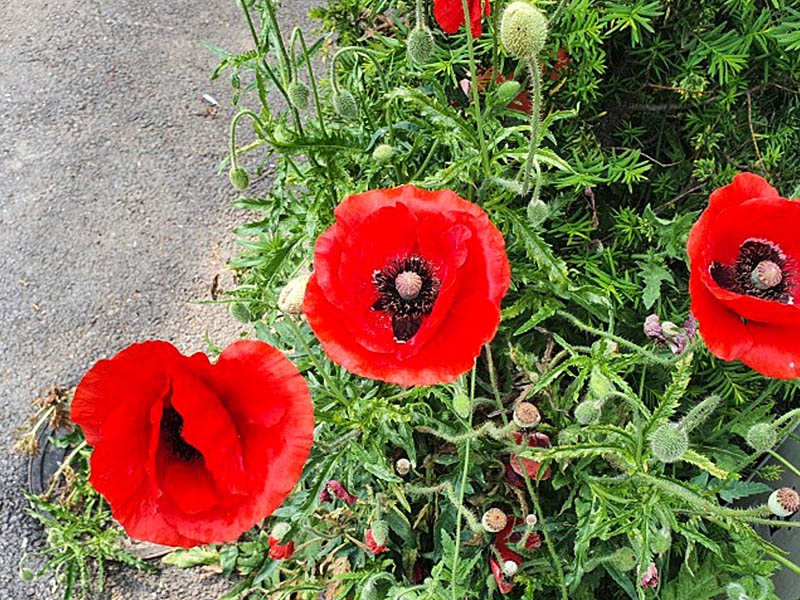
The following is information regarding Papaver rhacicatatum var. disectipetalum: Growth Characteristics Papaver rhacicatatum var. disectipetalum is a plant that primarily grows in mountainous or alpine regions and adapts well to cold climates. It mainly blooms during the summer, and its yellow to orange flowers are attractive. This plant thrives in well-drained soil and sunny locations. Propagation Methods - Seed Propagation: It can be propagated by sowing seeds in spring or autumn. Simply scatter the seeds lightly over the soil and cover them lightly. - Division: There is also a method of propagation by dividing the roots of a mature plant. This is mainly done in the spring. Cultivation Methods - Soil: Well-drained soil is important; if necessary, sand or gravel can be mixed in to improve drainage. - Sunlight: It is best to plant in a sunny location. - Watering: Excessive watering can cause root rot, so it is best to water when the soil is nearly dry. - Fertilizer: Using a small amount of slow-release fertilizer during the growing season is beneficial. Uses in the GardenDue to its unique and beautiful flowers, the Alpine Poppy is excellent for use as an accent plant in the garden. It fits particularly well in rock gardens or alpine gardens and can be arranged harmoniously with other wildflowers. Important Pests and Control Methods - Diseases: Root rot caused by excessive humidity can be a problem. To prevent this, thorough drainage management is essential. - Pests: The plant can be damaged by common garden pests such as aphids or snails. To prevent this, it is recommended to inspect the plant regularly and use appropriate pesticides if any abnormalities are detected. Regular observation and proper care are required for effective cultivation.
Plant Type
Plant Family
poppy family
Height
5~10cm
Spread
Colors
yellow
Bloom Period
July
Water Needs
commonly
Exposure
Sunny
Freezing Resistance
-40°C
poppy
Papaver rhoeas
White poppy
Papaver amurense