English
한국어
English
Español
中文
हिंदी
Home
News
Community
Dictionary
English
한국어
English
Español
中文
हिंदी
View list
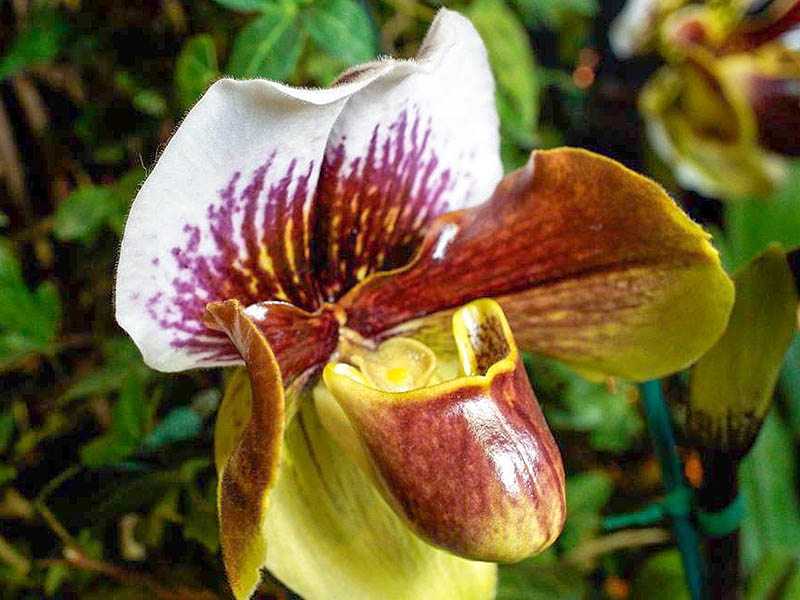
Paphiopedilum hsiniing pakila
Paphiopedilum
Hsinying Pacila
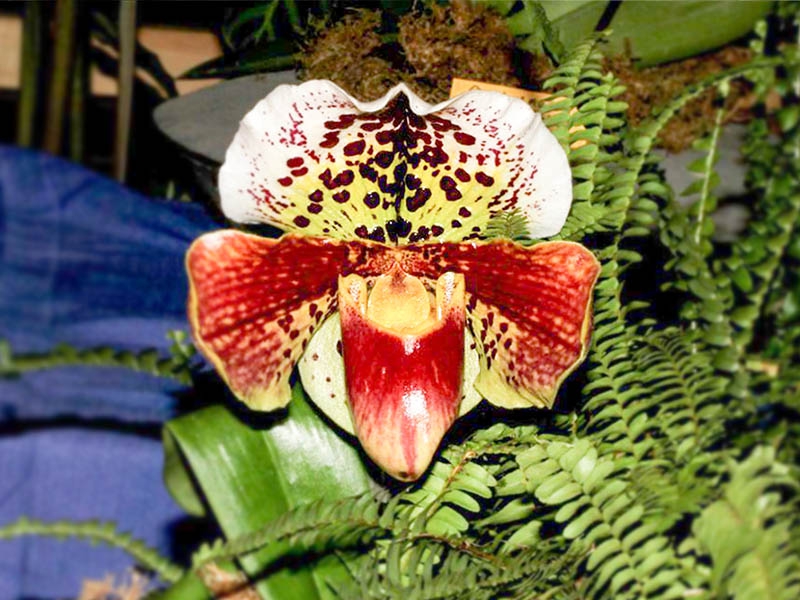
Growth Characteristics Paphiopedilum Hsinying Pacila is a plant belonging to the Orchidaceae family and is also known as the "Sleeper Orchid." It is generally sensitive to temperature and humidity, but grows relatively well if provided with a suitable environment. It is primarily important to maintain warm temperatures and appropriate humidity. Propagation Methods This plant is mainly propagated by division. The best time for propagation is usually spring or autumn, when new shoots are growing vigorously. When dividing, it is best to ensure that each section has at least one root and one leaf. Cultivation Methods - Temperature: Maintain a daytime temperature of 21–29°C and a nighttime temperature of 15–18°C. - Humidity: It is recommended to maintain humidity at 50–70%. Care is required as dry conditions can cause the leaf tips to dry out. - Light: Avoid direct sunlight and provide bright indirect light. If the light is too strong, the leaves will burn. - Watering: Use well-draining potting soil and keep it moist, but be careful not to let water pool. Garden Use Paphiopedilum rhiziniingh Pachila is primarily grown indoors as an ornamental plant. It is more common to grow it in greenhouses or on verandas rather than in outdoor gardens. Important Pests and Control Methods - Diseases: Root rot may occur due to overwatering. Use well-draining potting soil and avoid excessive moisture. - Pests: Scale insects or aphids may occur. If they appear, remove them by spraying with soapy water or using a specialized pest control agent. Paphiopedilum rhiziniingh Pachila is relatively difficult to care for, but it is an attractive plant that produces beautiful flowers if the environment is properly maintained.
Plant Type
Plant Family
Orchid family
Height
15~30cm
Spread
Colors
red, pink
Bloom Period
September to December
Water Needs
commonly
Exposure
semi-shaded area
Freezing Resistance
-5°C
Paphiopedilum 'Hsiniing Bev'
Paphiopedilum 'Hsinying Web'
Paphiopedilum hisutisimum
Paphiopedilum hirsutissimum