English
한국어
English
Español
中文
हिंदी
Home
News
Community
Dictionary
English
한국어
English
Español
中文
हिंदी
View list
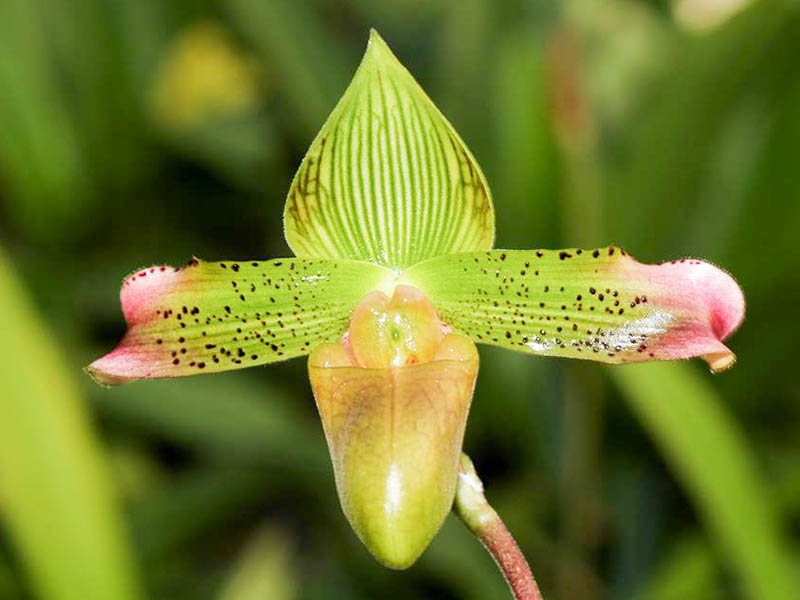
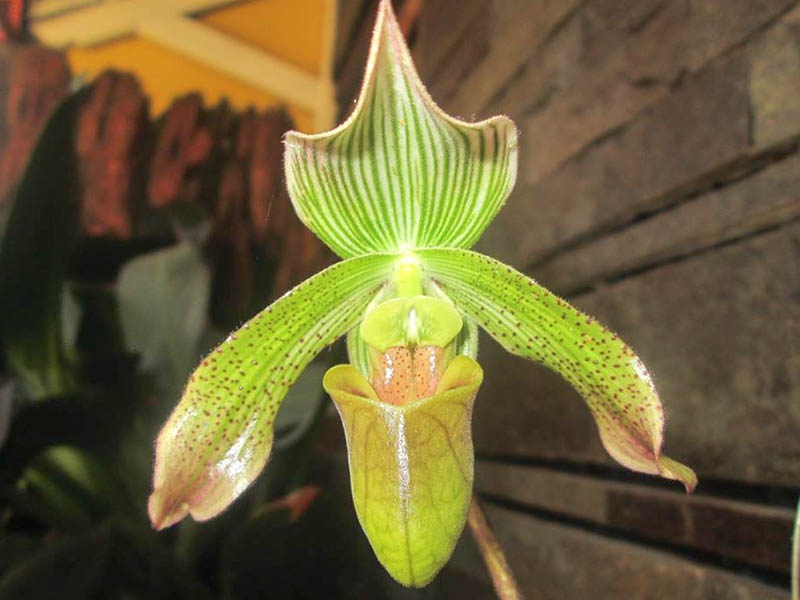
Paphiopedilum dianum
Paphiopedilum dayanum
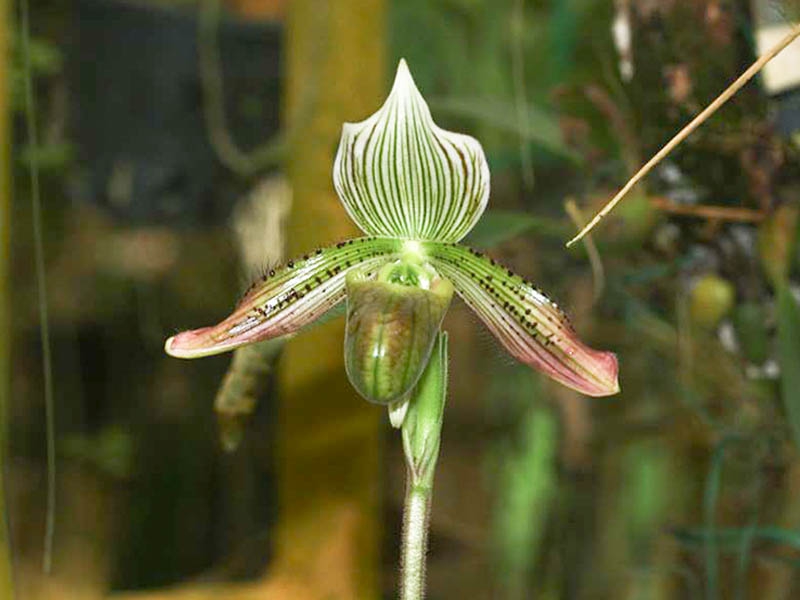
Characteristics and Cultivation Information of Paphiopedilum dayanum - Growth Characteristics: - Paphiopedilum dayanum is an orchid native to the humid environments of the alpine regions of Southeast Asia. - It prefers relatively cool temperatures and thrives at temperatures of around 15–25°C. - It is best to grow it in a location with bright, indirect sunlight, avoiding direct sunlight, while ensuring it receives sufficient light. - Propagation Method: - It is primarily propagated by division. - Select an individual with sufficiently developed roots, divide the roots, and ensure each division has at least three mature leaves. - Cultivation Method: - It is recommended to cultivate it in a well-draining, mineral-based medium. A medium mixed with coconut chips or perlite is suitable. - Water the plant before the soil dries out, but be careful not to overwater. - Fertilize using liquid fertilizer specifically designed for orchids at intervals of 1-2 weeks during spring and summer. - Use in the Garden: - Paphiopedilum dianum is excellent as an ornamental plant to add a special atmosphere. - It is suitable for care in indoor gardens or greenhouses. In outdoor environments, it can be used in areas with good ventilation and high humidity. - Important Pests and Diseases and Control Methods: - Generally, it may be attacked by ants, aphids, snails, etc. - For pest control, it is recommended to remove any damage immediately or use an appropriate insecticide specifically designed for orchids. - Overwatering can cause root rot, so it is important to avoid excessive moisture and maintain a well-ventilated environment. Please refer to the information above to grow Paphiopedilum dianum healthily and enjoy your hobby.
Plant Type
Plant Family
Orchid family
Height
17.5cm
Spread
Colors
White, pink, green
Bloom Period
May to July
Water Needs
commonly
Exposure
semi-shaded area
Freezing Resistance
10°C
Paphiopedilum latamianum
Paphiopedilum Lathamianum
Paphiopedilum sucaculi
Paphiopedilum sukhakulii