English
한국어
English
Español
中文
हिंदी
Home
News
Community
Dictionary
English
한국어
English
Español
中文
हिंदी
View list
Satgatnamul
Paris verticillata
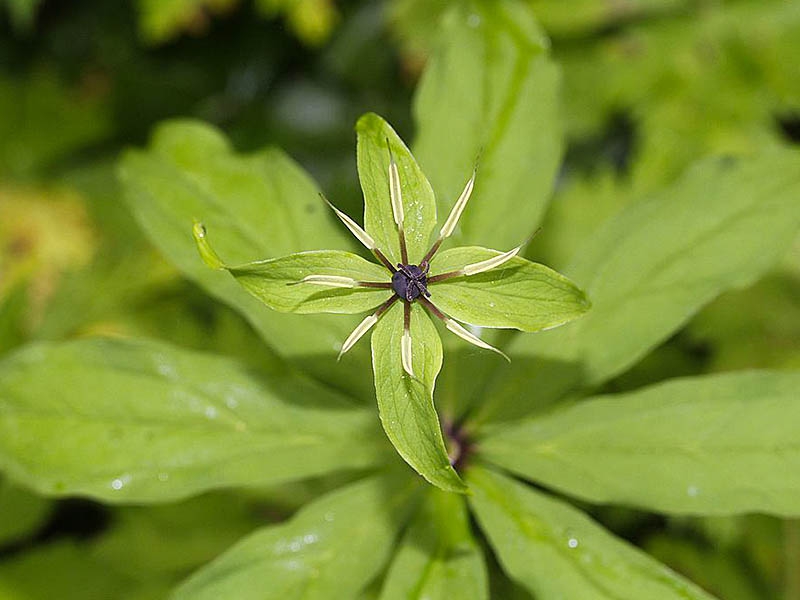
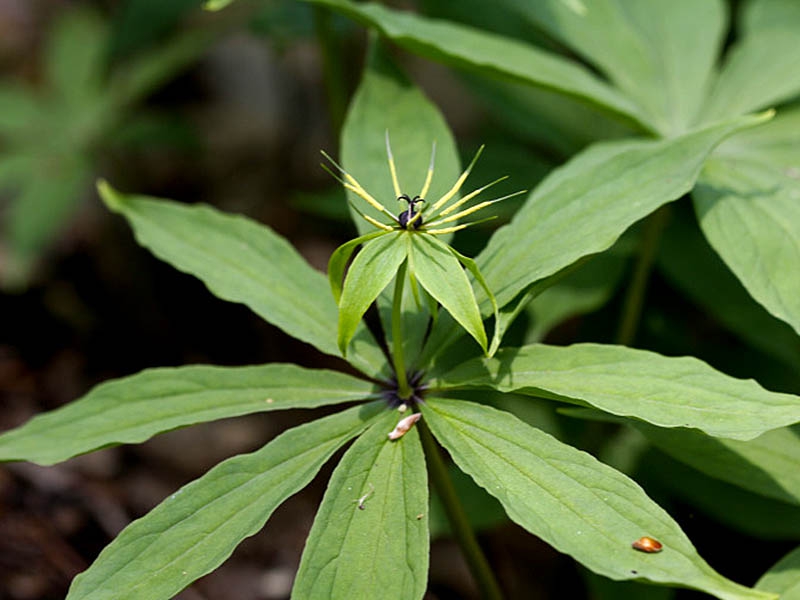
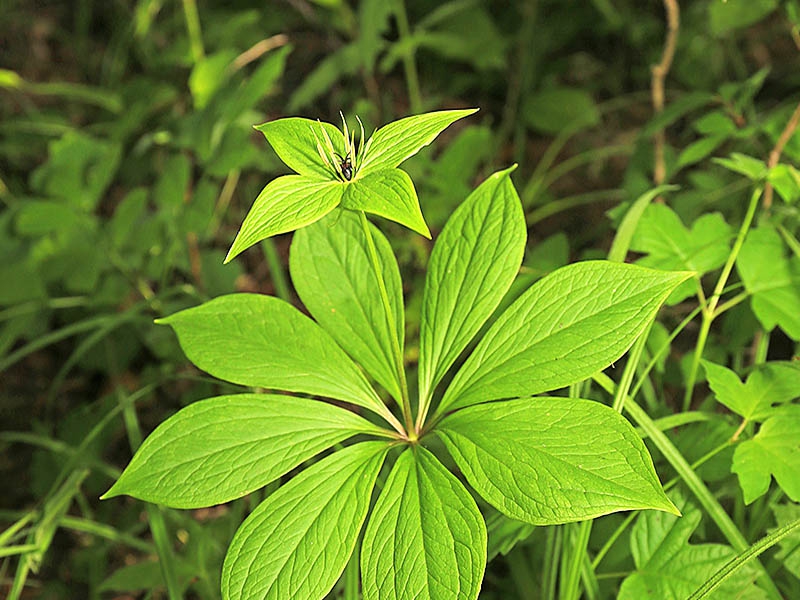
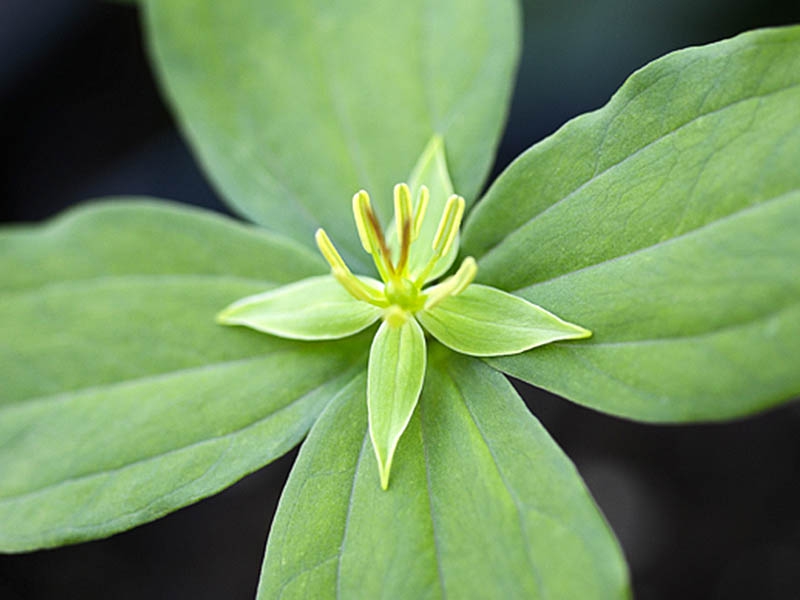
Paris verticillata is a perennial herbaceous plant belonging to the Liliaceae family. Due to its unique leaf arrangement and flower structure, it is widely used as an ornamental plant in gardens. The following is information regarding the growth characteristics, propagation methods, cultivation methods, garden uses, major pests, and control methods of Paris verticillata. Growth Characteristics - Environment: Paris verticillata thrives in partial shade and prefers well-drained soil. It is recommended to maintain moderate moisture. - Height and Shape: It grows to a height of approximately 30 to 60 cm, with multiple leaves arranged in a coiled form. - Flowers and Fruit: It blooms with small, distinctive green to yellow flowers in the summer, and bears fruit that ripens from red to black in the autumn. Propagation Methods - Seed Propagation: Seeds can be collected and sown in the autumn or spring. Since the germination rate is not high, it is recommended to sow a sufficient quantity. - Propagation by Division: It can be propagated by dividing roots or stems. This is mainly done in spring or autumn. Cultivation Methods - Soil Management: Soil rich in humus and with good drainage is suitable. It is recommended to mix in sufficient compost when planting. - Watering: Maintain moderate moisture, but avoid overwatering. It is best to water based on natural rainfall. - Fertilizer Management: Fertilizing once in the spring is sufficient. Uses in the Garden - Due to its unique appearance, the Sargassum (Japanese iris) is suitable as a ground cover or an accent plant in flowerbeds. It provides an attractive landscape, especially when planted in semi-shaded areas. Important Pests and Control Methods - Diseases: Caution is needed regarding root rot caused by excessive moisture. This can be prevented by improving drainage. - Pests: While it is generally not significantly damaged by pests, aphids or butterfly larvae may occur. To prevent this, eco-friendly insecticides can be used, or natural predators can be utilized. With proper care and the creation of a suitable environment, the Verticillata can become an attractive plant in the garden.
Plant Type
Plant Family
Lily family
Height
20~40cm
Spread
Colors
green
Bloom Period
June~July
Water Needs
commonly
Exposure
semi-shaded area
Freezing Resistance
-10°C
dog's mouth trough
Parietaria micrantha
Four-leaf clover
Paris tetraphylla