English
한국어
English
Español
中文
हिंदी
Home
News
Community
Dictionary
English
한국어
English
Español
中文
हिंदी
View list
Water plum blossom
Parnassia palustris
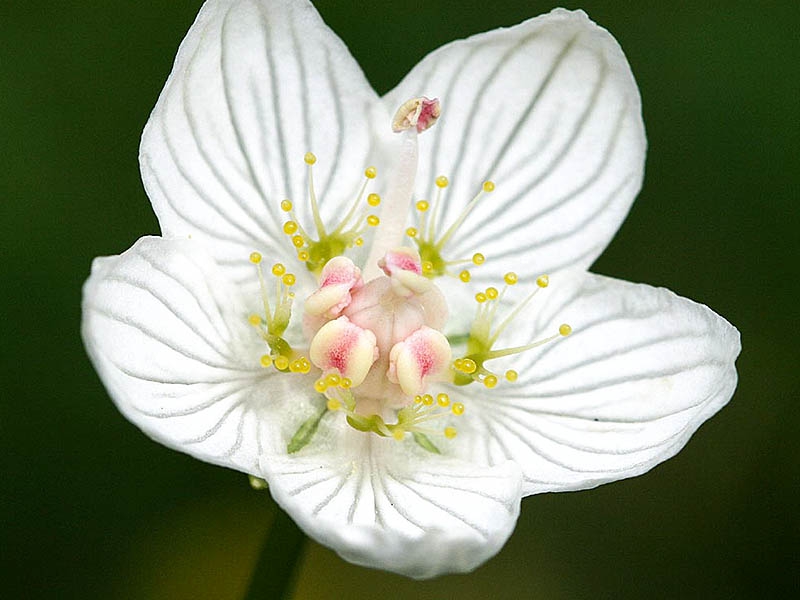
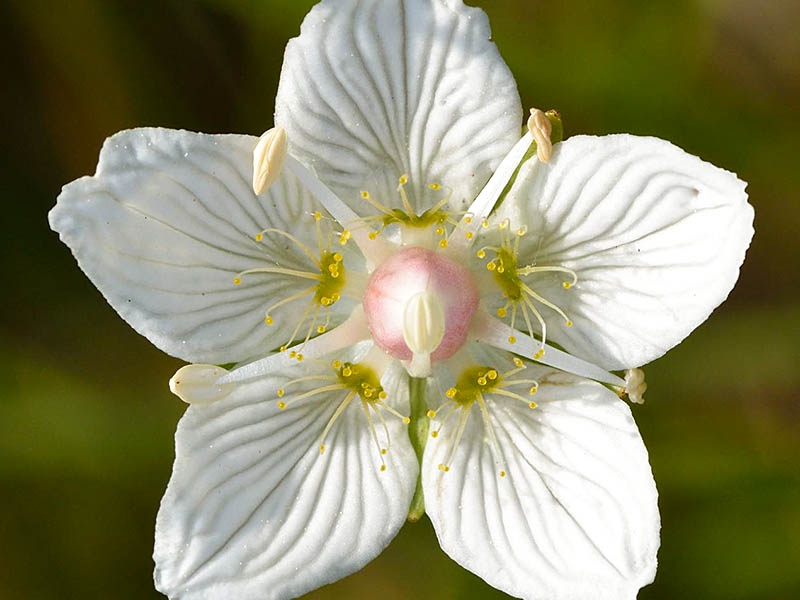
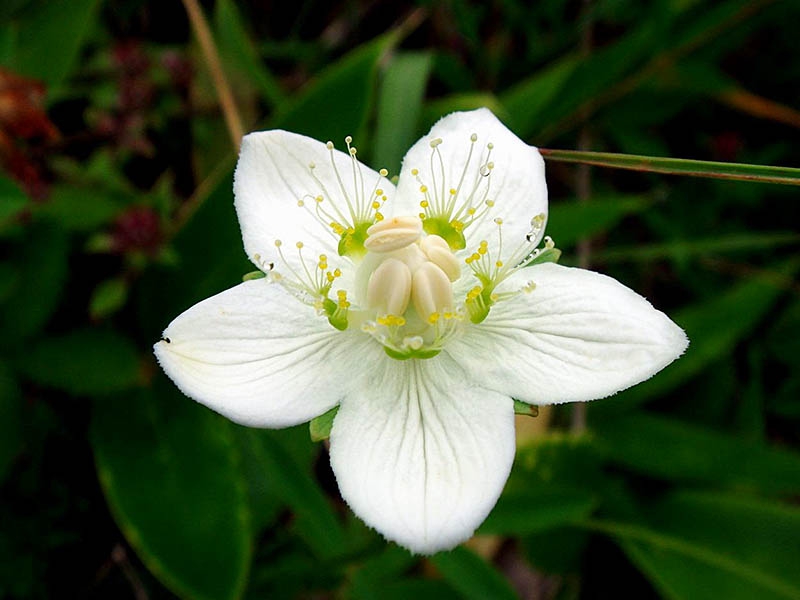
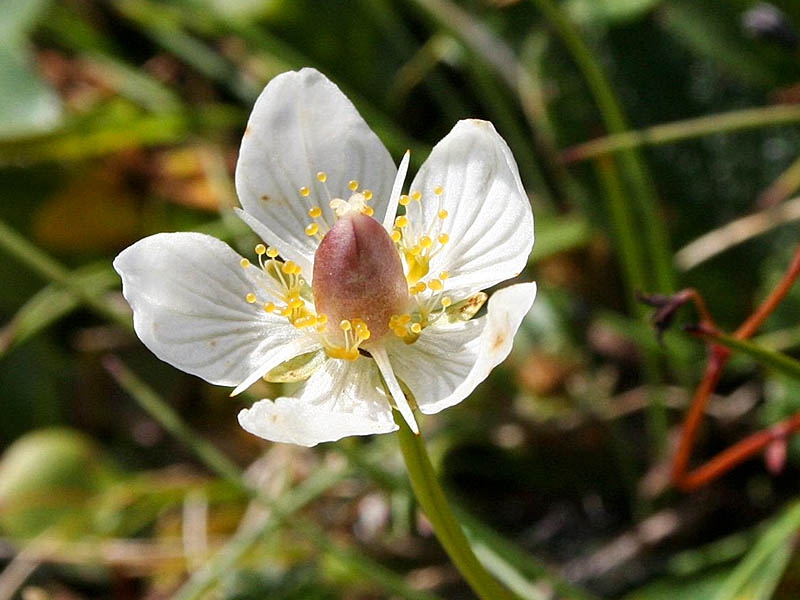
Parnassia palustris is a perennial herbaceous plant native to wetlands, found primarily in temperate and boreal regions of the Northern Hemisphere. The following is information regarding the growth characteristics, propagation methods, cultivation methods, garden uses, and major pests and diseases, as well as control methods. Growth Characteristics - Environment: Parnassia palustris prefers moist areas and thrives near water or in wetlands. - Soil: It grows well in well-drained, organic-rich soil and prefers an acidic to neutral pH. - Sunlight: It can grow in a variety of conditions, ranging from partial shade to full sun. Propagation Methods - Seed Propagation: Parnassia palustris is usually propagated by seeds. Seeds mature in the autumn, and it is best to sow them immediately after collection. - Division Propagation: It can also be propagated by dividing the roots. Simply divide and plant the roots appropriately in the spring or autumn. Cultivation Methods - Sowing: Seeds may require cold stratification. Collect seeds in the autumn, store them in the refrigerator, and sow them in winter or early spring. - Planting: When planting, be careful to prevent the roots from drying out, and plant when the soil is sufficiently moist. - Watering: As it is a wetland plant, it requires a continuous supply of water. Be careful to keep the soil from drying out. Uses in Gardens - Ornamental: Due to its uniquely beautiful flowers, the water plum is popular as an ornamental plant in gardens, especially wetland gardens. - Natural Style Gardens: It is suitable for gardens that mimic natural conditions and is excellent for use as a wildflower. Important Pests and Control Methods - Diseases: It is generally resistant to pests and diseases, but it can contract root rot due to excessive moisture. Pay attention to drainage to ensure good water runoff. - Pests: Pests such as aphids may occur; these can be managed using appropriate pesticides or natural enemies. - Control: When pests or diseases occur, remove them at the early stages or physically eliminate them; in severe cases, use appropriate chemical agents. Water plum blossoms can maintain their beautiful appearance in the garden with proper care and attention in the right environment.
Plant Type
Plant Family
Saxifragaceae
Height
10~40cm
Spread
Colors
white
Bloom Period
July to September
Water Needs
commonly
Exposure
Sunny
Freezing Resistance
-30°C
Plum tree moss tincture
Parmelia tinctorum
small water plum blossom
Parnassia alpicola