English
한국어
English
Español
中文
हिंदी
Home
News
Community
Dictionary
English
한국어
English
Español
中文
हिंदी
View list
Passionflower Coirulea
Passiflora coerulea
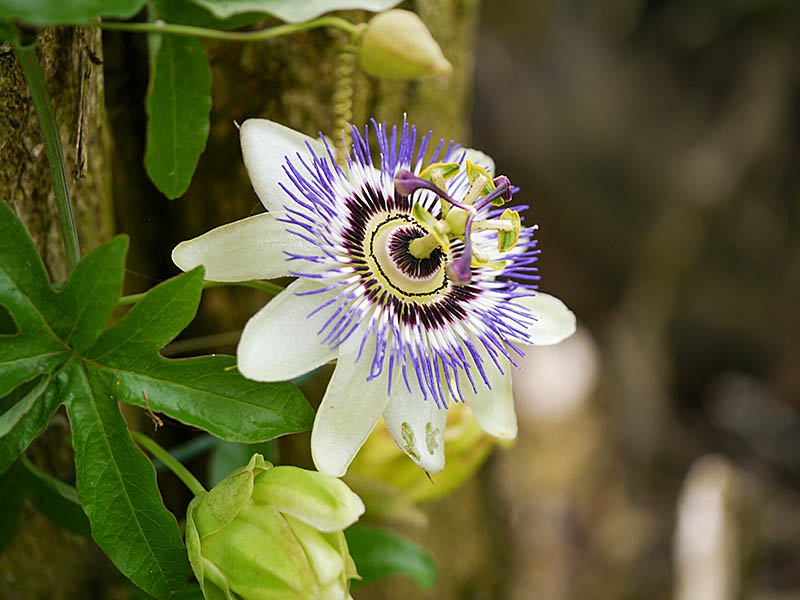
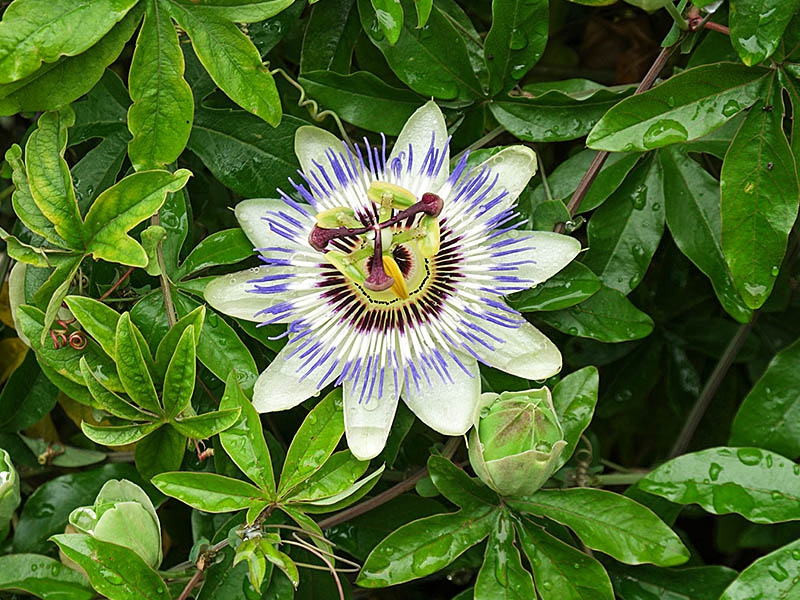
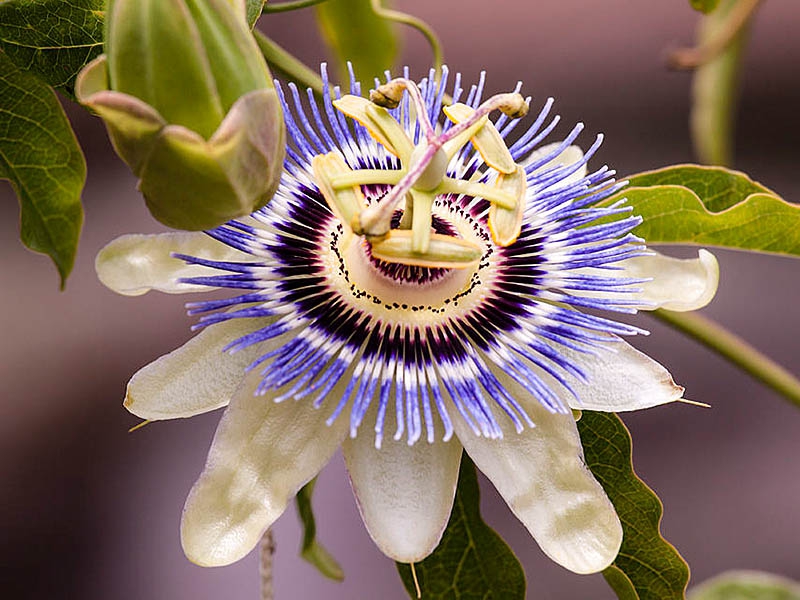
Passiflora coerulea is a vine that thrives in tropical and subtropical climates and is popular in gardens for its beautiful flowers and unique form. The following outlines the growth characteristics, propagation methods, cultivation techniques, garden uses, major pests, and control methods for Passiflora coerulea. Growth Characteristics - Environment: It grows well in sunny locations and prefers well-drained soil. It is somewhat cold-tolerant and can withstand light frost, but it is best to avoid severe cold. - Humidity: It prefers relatively high humidity but can adapt to dry environments. - Watering: Appropriate watering is necessary before the soil dries out, and overwatering should be avoided. Propagation Methods - Seeds: Since germination rates can be low when propagating from seeds, it is recommended to have extra seeds on hand. Germination may take several weeks. - Cuttings: It can be easily propagated by taking cuttings from new shoots during the growing season. Cuttings require maintaining appropriate humidity and temperature to root properly. Cultivation Methods - Support: As a vining plant, the passionflower grows by climbing supports. Provide strong support to ensure healthy growth. - Pruning: Timely pruning maintains the plant's shape and promotes healthy growth. Remove dry and diseased stems during the winter or early spring. - Fertilization: It is recommended to fertilize occasionally during the growing season. Slow-release or organic fertilizers can be used. Uses in the Garden - Decorative Element: Planting it on fences or arches can enhance the decorative effect with its unique appearance and beautiful flowers. - Shade Provision: In some regions, the vines can provide shade, creating an environment where various garden plants can grow together. Important Pests and Control Methods - Diseases: Powdery mildew and gray mold may occur; these can be prevented through proper ventilation and watering management. - Pests: Aphids and scale insects may occur, so it is important to control them early through periodic inspections. - Control Methods: If pests or diseases occur, fungicides or insecticides can be used to control them. However, established guidelines must be followed when using chemicals, and natural control methods may also be considered. With proper care, the Passionflower (Coirulea) is a plant that can grow beautifully in the garden for a long time and bring joy.
Plant Type
Plant Family
Overclock
Height
4m
Spread
Colors
White, red, blue
Bloom Period
July~August
Water Needs
commonly
Exposure
semi-shaded area
Freezing Resistance
-10°C
large sparrow's blood
Paspalum dilatatum
Passionflower Coccinea
Passiflora coccinea