English
한국어
English
Español
中文
हिंदी
Home
News
Community
Dictionary
English
한국어
English
Español
中文
हिंदी
View list
Passionflower 'Anastasia'
Passiflora caerule
'Anastasia'
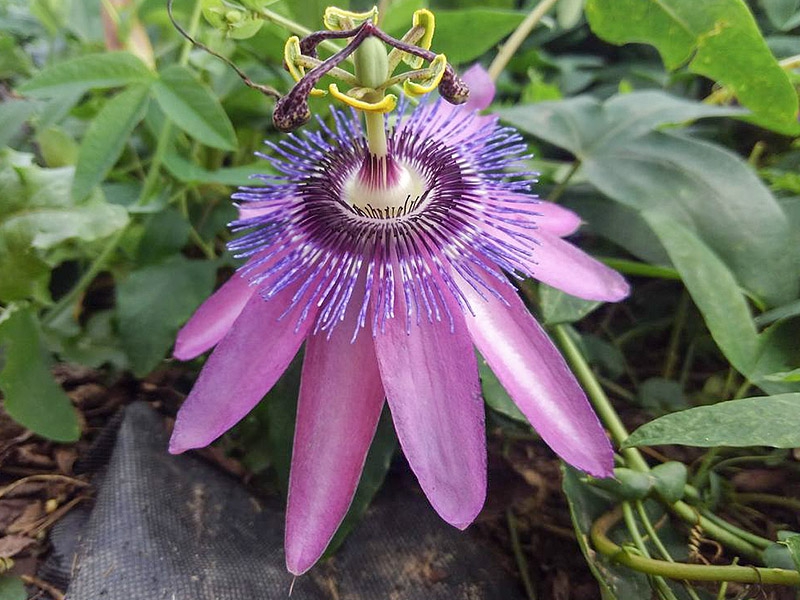
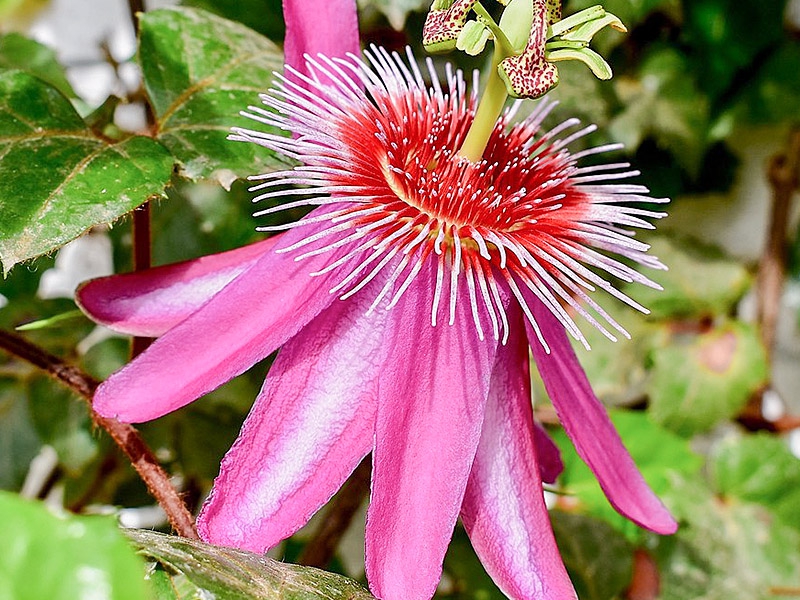
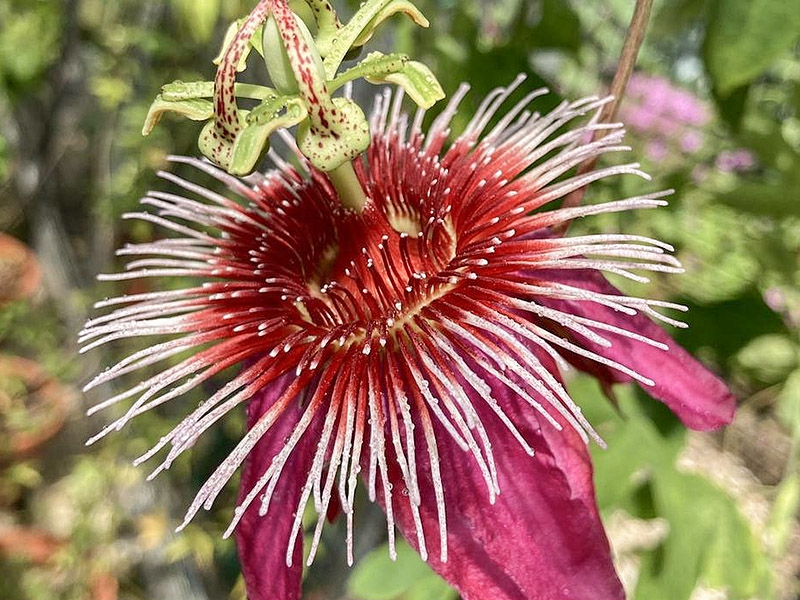
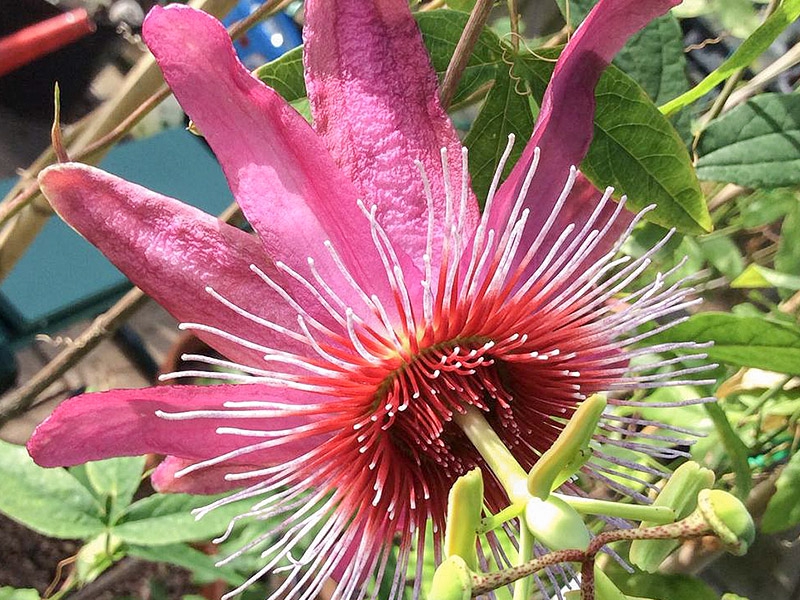
Characteristics and Cultivation Information of Passiflora 'Anastasia' Growth Characteristics Passiflora 'Anastasia' is a perennial vine characterized by its beautiful flowers. It thrives primarily in temperate and subtropical climates and prefers sunlight, growing well in locations with ample sunshine. It can grow up to 3 to 5 meters in height upon maturity. Flowers bloom from early summer to early autumn, typically featuring a combination of purple and white. Propagation Methods Anastasia is primarily propagated by seeds or cuttings. While germination rates may be somewhat low for seeds, warm and humid environments can promote germination. The cutting method, which involves cutting long, healthy branches in the summer and planting them in moist sand or perlite to encourage rooting, has a relatively high success rate. Cultivation Method When cultivating, it is important to ensure well-drained soil and sufficient sunlight. The ideal soil is rich in organic matter and has a pH of slightly acidic to neutral. When watering, be careful to keep the soil from drying out, but avoid excessive moisture. Since it grows quickly, manage the plant through proper pruning and the installation of supports. Garden Use Due to its showy flowers and vine-like form, the Passionflower 'Anastasia' is excellent for use in gardens for arches, hedges, and trellises. It can create a beautiful decorative effect when utilizing space effectively to establish a vertical garden. Major Pests and Diseases and Control Methods Major pests and diseases affecting Passionflowers include aphids, spider mites, and patch disease. Aphids and spider mites can be detected early through regular observation and removed by washing with water or soapy water. In severe cases, commercial pesticides may be used. For patch disease, prevention involves creating a well-ventilated environment and avoiding excessive moisture. If an outbreak occurs, immediately remove the diseased parts and apply appropriate pesticides as needed. Cultivation Method By considering the above points, you can successfully cultivate the passion flower 'Anastasia' and maintain a healthy plant by properly managing pests and diseases.
Plant Type
Plant Family
Passionflower family
Height
60~300cm
Spread
Colors
pink
Bloom Period
May to August
Water Needs
commonly
Exposure
Sunny
Freezing Resistance
-10°C
Passionflower 'Iridescent'
Passiflora caerulea 'Iridescence'
Passionflower Incarnata
Passiflora incarnata