English
한국어
English
Español
中文
हिंदी
Home
News
Community
Dictionary
English
한국어
English
Español
中文
हिंदी
View list
Dolmatari
Patrinia rupestris
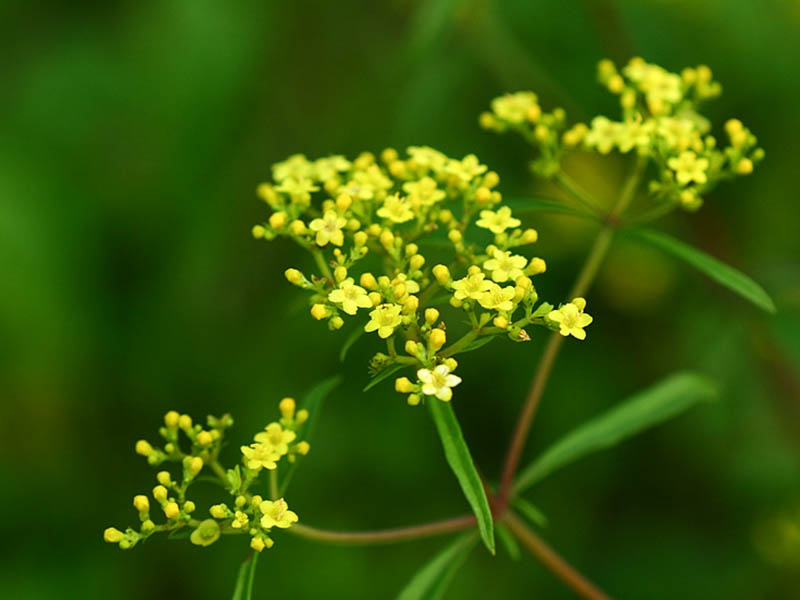
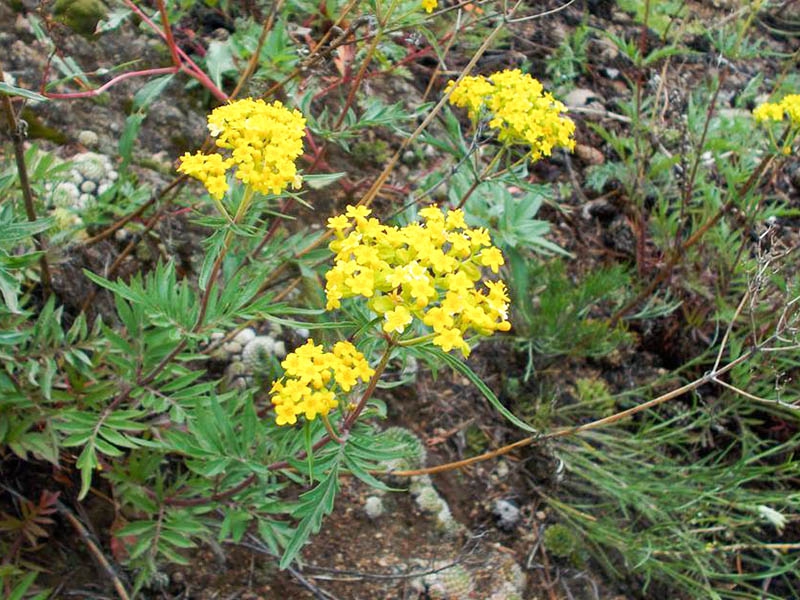
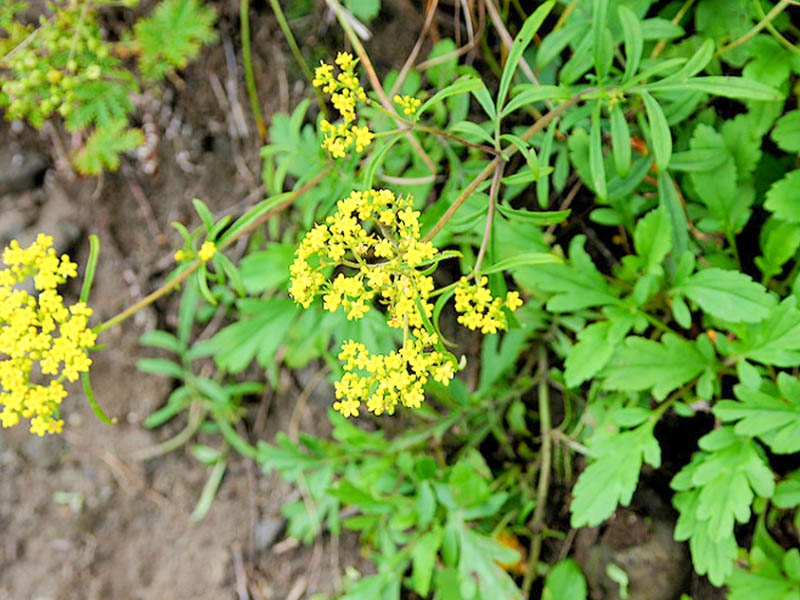
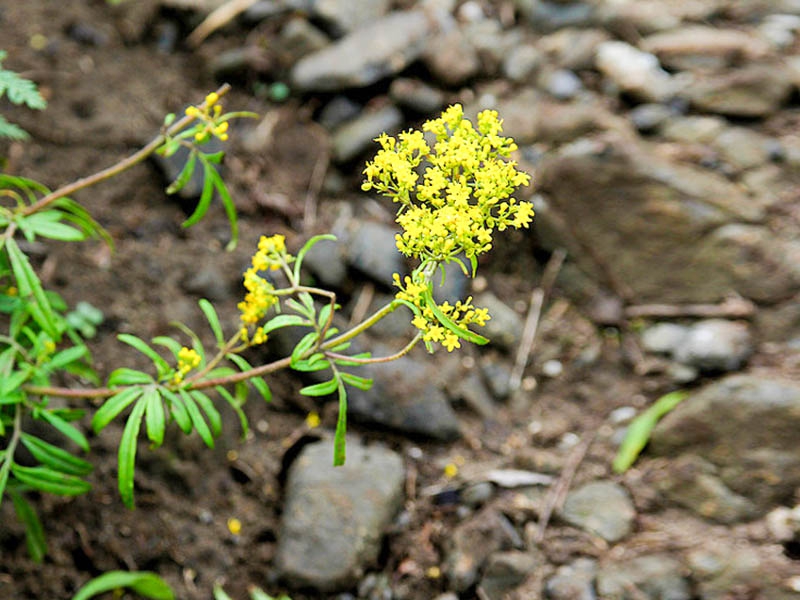
Patrinia rupestris is a perennial herbaceous plant native to the Korean Peninsula. The following describes the plant's growth characteristics, propagation methods, cultivation methods, garden uses, and major pests and diseases, as well as control methods. Growth Characteristics - Environment: Patrinia rupestris thrives in sunny locations but can grow to some extent in partial shade. - Soil: It grows best in well-drained sandy soil, and soil with a pH range between slightly acidic and neutral is ideal. - Watering: Maintaining moisture is important, but overwatering should be avoided. Propagation Methods - Seed Propagation: In its natural state, it primarily propagates by seeds. Collect seeds in the autumn and sow them the following spring. - Division: It can be propagated by dividing root clumps in the spring or autumn. Cultivation Methods - Sowing: Sow seeds in the spring and cover them with about 1 cm of soil. - Care: Regular watering and weed removal are required. It is recommended to apply an appropriate amount of slow-release fertilizer during the early growth stage. Garden Uses - Dolmatari lupestris can be planted among small shrubs to serve as ground cover, and it provides a beautiful landscape when used in rock gardens or on slopes. Important Pests and Control Methods - Diseases: Although generally a hardy plant, it can contract root rot if waterlogged, so it is important to maintain well-drained soil. - Pests: There are no major pests, but aphids may occur rarely. If aphids are observed, control them using soapy water or insecticides. By understanding these characteristics and care methods, you can grow healthy Dolmatari lupestris.
Plant Type
Plant Family
Valerian family
Height
20∼60cm
Spread
Colors
yellow
Bloom Period
July to September
Water Needs
commonly
Exposure
Sunny
Freezing Resistance
-20°C
Goldenrod
Patrinia saniculaefolia
Guarana cupana
Paullinia cupana