English
한국어
English
Español
中文
हिंदी
Home
News
Community
Dictionary
English
한국어
English
Español
中文
हिंदी
View list
Axe cactus aseliformis
Pelecyphora aselliformis
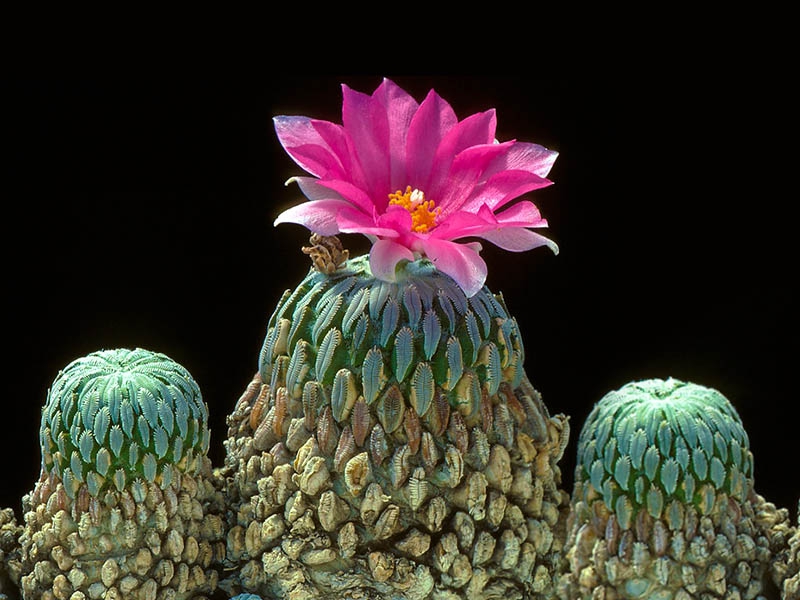
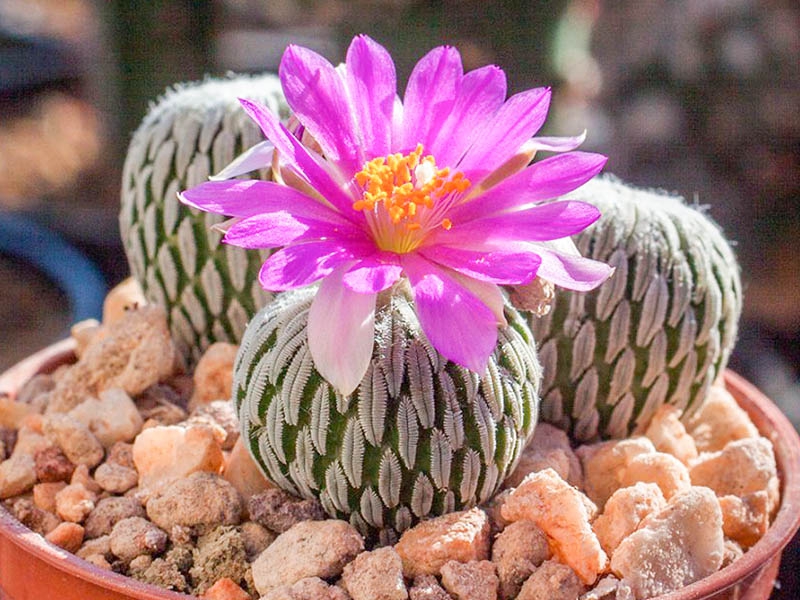
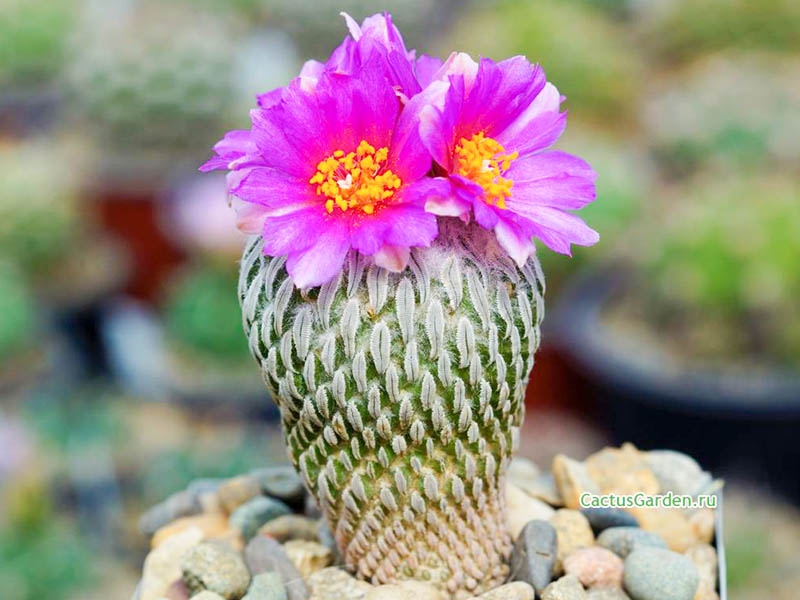
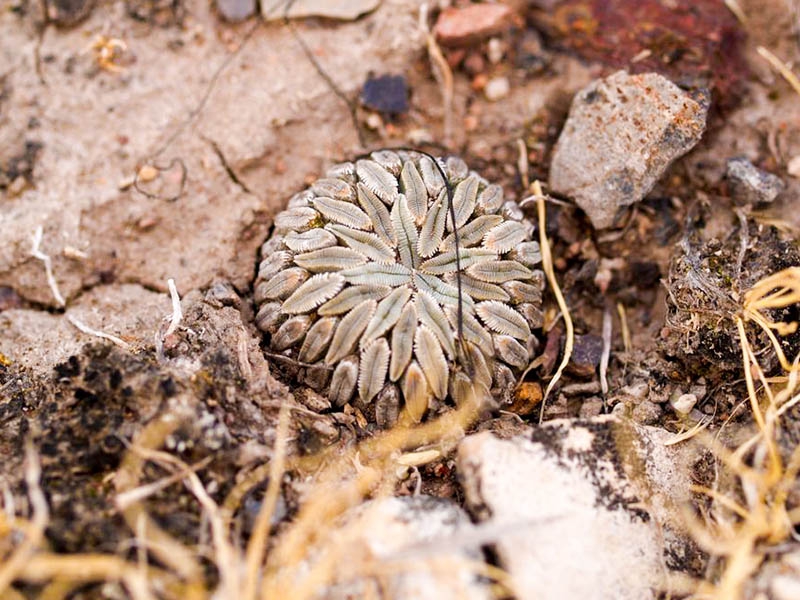
Pelecyphora aselliformis is a cactus gaining popularity for its unique appearance and attractive looks. The following is information regarding this plant's growth characteristics, propagation methods, cultivation techniques, garden uses, and major pests and diseases and control methods. Growth Characteristics - Growth Environment: Pelecyphora aselliformis thrives in warm, dry environments. It likes sunlight, but caution is required as prolonged exposure to direct sunlight can burn the leaves. - Watering: Water should be given periodically, except during the winter, but overwatering should be avoided. Overwatering is more harmful than a lack of moisture. - Soil: It is recommended to plant in well-draining soil specifically designed for cacti. Generally, soil mixed with sand and gravel is suitable. Propagation Methods - Seed Propagation: Pelecyphora aselliformis is primarily propagated by seeds. It is recommended to attempt germination in a high-temperature environment during the spring. - Propagation by Cuttings: Although the success rate is lower compared to seeds, you can propagate the plant by cutting a stem and taking cuttings. Cultivation Methods - Temperature Management: It is recommended to maintain a temperature of 10 degrees Celsius or higher during the winter. Prolonged exposure to low temperatures can cause damage. - Ventilation: When growing indoors, sufficient ventilation is necessary. Excessively high humidity can lead to problems such as mold. - Fertilizer: During the growing season, it is recommended to use diluted fertilizer specifically designed for cacti. It is advisable not to fertilize during the winter. Use in the Garden While the Axe Cactus is primarily grown in indoor pots, it can also be cultivated in outdoor gardens in warmer regions. Its unique form stands out when placed in a cactus garden or rock garden. Important Pests and Control Methods - Diseases: Fungal diseases can occur due to excessive moisture or poor ventilation. This can be prevented by paying attention to drainage and creating a suitable environment. - Pests: Pests such as aphids or scale insects may infest the plant. To prevent this, it is necessary to use appropriate pesticides or physically remove them. - General Care: To minimize pests and diseases, you must inspect the plant regularly and detect and treat problems early. Based on this information, if you provide the appropriate environment and care methods, you can grow a healthy Axe Cactus aselliformis.
Plant Type
Plant Family
Cactus and
Height
5~10cm
Spread
2~5cm
Colors
purple
Bloom Period
April to June
Water Needs
Bad
Exposure
semi-shaded area
Freezing Resistance
-10°C
Precision Cactus
Pelecyphora pseudopetinata
Pelraia rotundifolia
Pellaea rotundifolia