English
한국어
English
Español
中文
हिंदी
Home
News
Community
Dictionary
English
한국어
English
Español
中文
हिंदी
View list
Sukryeong
Pennisetum alopecuroides
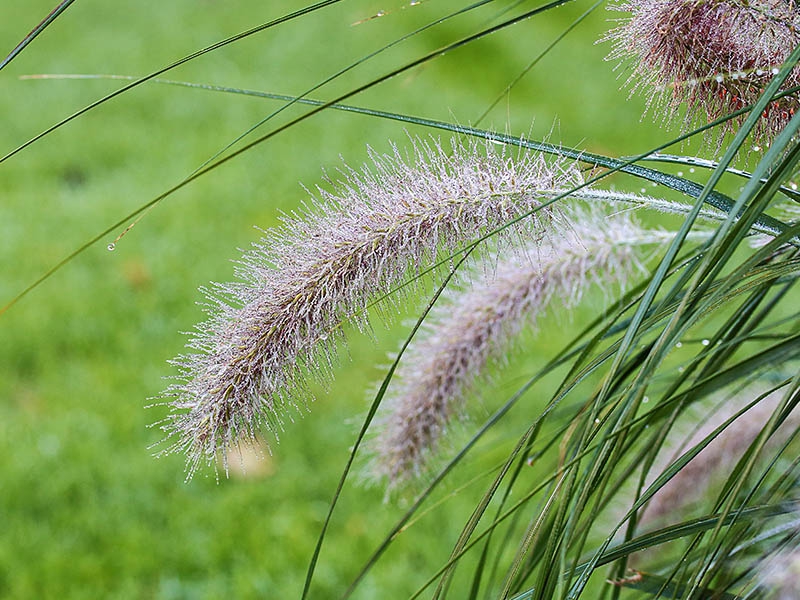
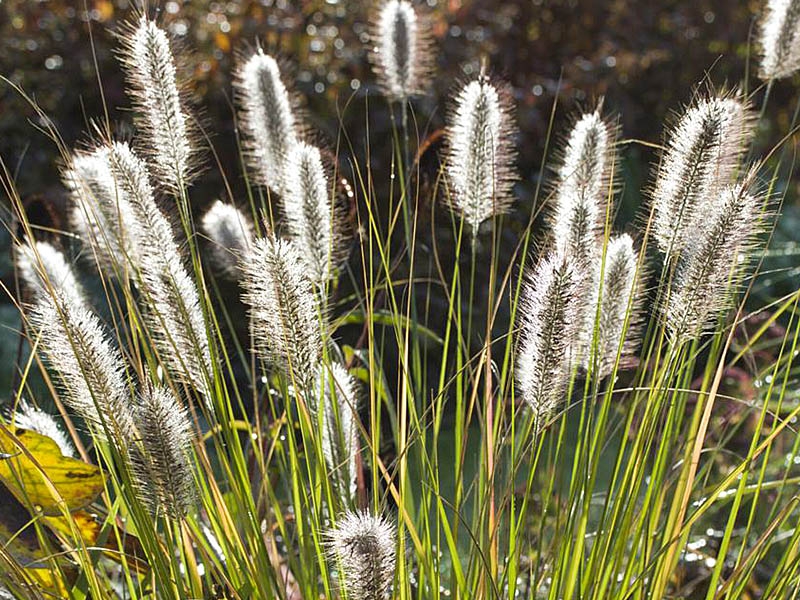
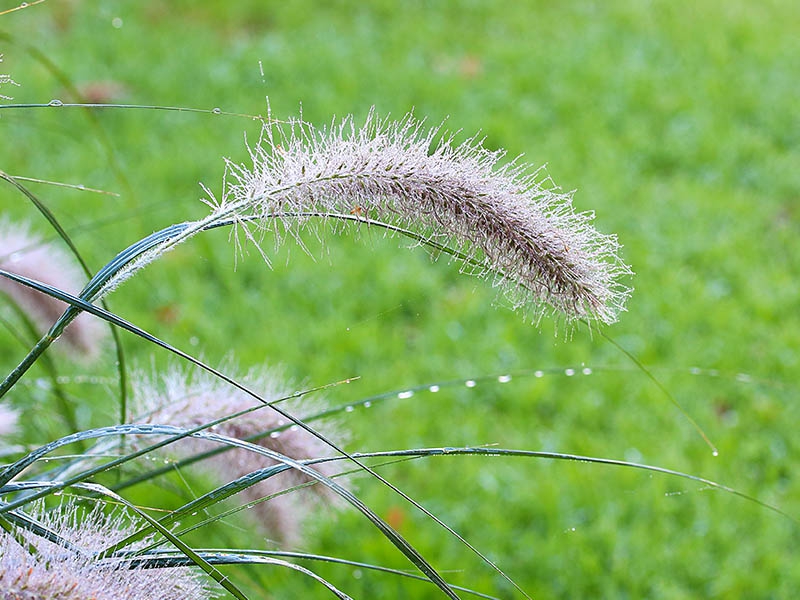
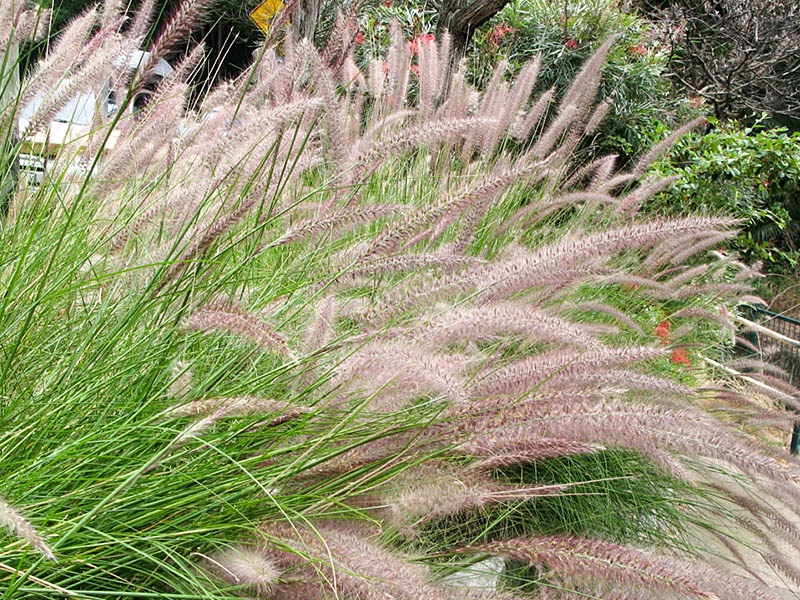
Pennisetum alopecuroides is a perennial herbaceous plant that grows widely in East Asia, including Korea. The following is information regarding the growth characteristics, propagation methods, cultivation methods, garden uses, and important pests and diseases and control methods of Pennisetum alopecuroides. Growth Characteristics - Morphological Characteristics: Pennisetum grows to a height of approximately 60 to 150 cm. Its leaves are long, slender, and pointed at the tips. It is popular as an ornamental plant because it forms showy flower spikes in the autumn. - Environmental Requirements: It prefers sunny locations and well-drained soil. While it is highly adaptable to various environments, growth may be poor in moist soil. Propagation Methods - Seed Propagation: Seeds can be sown directly in spring or early summer, or grown from seedlings and planted. Sow seeds shallowly and water thoroughly to promote germination. - Division Propagation: This method involves propagating mature plants by dividing them by the roots. You can divide the plants in spring or autumn and plant them in a new location. Cultivation Methods - Planting: Plant in a sunny location and space plants appropriately to promote vigorous growth and air circulation. - Watering: Water frequently during the initial planting stage, but once the plant begins to grow well, it is quite drought-tolerant. - Fertilizer: Generally, fertilizer is not necessary, but a small amount of slow-release fertilizer can be added in the spring for healthier growth. Uses in the Garden Sedum is widely used as an ornamental plant in gardens due to its showy flower spikes. It is particularly popular in landscape gardens and flower gardens, adding beauty to autumn gardens. It is also suitable as a boundary plant because of its strong grip and resistance to wind. Important Pests and Control Methods - Diseases: It is relatively resistant to diseases, but root rot may occur if the soil is excessively wet. - Control: Ensure good drainage and avoid overwatering. - Pests: Pest occurrences are rare, but it may be attacked by leaf rollers or aphids. - Pest Control: If pests occur, physically remove them by spraying with water or soapy water, or use an appropriate insecticide as needed. Miscanthus is relatively easy to care for, making it a suitable plant for gardening beginners. It is especially recommended for those who desire a landscape that blends well with nature.
Plant Type
Plant Family
Poaceae
Height
30~80cm
Spread
Colors
purple
Bloom Period
August~September
Water Needs
commonly
Exposure
Sunny
Freezing Resistance
-15°C
Sukryeong 'Rubrum Dwarf'
Pennisetum setaceum 'Rubrum Dwarf'
I also have foxtail grass
Cenchrus latifolius